


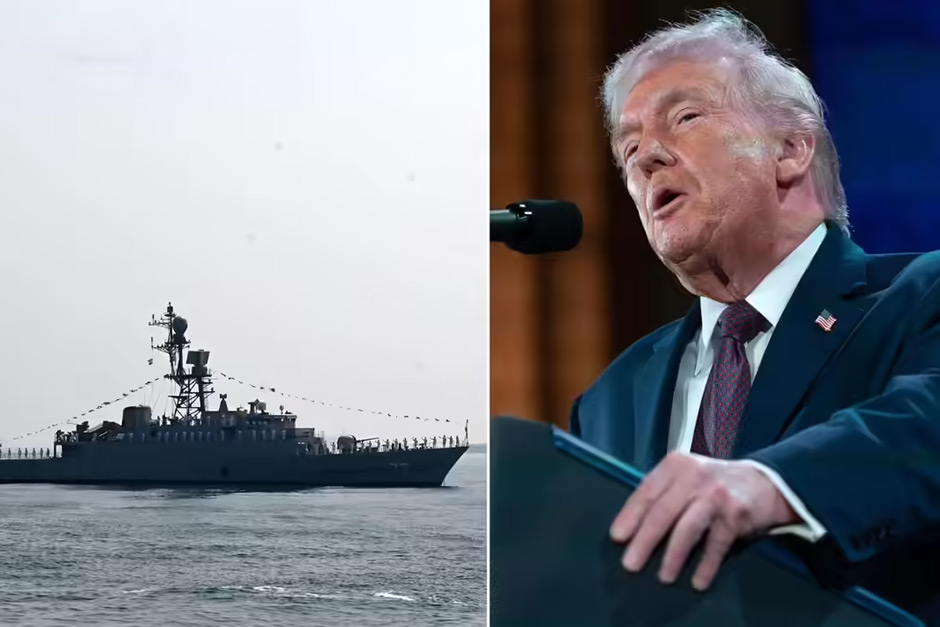
The global geopolitical landscape has seen a significant shift as the United States initiates measures to block access to Iranian ports and a segment of the crucial Strait of Hormuz. This development follows a period of intense diplomatic engagement that ultimately failed to yield a resolution, pushing the situation into a new phase of economic pressure and heightened regional tension.
Understanding the New Maritime Restrictions
The announced actions signal a substantial tightening of restrictions on Iran’s maritime activities. By targeting Iranian ports, the United States aims to severely impede the country’s ability to conduct international trade, particularly its vital oil exports. This involves denying entry to vessels bound for or originating from Iranian ports, as well as implementing strict enforcement mechanisms to deter commercial shipping from engaging with Iran.
Furthermore, the decision to block parts of the Strait of Hormuz carries immense strategic weight. This narrow waterway is a choke point through which a significant portion of the world’s seaborne oil passes daily. While not a full closure of the entire strait, the selective blocking measures are designed to specifically impact shipping linked to Iran, further isolating its economy. The implementation of such measures is expected to create complexities for international maritime traffic, requiring careful navigation by shipping companies and a close watch on potential disruptions to global supply chains.
The Aftermath of Unsuccessful Negotiations
This escalation comes directly as a consequence of diplomatic talks breaking down. For an extended period, various international parties engaged in efforts to de-escalate tensions and find common ground on a range of contentious issues. However, despite persistent efforts, these discussions reportedly reached an impasse, leading to the conclusion that further negotiation would not yield the desired outcomes. The US administration views these new maritime restrictions as a necessary step to exert pressure and compel a change in behavior, given the perceived failure of diplomatic avenues.
The inability to bridge divides through dialogue underscores the deep-seated disagreements between the parties. The move to economic and logistical pressure tactics reflects a shift in strategy, signaling a determination to achieve objectives through alternative means when diplomacy falters. “This move significantly raises the stakes in an already volatile region,” commented Dr. Anya Sharma, a geopolitical analyst. “While designed to exert pressure, it also carries the inherent risk of further destabilization, potentially impacting global energy markets and regional security dynamics.”
Potential Ramifications and Forward Outlook
The immediate implications of these blockades are multifaceted. For Iran, the economic impact could be severe, further straining its national economy and potentially leading to internal challenges. Globally, the restrictions on a major oil producer and exporter, coupled with actions in a critical shipping lane like the Strait of Hormuz, could introduce volatility into global oil prices and create anxieties around energy security. Neighboring countries and international maritime players are likely to closely monitor developments, assessing the potential for broader regional instability.
As this situation unfolds, the international community will be keenly observing the effectiveness of these new pressures and any potential responses from the affected parties. The current trajectory suggests a period of heightened vigilance and complex geopolitical maneuvering, with the long-term consequences yet to be fully realized.

