


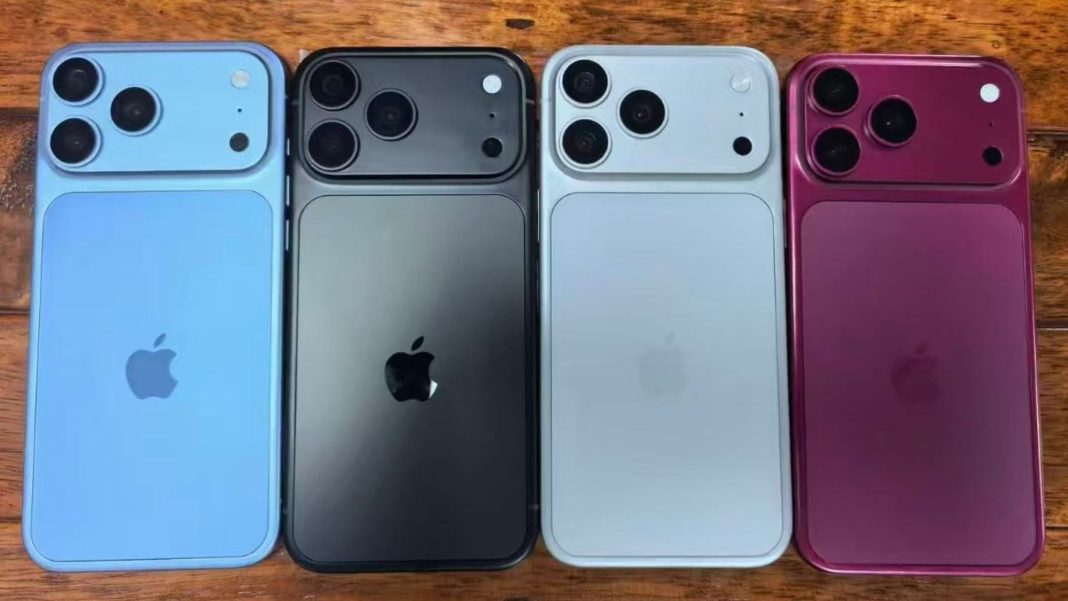
In the fiercely competitive world of smartphones, where innovation often walks a tightrope with imitation, certain trends emerge with a clarity that transcends brand loyalties. Apple, with its meticulous attention to design and a knack for setting industry benchmarks, frequently finds itself at the forefront of these shifts. While the Cupertino giant’s hardware and software innovations garner significant attention, it’s often the subtler design choices – particularly color palettes and material finishes – that ripple across the entire ecosystem, profoundly influencing its Android counterparts. It appears Apple may have just unveiled the next major aesthetic wave, potentially kicking off a significant color and finish trend for Android devices.
The Echo Chamber: Apple’s Enduring Design Influence
For years, the smartphone industry has observed a predictable pattern: Apple introduces a design element, and within months, its essence begins to appear across various Android flagships and even mid-range offerings. From the infamous “notch” and subsequently the “Dynamic Island” to the camera bump’s evolving aesthetics, Apple’s design decisions often become industry talking points, eventually inspiring, if not directly influencing, Android manufacturers.
Color, too, plays a crucial role in this dynamic. Remember the widespread adoption of “Rose Gold” after its iPhone debut, or the muted elegance of “Midnight Green” that swiftly found its way into several premium Android devices? These weren’t mere coincidences; they were reflections of Apple’s powerful trendsetting capability. In a market as diverse and price-sensitive as India, where visual appeal often heavily sways consumer purchasing decisions, these trends are amplified. Indian consumers are discerning, constantly seeking a blend of aspirational design and practical value, making brands keenly aware of prevailing aesthetic preferences.
This cycle isn’t about outright copying but rather about the inherent market pressure to offer what consumers perceive as modern and desirable. When Apple introduces a fresh hue or a novel material finish, it often signals a shift in premium aesthetics, prompting Android brands to re-evaluate their own design strategies to stay competitive.
The New Aesthetic: Titanium’s Allure and Beyond
The recent introduction of the iPhone 15 Pro series, particularly its “Natural Titanium” finish, stands out as a prime candidate for this next trend. Moving beyond traditional polished steel or aluminium, titanium offers a unique blend of strength, lightness, and a sophisticated, brushed metallic aesthetic. The “Natural Titanium” isn’t merely a color; it’s a finish that speaks to durability, engineering prowess, and understated luxury. This muted, almost raw metallic look contrasts sharply with the vibrant, glossy finishes that have dominated smartphone design in recent years.
The appeal of this particular finish is multifaceted. It exudes a premium feel without being ostentatious, a characteristic that resonates well with a segment of the Indian market that appreciates subtle luxury. Its matte texture also provides better grip and resistance to fingerprints, addressing practical concerns. Beyond titanium, Apple’s other new colors – whether the deep blues, vibrant greens, or soft pinks seen in their standard models – also possess a distinct saturation and tone that could very well inspire a fresh palette across the Android landscape.
“Apple’s strategic adoption of ‘Natural Titanium’ isn’t just about a new material; it’s a statement about evolving premium aesthetics,” notes Dr. Rohan Mehta, a lead tech analyst at BrandSense Research. “This subtle, industrial-chic look is likely to redefine what consumers perceive as ‘high-end’ in smartphone design. Android manufacturers, particularly those in the premium segment like Samsung, OnePlus, and even Xiaomi, will undoubtedly be exploring similar finishes and muted color palettes to capture this emerging preference. It’s about adapting the aspiration, not just the material.”
What This Means for Android in India
For Android manufacturers, especially those vying for market share in India’s competitive landscape, this Apple-led shift presents both a challenge and an opportunity. We can expect to see a surge in devices boasting metallic, brushed, or matte finishes, perhaps even incorporating more exotic materials or advanced coating technologies to emulate the titanium aesthetic. Brands might also pivot towards more subdued, earthy, or pastel tones, moving away from the loud, gradient designs that have been popular.
This doesn’t necessarily mean direct replication. Android brands are known for taking inspiration and then innovating upon it, offering their own interpretations. We might see Samsung’s Ultra series adopting more refined metallic frames, or OnePlus experimenting with sophisticated matte glass backs in new, desaturated hues. Even Indian original equipment manufacturers (OEMs) or brands popular in the budget segment could introduce similar finishes using polycarbonate or other materials, translating the premium aesthetic to a more accessible price point.
Ultimately, Apple’s latest design choices serve as a potent indicator of shifting consumer preferences. As smartphone designs mature, the emphasis is increasingly moving towards sophisticated materials, ergonomic comfort, and nuanced color palettes. The “Natural Titanium” finish, and the broader shift towards understated elegance, suggests a fascinating new chapter in smartphone aesthetics, one that Android brands in India and globally will undoubtedly contribute to, shaping the devices consumers carry in their pockets for years to come.

