


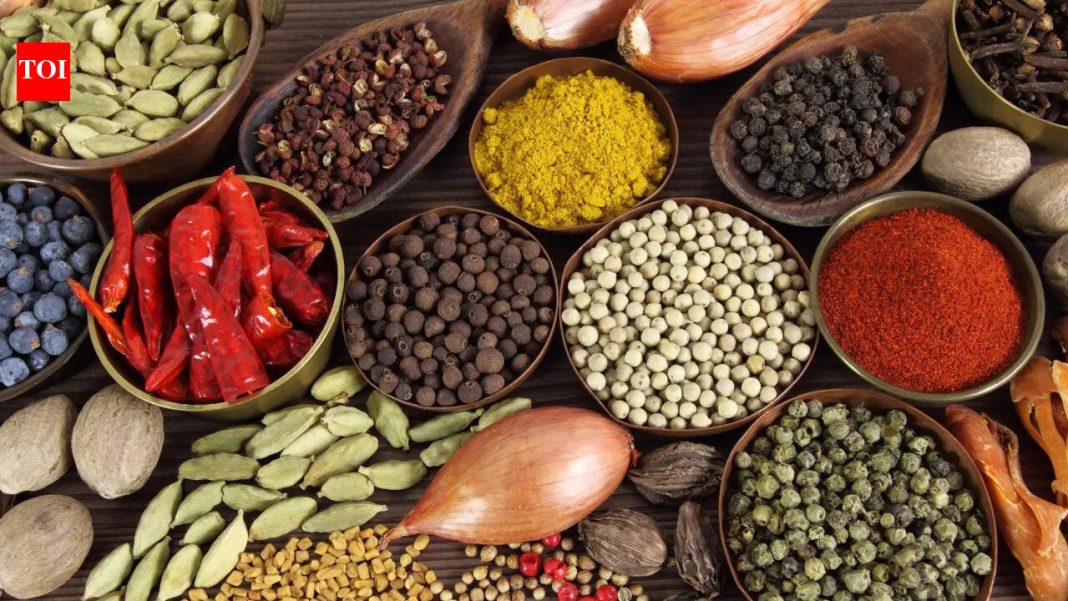
The aroma of roasted cumin, the warm embrace of cinnamon, the golden hue of turmeric – these are not just sensory delights but the very soul of Indian kitchens. For centuries, spices have been indispensable to our culinary landscape, revered for their ability to transform simple ingredients into masterpieces of flavour. Beyond their gastronomic appeal, however, lies a profound truth: these everyday treasures are potent allies in safeguarding our gut, enhancing brain function, and optimising metabolic health. It’s a synergy of ancient wisdom and modern science, proving that the secret to well-being might just be hiding in your spice box.
The Gut-Brain Axis: A Spicy Connection
The intricate connection between our gut and brain, often dubbed the ‘gut-brain axis’, is a bustling highway of communication influencing everything from mood to immunity. Spices play a crucial role in maintaining this delicate balance, primarily through their anti-inflammatory and antioxidant properties.
Consider turmeric, the golden heart of Indian cuisine. Its active compound, curcumin, is a powerful anti-inflammatory agent. Chronic inflammation in the gut can disrupt its barrier function, leading to issues like leaky gut syndrome. Curcumin helps soothe this inflammation, promoting a healthier gut lining and a diverse microbiome. Furthermore, its neuroprotective qualities are well-documented, with studies suggesting its potential to support brain health by reducing oxidative stress and inflammation, and even promoting neurogenesis – the growth of new brain cells. A healthy gut translates to a happier brain, and turmeric is a key player in this harmony.
Then there’s ginger, a staple in our teas and curries. Known for its digestive prowess, ginger aids in stimulating digestive enzymes and promoting gut motility, thereby reducing bloating and discomfort. Its gingerols and shogaols possess anti-inflammatory and antioxidant effects that can calm an irritated gut. By supporting healthy digestion and nutrient absorption, ginger indirectly contributes to brain health, ensuring a steady supply of essential compounds needed for cognitive function.
As Dr. Kavita Rao, a leading Ayurvedic practitioner and nutritionist, aptly puts it, “Our ancestors instinctively understood the healing power of spices. Modern science is now validating these age-old practices, revealing their profound impact on our well-being, especially the profound connection between a healthy gut and a vibrant mind. Spices are nature’s pharmaceuticals, readily available in our homes.”
Metabolic Magic: Spices for Balance
Metabolic health is the cornerstone of our energy levels, weight management, and susceptibility to chronic diseases. Spices offer remarkable support in keeping our metabolic parameters in check, from blood sugar regulation to cholesterol management.
Cinnamon, with its sweet warmth, is a superstar for metabolic health. Research indicates that cinnamon can improve insulin sensitivity, meaning your body cells respond better to insulin and absorb glucose more efficiently. This can lead to lower blood sugar levels, making it a valuable spice for individuals looking to manage or prevent type 2 diabetes. Adding a pinch of cinnamon to your morning tea, oatmeal, or even tempering your dal can be a simple yet impactful step towards better metabolic control.
Another powerful ally is fenugreek (methi). Both its seeds and leaves are widely used in Indian cooking. Fenugreek seeds, in particular, are rich in soluble fibre and compounds that can help regulate blood glucose levels and reduce cholesterol. Incorporating fenugreek into your diet, whether as sprouts, in curries, or steeped as a tea, can contribute significantly to maintaining healthy blood lipid profiles and stable blood sugar.
And let’s not forget black pepper. While often seen as a mere condiment, its active compound, piperine, has a remarkable ability to enhance the bioavailability of other nutrients and compounds, including curcumin from turmeric. This means a dash of black pepper makes your turmeric even more potent, amplifying its anti-inflammatory and antioxidant benefits, which indirectly support metabolic function by reducing systemic inflammation.
Beyond the Plate: Integrating Spices for Wellness
The beauty of Indian spices lies in their versatility and the ease with which they can be integrated into daily life. It’s not just about elaborate dishes; it’s about mindful incorporation.
Consider starting your day with a glass of warm water infused with a pinch of turmeric and black pepper, or a soothing cup of ginger-cinnamon tea. Add a sprinkle of fenugreek seeds to your tempering for lentils or vegetables. The key is consistency and moderation, allowing these potent botanicals to work their magic subtly but effectively over time.
Our traditional culinary practices often inherently leverage these benefits, from the ‘haldi doodh’ (turmeric milk) for a good night’s sleep and immunity, to the use of carom seeds (ajwain) for digestive relief. These are not mere recipes; they are generations of nutritional wisdom packaged in flavourful forms. By consciously choosing to appreciate and utilise the spices in our kitchens, we are not just cooking; we are nurturing our gut, sharpening our minds, and balancing our metabolic health, one flavourful spoonful at a time.

