


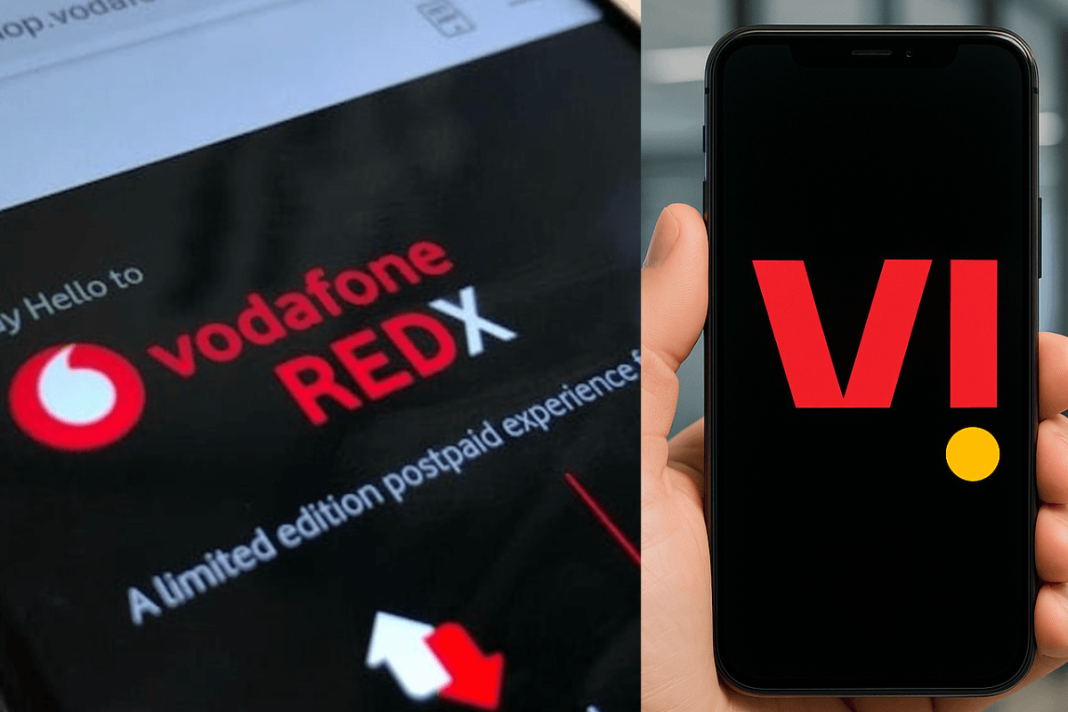
In India’s fiercely competitive telecom sector, every network upgrade and marketing campaign is scrutinised not just by rivals, but by millions of subscribers and regulatory bodies. Vodafone Idea (Vi), India’s third-largest telecom operator, has recently launched a significant new campaign, prominently featuring actor Vijay Deverakonda. The campaign, themed “Best of Both Worlds,” aims to highlight substantial improvements to its network, promising a superior user experience, stronger coverage, and greater reliability across India. While such a push for network enhancement is a welcome development for Vi’s vast customer base, it inevitably casts a spotlight on some of the company’s earlier, premium offerings, particularly the controversial “REDX” plan and its highly publicised “priority network” claims.
The timing and nature of this new narrative prompt important questions: If Vi is now asserting that its general network is “better than ever” and 5G-ready, what does this imply for the exclusivity once promised to subscribers of its premium REDX plans? Was the “priority network” benefit of REDX truly distinctive, or is the new campaign a tacit acknowledgement of past network deficiencies, now being broadly addressed?
The Legacy of REDX: Premium Promises and Regulatory Scrutiny
Launched as a premium postpaid offering, Vi’s REDX plan was aggressively marketed with a core promise: a “priority network” experience. For a higher monthly fee, subscribers were assured features like faster data speeds, lower latency, and preferential treatment on the network, especially during periods of congestion. The allure was clear – escape the common woes of network slowdowns by paying for a guaranteed superior service.
However, the concept of a “priority network” quickly drew the attention of the Telecom Regulatory Authority of India (TRAI). The regulator expressed concerns about the potential for such plans to create a two-tiered network system, questioning whether it would discriminate against non-premium users and violate principles of net neutrality. TRAI sought clarification from Vi on how this priority was implemented and whether it compromised the experience of other subscribers. While Vi maintained that its priority services adhered to regulatory guidelines and did not disadvantage other users, the intense scrutiny led to Vi temporarily withdrawing the REDX plan in 2020 before reintroducing it with clarifications. The episode underscored the regulatory sensitivity around differential service claims and set a precedent for how such premium promises would be perceived.
For REDX subscribers, the value proposition was straightforward: pay more, get more. This involved an implicit trust that their network experience would consistently surpass that of standard Vi users. The premium pricing was justified by this perceived exclusivity and performance guarantee.
Vi’s New Network Narrative: “Best of Both Worlds”
Fast forward to the present, and Vi’s new campaign paints a broader picture of network excellence. The messaging focuses on widespread improvements – enhanced coverage in urban and rural areas, better indoor penetration, and a generally more robust and reliable network that is ready for the 5G era. The campaign aims to rebuild consumer confidence in Vi’s overall network capabilities, moving beyond specific premium plans to a universal promise of quality.
This strategic shift, while essential for Vi’s competitive standing, inherently creates a paradoxical situation for its earlier “priority network” claims. If the entire network is now being upgraded to offer a “best of both worlds” experience – implying the merged strengths of Vodafone and Idea’s networks are finally manifesting – what then defines the “priority” for REDX users? Does their priority now apply within an already improved network, offering an even more elevated experience? Or does the general network uplift dilute the perceived exclusivity and benefits that REDX subscribers had paid a premium for?
As one telecom analyst, speaking anonymously, observed, “When an operator invests heavily in general network improvements, it’s a positive for all subscribers. However, it necessitates a clear re-articulation of value for premium plans like REDX. The challenge is to maintain the distinctiveness of ‘priority’ when the baseline experience itself is significantly enhanced. Consumers paying a premium will still expect a tangible, measurable difference.”
Implications for Subscribers and Regulatory Oversight
For existing REDX subscribers, the new campaign raises legitimate questions about the continued value of their premium plan. If the standard Vi network is now considerably better, do they still receive a demonstrably superior experience that justifies the higher cost? The perception of exclusivity, a key selling point for REDX, might be eroded if the benefits of network improvement are felt across the board.
From a broader industry and regulatory perspective, Vi’s evolving network narrative highlights the need for greater transparency in marketing premium services. As telecom networks become increasingly complex and converged, the definitions of “priority” or “exclusive experience” need to be quantifiable and easily understood by consumers. TRAI may find itself revisiting the efficacy and clarity of such claims, ensuring that consumers are not misled by marketing jargon and receive the service they pay for, irrespective of plan tier.
Ultimately, Vi’s renewed focus on enhancing its core network is a crucial step towards regaining market share and bolstering subscriber confidence. However, navigating the legacy of its past premium promises alongside its current widespread network improvements will require careful communication. The balance lies in effectively showcasing general network advancements without inadvertently undermining the perceived value of plans that once promised an exclusive slice of a better network. The industry, and particularly its consumers, will be watching closely to see how Vi manages this delicate equilibrium.

