


Quick Summary
Severed appendages from sea cucumbers exhibit an astonishing ability to remain alive and vital, posing a fascinating biological puzzle for scientists studying regeneration and cellular longevity.
What Happened
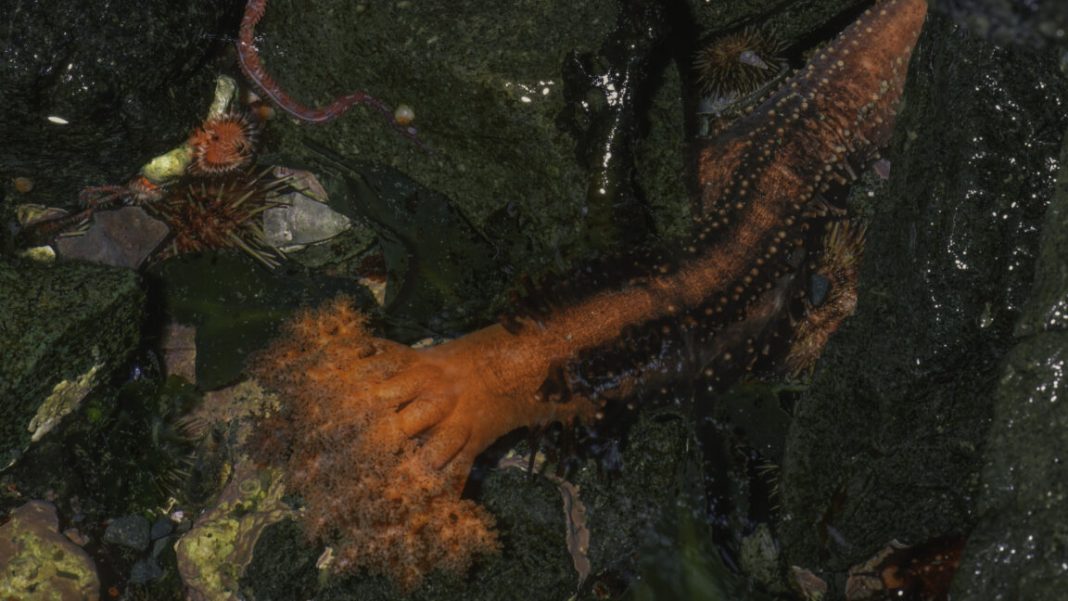
Recent observations highlight that discarded or severed body parts from sea cucumbers do not rapidly decompose or cease activity. Instead, these detached appendages maintain prolonged signs of life, showcasing an unusual resilience. This phenomenon is prompting researchers to delve deeper into the cellular and molecular mechanisms that allow these tissues to persist outside the main organism.
Why It Matters
This extraordinary vitality in severed parts could hold significant implications for advancements in regenerative medicine and our understanding of aging. As one researcher commented, “It’s like these tissues have an instruction set for indefinite survival, even when unattached.” Unlocking the secrets behind this biological phenomenon might pave new pathways for tissue repair, wound healing, or even extending cellular lifespans in other organisms.
Bottom Line
The remarkable tenacity of sea cucumber appendages to remain active post-severance underscores a compelling biological mystery with vast potential for scientific breakthroughs and applications in human health.

