


Trump’s Food Price Claims: Do His Examples Tell the Whole Story?
The cost of groceries is a kitchen table issue for nearly everyone, and political leaders often tap into this everyday concern. Recently, former President Donald Trump has asserted that he is actively working to make food cheaper, offering specific examples to bolster his point. While the idea of more affordable groceries is universally appealing, understanding the broader economic landscape is crucial to evaluating such claims and determining if the examples truly reflect the whole story for American consumers.
The Claims and the Evidence Presented
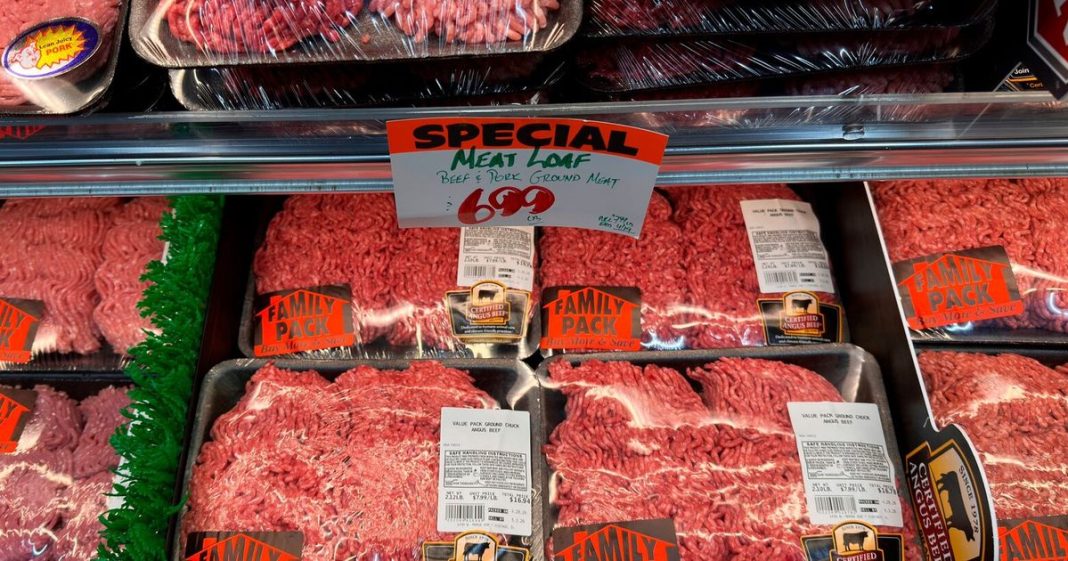
Former President Trump has highlighted certain food items, such as eggs or particular cuts of meat, suggesting that their prices have either fallen or could fall significantly under his influence. These examples often focus on specific commodities that might experience price fluctuations due to seasonal changes, supply gluts, or localized market dynamics. The implication is a direct causal link between his statements or policies and these price movements, painting a picture of an immediate and tangible impact on consumers’ wallets.
Such claims resonate because everyone remembers paying more for certain items recently. When a leader points to a specific item and says “I’m fixing this,” it offers a sense of direct action and hope amidst broader inflationary concerns. The challenge, however, lies in discerning whether these isolated examples represent a systemic shift or merely temporary market adjustments that might have occurred regardless of specific political intervention.
Beyond the Basket: The Broader Economic Picture
While specific items might indeed see price reductions, the overall narrative around food costs is far more intricate than a few select examples can convey. The price of groceries is influenced by a multitude of factors, including global commodity markets, fuel costs for transportation, labor expenses, extreme weather events affecting harvests, and even geopolitical tensions. When looking at aggregate data, such as the Consumer Price Index for food, the picture often shows a more complex trajectory.
Economists frequently emphasize that general inflation, while moderating from its peaks, still plays a significant role in household budgets. “Focusing on a few items, while potentially accurate in isolation, risks obscuring the broader inflationary pressures that consumers are still grappling with across their entire grocery list,” observes Sarah Jenkins, an independent economic analyst. She adds, “It’s like looking at a single tree and claiming to understand the health of the entire forest.”
Furthermore, different food categories behave differently. A drop in egg prices, for instance, might be linked to recovery from avian flu outbreaks or increased production, rather than broad economic policy. Simultaneously, the cost of fresh produce, dairy, or processed foods could be moving in an entirely different direction, influenced by their unique supply chains and market forces. The average consumer’s grocery bill isn’t just one or two items; it’s a diverse basket of goods, and the overall trend often tells a more complete story than individual anecdotes.
Conclusion
The conversation around food prices is deeply personal for every household. While politicians often seek to connect with voters through tangible promises of lower costs, a nuanced understanding requires looking beyond cherry-picked examples. The forces shaping grocery bills are vast and interconnected, from farm to fork, and rarely yield to simple solutions or single-point interventions.
For consumers trying to stretch their budget, the real measure of affordability lies in their total grocery bill, not just the price of one or two items. Evaluating claims about making food cheaper necessitates a look at comprehensive data and the underlying economic factors, ensuring that the whole story, not just a convenient chapter, is being told.

