


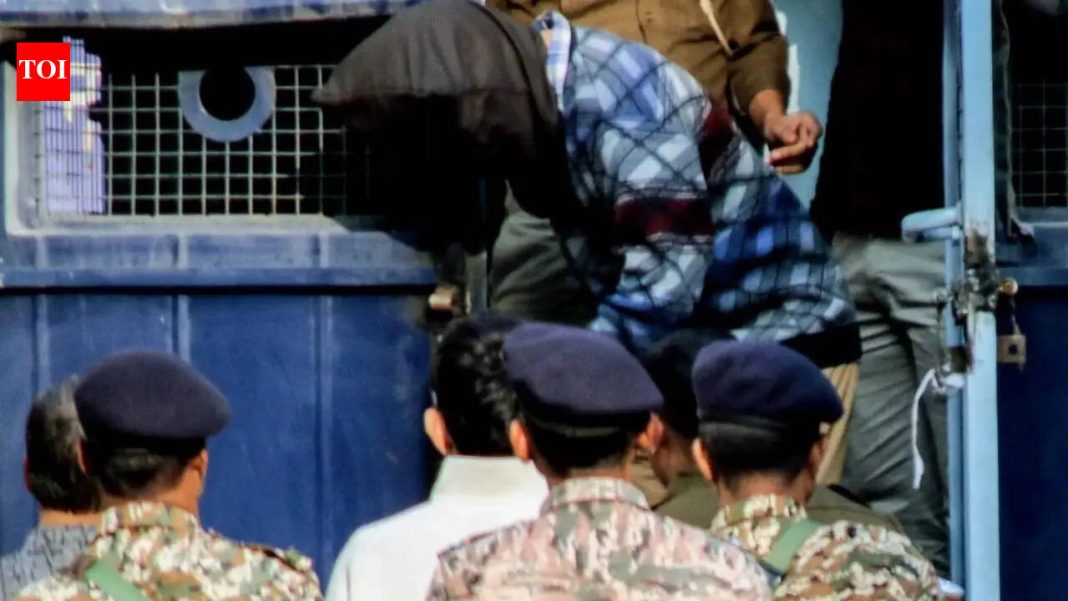
Delhi recently witnessed a significant law enforcement operation: the arrest of nine suspected terrorists allegedly linked to a dangerous nexus involving underworld figure Dawood Ibrahim and Pakistan’s Inter-Services Intelligence (ISI). Authorities claim these individuals were tasked with executing strikes on vital locations across India. This development underscores the persistent threat of cross-border terrorism and the intricate networks used to destabilize the nation.
Unraveling the Alleged Nexus: Dawood Ibrahim, ISI, and the Plot
The arrests, executed by the Delhi Police Special Cell, spanned multiple states, including Delhi, Uttar Pradesh, and Maharashtra, indicating the wide reach of the alleged conspiracy. According to investigations, the apprehended individuals were part of a sophisticated network orchestrated by the D-Company, headed by Dawood Ibrahim, reportedly operating under the direct patronage of Pakistan’s ISI. This alleged collaboration highlights a long-standing concern for Indian security agencies, where criminal syndicates are co-opted for state-sponsored terror activities.
Investigators revealed that the alleged plot involved two primary modules. One module was reportedly overseen by Pakistan-based handler Anees Ibrahim, Dawood’s brother, who was responsible for recruitment, funding, and logistical support. Recruits, after identification and indoctrination, were allegedly transported to Pakistan via circuitous routes, often through Gulf countries, for weapons and explosives training. Upon their return, they were tasked with identifying and surveilling high-value targets. The second module focused on procurement of arms and ammunition within India, facilitated by individuals with prior criminal records, thereby blending terror operations with existing criminal networks.
Sources within the Delhi Police Special Cell indicated that the suspects had undergone rigorous training in Pakistan, learning to handle various firearms and improvised explosive devices (IEDs). Their alleged targets included sensitive installations, public gatherings, and prominent individuals, intending to create widespread panic and chaos. The arrests, made possible through extensive human intelligence and technical surveillance, tracked suspects’ movements and communications over several months. This proactive action is believed to have thwarted a series of potentially devastating attacks.
“The precision of this operation showcases the relentless efforts of our intelligence agencies in dismantling terror modules before they can execute their sinister designs,” stated a senior official involved in the investigation, speaking on condition of anonymity. “The Dawood-ISI nexus is a deeply entrenched problem, and these arrests send a clear message that such attempts to destabilize India will be met with resolute action.”
Broader Implications and India’s Vigilance Against Cross-Border Threats
The disruption of this alleged terror plot carries significant broader implications for India’s national security landscape. The involvement of Dawood Ibrahim, a designated global terrorist and key architect of the 1993 Mumbai bombings, alongside the ISI, reiterates India’s long-standing claims of Pakistan’s complicity in cross-border terrorism. The continued use of proxies like the D-Company by state actors poses a complex challenge, as it blurs the lines between organized crime and terrorism, often making it harder to track and neutralize.
The arrested individuals are undergoing intense interrogation, expected to yield further intelligence on the network’s structure, funding channels, and future plans. This information is crucial for not only strengthening the ongoing investigations but also for informing counter-terrorism strategies at a national level. Law enforcement agencies are now working to identify other potential sleeper cells or associates who might have evaded immediate detection, emphasizing the dynamic and continuous nature of counter-terrorism operations.
This incident also highlights the critical role of inter-state coordination among police and intelligence agencies. The arrests across multiple states underline the necessity of seamless information sharing and collaborative efforts to combat threats that transcend geographical boundaries within India. For citizens, such events serve as a stark reminder of the persistent vigilance required from security forces and the public in reporting suspicious activities. The government’s stance remains firm: there will be zero tolerance for elements attempting to undermine India’s sovereignty and peace through terror. The ongoing legal process will be crucial in establishing the full extent of the conspiracy and bringing the perpetrators to justice, reinforcing the rule of law.
The recent arrests of nine suspected terrorists in Delhi, allegedly linked to the Dawood Ibrahim-ISI nexus, mark a critical success in India’s ongoing battle against terrorism. The operation has reportedly averted potential attacks on vital installations, demonstrating the effectiveness of intelligence gathering and proactive law enforcement. While investigations continue, this incident serves as a powerful testament to the intricate and grave nature of threats facing the nation, reinforcing the unwavering commitment of Indian agencies to safeguard its security and citizens. The disruption of this alleged plot underscores the need for perpetual vigilance and robust counter-terrorism frameworks to protect India from internal and external challenges.

