


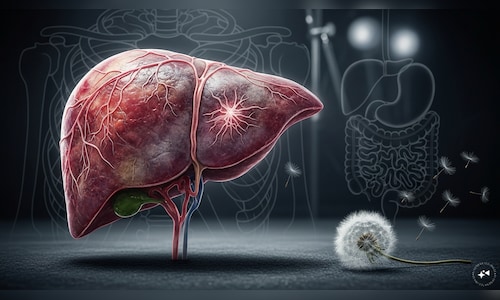
The global health landscape is grappling with a silent epidemic, one that threatens to overwhelm healthcare systems worldwide. A recent, sobering study published in The Lancet paints a grim picture: liver disease cases are projected to skyrocket to 1.8 billion by 2050, a dramatic increase from the already alarming 1.3 billion individuals affected in 2023. This monumental surge demands immediate attention, particularly in populous nations like India, where lifestyle shifts and demographic pressures are accelerating the crisis.
The Global Liver Crisis: A Staggering Forecast
The Lancet study highlights the pervasive and escalating nature of liver diseases, encompassing a wide spectrum from viral hepatitis and alcohol-related liver disease to the rapidly expanding realm of non-alcoholic fatty liver disease (NAFLD), now increasingly referred to as Metabolic Dysfunction-Associated Steatotic Liver Disease (MASLD). These conditions often progress silently, with symptoms manifesting only in advanced stages, making early detection a significant challenge. The study’s projections underscore a critical failure in current public health strategies and individual preventive behaviours, suggesting that without drastic intervention, the burden on healthcare infrastructure, economic productivity, and human well-being will be immense.
Globally, liver disease is a leading cause of mortality and morbidity, contributing significantly to healthcare expenditure. The increase from 1.3 billion to 1.8 billion in just over two decades is not merely a statistical jump; it represents millions more lives impacted by chronic illness, disability, and premature death. This surge is driven by a confluence of factors including rising obesity rates, sedentary lifestyles, poor dietary habits, increased alcohol consumption, and insufficient vaccination coverage for viral hepatitis in some regions. The scale of the problem is truly global, but its ramifications are felt acutely in developing nations that often lack robust public health infrastructure and widespread access to advanced medical care.
India’s Battle Against Liver Disease: A Growing Challenge
For India, a nation already navigating a dual burden of communicable and non-communicable diseases, these projections are particularly concerning. India is home to a significant proportion of the global liver disease burden, with conditions like MASLD becoming increasingly prevalent across both urban and semi-urban populations. The rapid economic development, changing dietary patterns leaning towards processed foods, and a sedentary lifestyle in urban centres are fuelling an epidemic of obesity and type 2 diabetes, both major risk factors for MASLD. Furthermore, alcohol consumption, especially harmful drinking patterns, continues to be a significant contributor to liver damage.
Viral hepatitis B and C, though targeted by national programmes, still pose substantial challenges in certain pockets, contributing to chronic liver disease and cirrhosis. The lack of widespread awareness about early symptoms, coupled with late diagnoses due to limited access to affordable screening and diagnostic facilities in rural areas, often means patients present at advanced stages, requiring complex and expensive interventions like liver transplantation, which remains largely inaccessible to the majority.
“The alarming rise in liver disease cases, as highlighted by The Lancet study, is a critical wake-up call for India,” states Dr. Priya Sharma, Senior Hepatologist at Apollo Hospitals. “We are witnessing a profound shift in disease patterns, with lifestyle-related conditions like MASLD now rivalling traditional threats. Proactive public health campaigns promoting healthy diets and regular exercise, coupled with accessible screening and early intervention, are no longer optional – they are absolutely essential to avert a major health crisis. Our genetic predispositions and unique socioeconomic fabric also demand tailored preventative strategies.”
Charting a Course Forward: Prevention and Policy Imperatives
Addressing the escalating liver disease crisis in India requires a multi-pronged, collaborative approach involving government, healthcare providers, educational institutions, and individuals. At the policy level, there is an urgent need for robust public health campaigns focusing on lifestyle modification. This includes promoting balanced diets rich in whole grains, fruits, and vegetables, discouraging excessive consumption of sugary drinks and processed foods, and advocating for regular physical activity from a young age. Stricter regulations on alcohol advertising and pricing, alongside enhanced awareness about responsible consumption, are also critical.
Strengthening healthcare infrastructure, particularly at the primary care level, is paramount. This involves training healthcare professionals to identify early signs of liver disease, increasing the availability and affordability of diagnostic tools like liver function tests and fibroscans, and ensuring timely referrals to specialists. Vaccination programmes for hepatitis B must be sustained and expanded, and screening for hepatitis C in high-risk populations needs to be intensified. Investing in research to understand India-specific genetic and environmental factors contributing to liver disease will also pave the way for more targeted interventions. Ultimately, the fight against liver disease is a battle for a healthier future, demanding collective will and decisive action.

