


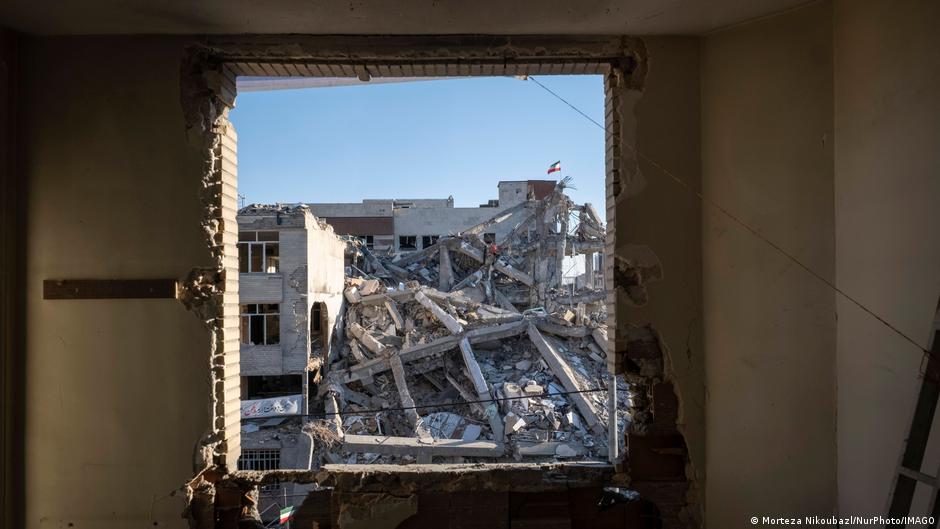
In a geopolitical landscape already fraught with tension, a recent declaration by Donald Trump has sent ripples of concern across the globe. Amidst ongoing, albeit fragile, efforts to de-escalate tensions and explore diplomatic pathways, Trump publicly threatened Iran’s vital infrastructure, specifically its bridges. This statement injects a particularly aggressive tone into an already precarious dialogue, raising serious questions about the nature of diplomacy when confronted with such stark warnings.
The Stark Threat: Bridges and Red Lines
The former president’s statement was unequivocally direct: if Iran were to act against U.S. interests or personnel, its bridges would be targeted. This isn’t merely a vague threat of military retaliation; it specifies civilian infrastructure, a category of targets that immediately raises international legal and ethical alarms. Bridges are not just military assets; they are lifelines for populations, facilitating trade, travel, and essential services. The implication of such a strike goes far beyond battlefield strategy, touching upon the very fabric of daily life in Iran.
For many observers, this rhetoric echoes a past pattern where strong, often inflammatory, language was deployed in international relations. However, the specificity of targeting civilian infrastructure, even indirectly, is a significant escalation in public discourse, especially when discussions about de-escalation are reportedly still on the table. It forces a critical examination of whether such threats serve as genuine deterrents, or if they risk further entrenching animosity and shrinking the already narrow window for diplomatic breakthroughs.
Diplomacy on a Knife-Edge
Despite the aggressive posturing, the channels for communication and negotiation between the United States and Iran are never entirely closed, even if they operate through intermediaries or backchannels. The concept of “talks on the table” signifies a persistent, if often frustrated, attempt by various international actors to prevent a full-blown confrontation. European nations, in particular, have often played a crucial role in trying to mediate and keep dialogue alive, recognizing the catastrophic potential of an unchecked escalation in the Middle East.
However, when a prominent figure issues threats of such magnitude, the delicate balance required for productive talks becomes extraordinarily difficult to maintain. Trust, a commodity already in short supply between these nations, is further eroded. Potential interlocutors, both within Iran and internationally, find their positions complicated. “Such pronouncements, while perhaps intended as a show of force, often paradoxically harden positions rather than soften them,” observes Dr. Anya Sharma, an independent foreign policy analyst. “It makes the already delicate dance of diplomacy feel like walking through a minefield.” The challenge lies in discerning whether these threats are a genuine prelude to military action, a negotiating tactic aimed at leverage, or simply a rhetorical flourish. Regardless of intent, the impact on the diplomatic process is undeniable and deeply unsettling.
The Unpredictable Path Forward
The dynamic between the United States and Iran remains one of the most volatile in international relations. The simultaneous existence of aggressive threats and the acknowledgment of ongoing talks creates a perilous duality. It leaves the international community in a state of heightened alert, constantly weighing the possibilities of de-escalation against the ever-present risk of miscalculation. The future trajectory hinges on whether diplomatic pragmatism can ultimately prevail over escalatory rhetoric. The stakes, involving regional stability and potentially global peace, could not be higher.
As the world watches, the question isn’t just about whether bridges will be targeted, but whether the bridges to diplomacy can withstand the immense pressure. The path ahead requires not just strategic foresight, but also a profound understanding of how words, especially those from powerful figures, can shape realities on the ground.

