


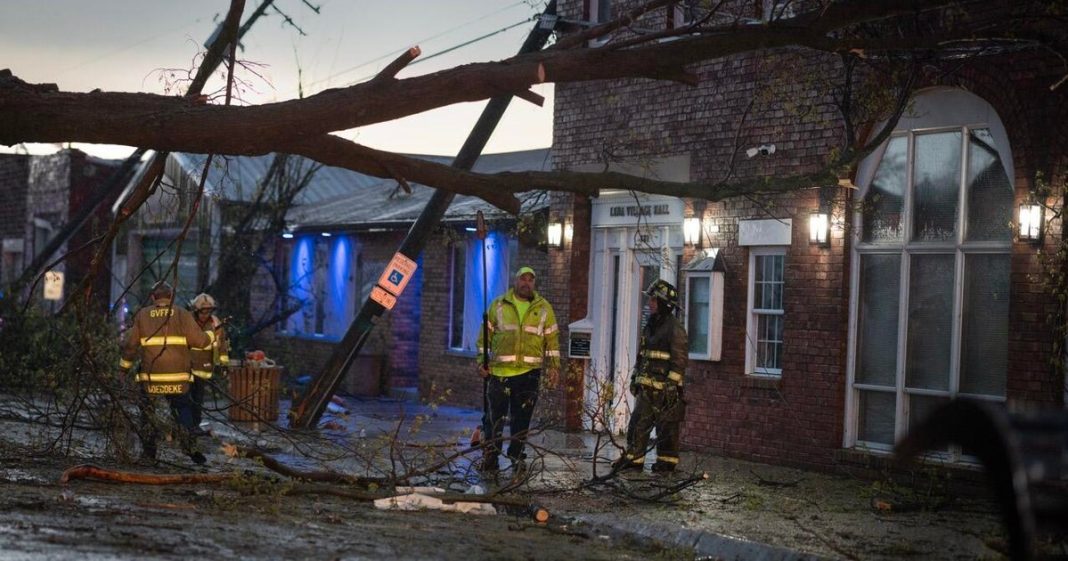
Following a night that brought destructive tornadoes to parts of the Midwest, residents across the region and extending into the Great Lakes are now bracing for another significant round of severe weather. Meteorologists are closely monitoring a dynamic atmospheric setup that points to the potential for more powerful storms, including the risk of damaging winds, large hail, and additional tornadoes, as a complex weather system continues its eastward progression.
The Atmospheric Ingredients for Severe Weather
The current forecast indicates a robust combination of atmospheric factors converging to create an environment highly conducive to severe thunderstorms. A potent low-pressure system is tracking across the central United States, drawing warm, moist air northward from the Gulf of Mexico. This influx of humidity provides the fuel necessary for thunderstorms to develop and intensify. Coupled with a powerful jet stream overhead, which introduces significant wind shear—the change in wind speed and direction with height—the stage is set for organized and potentially long-lived storm structures.
Areas from the central Plains into the Ohio Valley and Great Lakes are under increased scrutiny. The interaction between these air masses is expected to generate strong uplift, initiating widespread storm activity. The sheer scale and energy within this system suggest that multiple modes of severe weather are possible, making vigilance crucial for those in the forecast path.
Anticipated Hazards and Essential Preparedness
The primary threats associated with this evolving weather pattern include not only the potential for more tornadoes but also widespread damaging straight-line winds that could exceed 70 mph, capable of downing trees and power lines. Large hail, potentially exceeding golf-ball size, is also a significant concern, posing a risk to property and agriculture. Additionally, the storms are expected to produce heavy rainfall, which could lead to localized flash flooding, particularly in areas that have already received significant precipitation recently or have saturated ground.
Local authorities and meteorological services are urging residents to remain informed and have a plan. “The key right now is awareness,” stated Dr. Lena Hansen, a meteorologist specializing in severe weather dynamics. “Understanding the specific threats for your location and having multiple ways to receive warnings – whether it’s a weather radio, smartphone alerts, or local media – can make all the difference when seconds count.”
It is paramount for individuals and families in affected regions to have a designated safe place, whether it’s a basement, an interior room on the lowest floor, or a community shelter. Reviewing emergency plans, ensuring communication devices are charged, and having an emergency kit ready are practical steps that can significantly enhance safety as these storms approach.
Staying Informed and Safe
As this dynamic weather system unfolds, the situation will continue to evolve. Reliable, up-to-the-minute information from official sources such as the National Weather Service and local emergency management agencies will be critical. Paying close attention to watches, which indicate that severe weather is possible in your area, and warnings, which mean severe weather is imminent or occurring, is essential for timely action. The proactive measures taken now can help safeguard communities against the potential impacts of the anticipated severe weather.
*

