


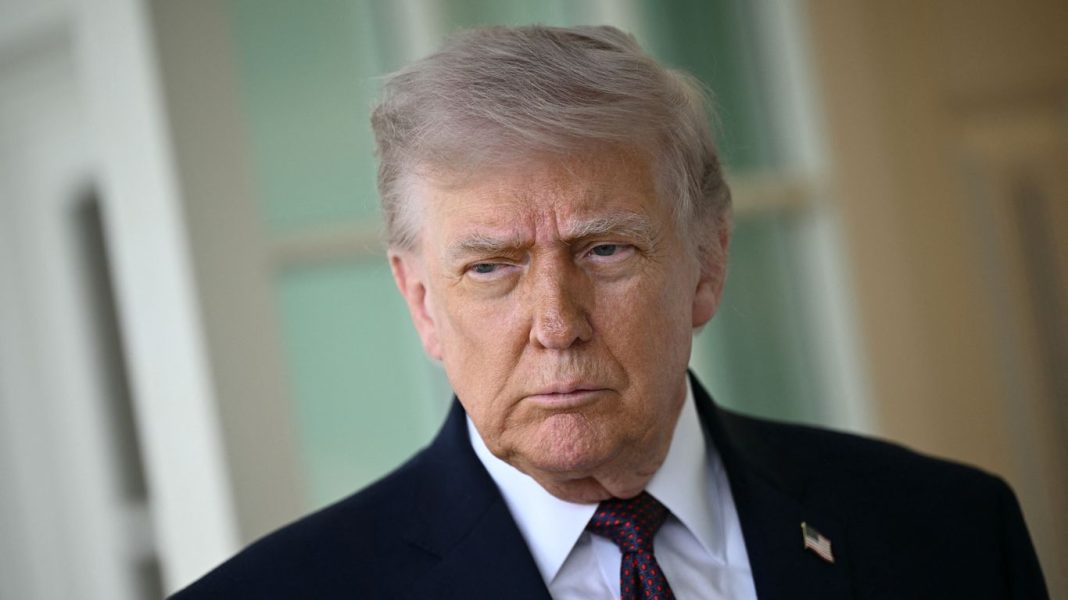
A recent declaration from former President Trump has captured significant attention, with his assertion that the U.S. Navy would begin escorting ships through the strategic Strait of Hormuz. This statement, if implemented, signals a profound shift in maritime security operations within a region already fraught with geopolitical tension and high stakes. It’s a move that carries both the promise of enhanced security for global shipping and the inherent risk of escalating already delicate international relations.
The Strait of Hormuz: A Chokepoint Under Scrutiny
To understand the weight of Trump’s proposition, one must first appreciate the critical importance of the Strait of Hormuz. This narrow waterway, situated between Iran and Oman, is arguably the world’s most vital oil transit chokepoint. An estimated 20% of the world’s total petroleum liquids and a significant portion of its liquefied natural gas pass through it daily. Its strategic significance makes it a recurring flashpoint in international affairs, particularly concerning Iran’s influence in the Gulf region.
Over the years, the Strait has witnessed numerous incidents, from tanker seizures to confrontations between naval forces. These events underscore the delicate balance of power and the constant potential for disruption to global energy supplies. Any action taken to alter the status quo of transit and security within this corridor inherently draws immense international scrutiny and carries far-reaching consequences for global trade and stability.
Escorting Ships: Intentions and Potential Repercussions
The concept of military escorts for commercial vessels is not new; it’s a tactic often employed in high-risk zones to deter piracy or hostile actions. In the context of the Strait of Hormuz, a U.S. Navy escort mission would ostensibly aim to safeguard international shipping from perceived threats, ensuring the free flow of commerce. Proponents might argue such a presence provides a necessary deterrent, signaling a firm commitment to protecting global economic interests.
However, the execution of such a directive introduces a complex web of considerations. Increased naval presence in such a confined and heavily monitored space could be interpreted differently by various actors. While intended to provide security, it also inherently raises the potential for miscalculation or accidental escalation, particularly given Iran’s long-standing claims and naval presence in the area. “Implementing such an escort mission,” observed one maritime security analyst, “would undoubtedly project strength, but it also necessitates an extremely cautious and clear communication strategy to avoid unintended provocations in an already tense environment.”
Economically, consistent and reliable passage through the Strait is paramount. Disruptions, or even the heightened perception of risk, can send shockwaves through global oil markets, impacting prices and consumer confidence worldwide. A robust escort mission could, in theory, stabilize these perceptions, but only if it demonstrably reduces incidents without creating new ones.
Navigating the Geopolitical Waters Ahead
A decision to implement a widespread naval escort operation in the Strait of Hormuz is more than a logistical undertaking; it’s a profound geopolitical statement. It would likely challenge existing maritime protocols and potentially invite reactions from regional powers and international bodies. The long-term implications for the balance of power in the Persian Gulf, the dynamics of energy security, and the broader U.S. foreign policy posture in the Middle East would be substantial.
Ultimately, any such initiative would require careful diplomacy alongside military strategy. The global community would be watching closely to see how such a bold move balances the imperative of securing vital trade routes with the critical need to prevent regional instability from spiraling into broader conflict. The path ahead through the Strait of Hormuz, both literally and figuratively, remains a complex and closely watched journey.

