


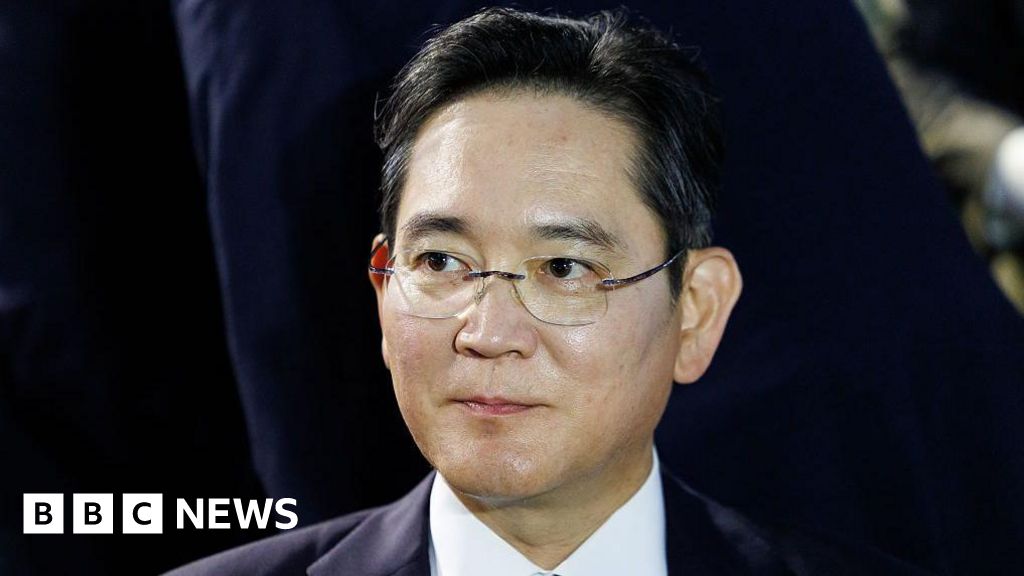
The air around the Samsung family, one of the world’s most influential industrial dynasties, just got a lot lighter. After years of meticulously structured payments and strategic asset management, the colossal $8 billion inheritance tax bill has finally been settled. This isn’t merely a significant financial transaction; it marks the close of a monumental chapter for the family and the sprawling empire they command.
The Unprecedented Weight of an $8 Billion Bill
To grasp the magnitude of this payment, it helps to put it into perspective. $8 billion isn’t just a large sum; it’s one of the largest, if not the largest, single inheritance tax payments in history. This staggering figure stemmed from South Korea’s exceptionally high inheritance tax rates, designed to prevent perpetual dynastic wealth concentration, especially within the country’s powerful family-controlled conglomerates known as chaebols. The bill, inherited by the family members following the passing of the late chairman, represented a financial challenge that few, if any, private individuals or families have ever faced.
The process of accumulating and paying this sum wasn’t a simple one-off transaction. It involved a multi-year undertaking, requiring careful financial planning, the strategic sale of non-core assets, and a significant portion funded through dividends from their vast holdings. It was a delicate balancing act, designed to meet the tax obligation without destabilizing the core businesses or relinquishing fundamental control. As one financial analyst, closely observing the saga, put it, “This wasn’t just writing a check; it was a masterclass in long-term financial strategy, navigating immense pressure while maintaining corporate stability and minimizing disruption to a global powerhouse.”
Preserving Legacy: A Strategic Masterclass
The successful settlement of this tax bill underscores the Samsung family’s unwavering commitment to maintaining their leadership and influence over the various Samsung entities. Despite the enormous financial strain, the family has largely retained its foundational stakes in key companies, showcasing a deeply entrenched resolve to uphold the legacy and direction set by previous generations. This period saw careful decisions made regarding which assets to divest, including a vast collection of art and stakes in certain affiliates, all while safeguarding the integrity of Samsung Electronics and its most crucial ventures.
The journey to pay off this debt also offered a rare glimpse into the complex mechanics of ultra-wealth transfer and corporate governance within the chaebol structure. It highlighted the intricate web of cross-shareholdings and the strategic importance of even minor percentage points when it comes to effective control. Far from weakening the family’s grip, this arduous process might, paradoxically, have solidified their resolve and streamlined their focus, eliminating a major financial distraction that loomed for years.
A New Chapter for the Samsung Empire
With the $8 billion inheritance tax now a matter of history, a significant financial albatross has been removed from the Samsung family’s shoulders. This clearance doesn’t just represent financial closure; it symbolizes a fresh start, allowing the family to fully concentrate on future growth, innovation, and strategic expansion without the lingering burden of a colossal tax payment. The resources and mental energy previously allocated to managing this obligation can now be redirected towards navigating global economic shifts, driving technological advancements, and securing Samsung’s position as a leader in an increasingly competitive world.
The completion of this record-breaking payment is more than a headline-grabbing financial event; it’s a testament to the enduring power, resilience, and meticulous planning inherent in one of the world’s most formidable business dynasties. As Samsung moves forward, the echoes of this monumental financial feat will serve as a reminder of its unique challenges and its unyielding determination.

