


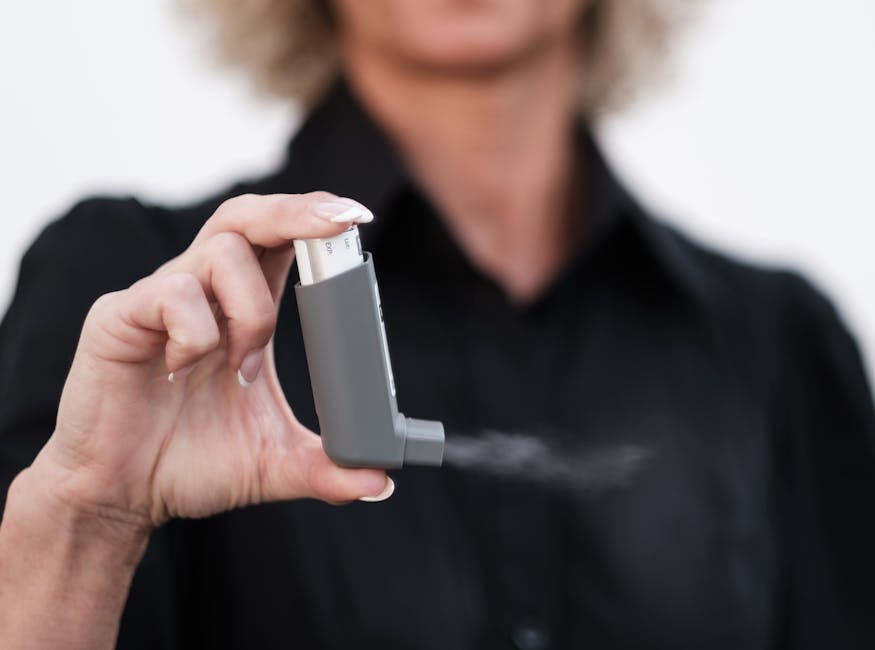
India, facing a significant burden of respiratory ailments, often sees individuals relying on nebulisers for immediate symptom relief. These devices deliver medication directly to the lungs, a common sight in many homes. However, a recent study reveals a critical perspective: a potential link between certain patterns of nebuliser use and the severity of Chronic Obstructive Pulmonary Disease (COPD). For a nation grappling with air quality and lifestyle factors impacting lung health, understanding this connection is paramount.
Understanding COPD and Nebulisers in India
Chronic Obstructive Pulmonary Disease is a progressive lung disease characterized by obstructed airflow from the lungs. In India, high ambient air pollution, occupational exposure, widespread biomass fuel use for cooking, and a substantial smoking population contribute to its alarming prevalence. COPD significantly impairs quality of life, leading to symptoms like breathlessness, coughing, and wheezing, often necessitating ongoing management.
Nebulisers, transforming liquid medication into a fine mist for inhalation, are indispensable in managing acute respiratory conditions like asthma and COPD exacerbations. They are designed to deliver bronchodilators and corticosteroids effectively, providing rapid symptom relief and preventing severe attacks. Their accessibility and perceived ease of use have made them popular, sometimes even for self-medication, particularly in areas with limited immediate medical access. This can, however, lead to misapplication or mask underlying issues, potentially delaying appropriate comprehensive care.
The Study’s Findings: A Closer Look at Severity
The study, conducted across a cohort of COPD patients, investigated the long-term impact of nebuliser usage patterns on disease progression and severity. While nebulisers are undeniably crucial for acute symptom management, the research indicated a correlation: patients with frequent, unsupervised, or prolonged nebuliser use without adequate medical guidance tended to present with more severe forms of COPD.
Researchers propose diagnostic delay as a significant mechanism for this observed link. Over-reliance on nebulisers for symptomatic relief might lead individuals to postpone comprehensive medical evaluations, thereby missing opportunities for early diagnosis of other contributing factors or the true underlying severity of their COPD. This delay hinders the timely implementation of crucial long-term management strategies, including pulmonary rehabilitation, appropriate anti-inflammatory medications, and lifestyle modifications.
Another concern highlighted is medication misuse. Patients might predominantly use bronchodilators via nebulisers without concurrently addressing the inflammatory component of COPD, which often requires inhaled corticosteroids. This imbalanced approach can provide temporary relief but fails to control the progressive inflammatory damage to the lungs, potentially leading to increased frequency of exacerbations and overall disease worsening. Incorrect nebuliser solutions or improper usage techniques can also diminish efficacy or introduce risks.
Dr. Rajesh Sharma, a leading pulmonologist at Apollo Hospitals, Chennai, commented on the implications: “This study is a crucial reminder that while nebulisers are invaluable, they are not a standalone solution. The challenge in India often lies in self-medication and lack of consistent medical follow-up. Patients must understand that nebuliser use needs to be part of a holistic, physician-guided management plan for COPD, not a substitute for it.”
Navigating Nebuliser Use Responsibly
The study’s findings do not negate the vital role of nebulisers in respiratory care but rather underscore the importance of their responsible and informed use. For individuals managing COPD in India, this means strict medical supervision is paramount; always use nebulisers under a qualified doctor’s guidance, as self-medication or adjusting dosages based on perceived symptoms without consultation can be detrimental. Adherence to comprehensive treatment plans is crucial, integrating nebuliser therapy into a broader management strategy that includes regular medication, pulmonary rehabilitation, smoking cessation, and vaccination. Patients should focus on understanding their condition, engaging with healthcare providers to grasp their COPD specifics, its severity, triggers, and the rationale behind each prescribed therapy. Regular follow-ups with a pulmonologist are essential to adjust treatment as the disease progresses or new symptoms emerge. Finally, while nebulisers manage symptoms, addressing root causes like environmental factors (e.g., air pollution exposure) and quitting smoking are fundamental to slowing disease progression and achieving better long-term health.
This recent study, suggesting a link between certain nebuliser usage patterns and severe COPD, offers significant insight for India’s healthcare landscape. It highlights the delicate balance between effective symptomatic relief and comprehensive disease management. For millions of Indians living with COPD, this research is a call for greater awareness, emphasizing that while nebulisers remain a cornerstone of acute respiratory care, their efficacy is maximized when used judiciously, under expert medical guidance, and as part of a holistic approach to tackling this challenging chronic illness. Promoting patient education and strengthening doctor-patient communication are pivotal steps towards ensuring better long-term outcomes for COPD patients across the nation.

