


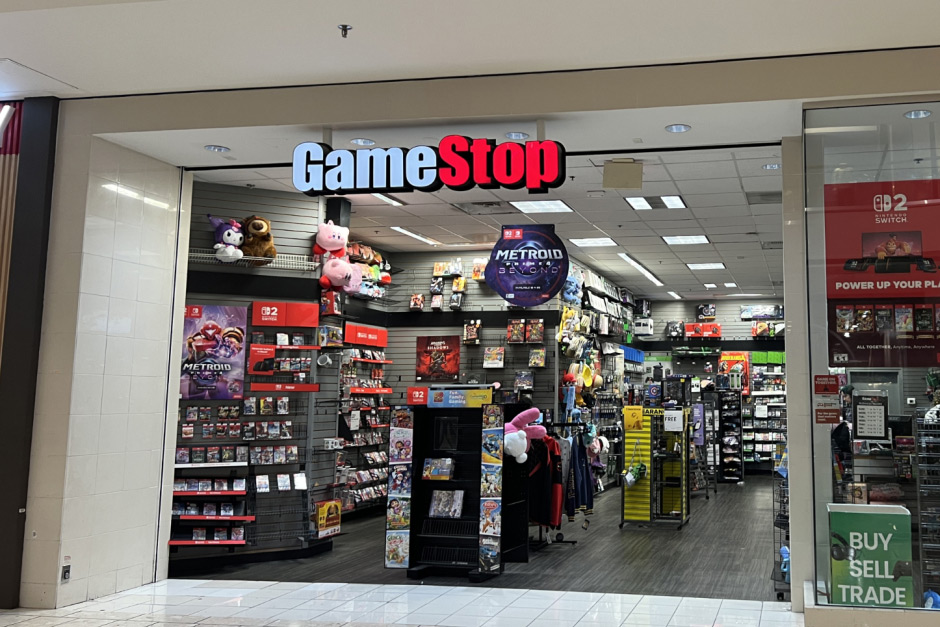
The world of e-commerce might be on the verge of its most unexpected shake-up yet. Remember GameStop, the video game retailer that became the poster child for “meme stocks” and a symbol of retail investor power? Well, prepare for another plot twist. Whispers are circulating, growing louder by the day, that GameStop is eyeing a colossal acquisition: a $56 billion bid for none other than eBay. The audacious goal? To go head-to-head with the undisputed titan of online retail, Amazon.
From Meme Stock to Market Disruptor?
GameStop’s journey has been nothing short of a rollercoaster. For years, the company faced an existential crisis as gaming moved increasingly digital, threatening its brick-and-mortar model. Then came the incredible surge fueled by online communities, propelling its stock to dizzying heights and giving the struggling retailer a massive cash infusion and a renewed sense of purpose. Under the guidance of activist investor Ryan Cohen, the company has been on a mission to transform itself, focusing on e-commerce, customer experience, and expanding its product catalog beyond just games.
But a $56 billion bid for eBay isn’t just a pivot; it’s a declaration of war on the established order. eBay, with its long-standing marketplace, vast seller and buyer base, and global reach, represents a massive leap for GameStop. It’s a move that would instantly grant GameStop a diverse product offering, established logistics, and a ready-made infrastructure far beyond its current capabilities. Imagine the combined power: GameStop’s brand recognition and growing digital savvy, paired with eBay’s expansive platform and auction heritage. It’s a pairing that could create a formidable challenger in the vast e-commerce landscape.
The Amazon Gauntlet: A Bold, Risky Gambit
Taking on Amazon is not for the faint of heart. The Seattle giant dominates multiple sectors, from online retail and cloud computing to logistics and streaming. Its ecosystem is vast and deeply integrated into daily life. A GameStop-eBay alliance would aim to carve out a significant slice of that pie by offering an alternative that potentially focuses more on a community-driven marketplace and unique product offerings. The idea isn’t just to compete on price, but to offer a differentiated experience.
However, the risks are monumental. $56 billion is a staggering sum, and financing such a deal would be complex, likely involving significant debt or dilution for GameStop shareholders. Then there’s the challenge of integration: merging two vastly different corporate cultures and technological infrastructures. Even if successful, the combined entity would still face Amazon’s immense resources, logistical supremacy, and relentless innovation.
As one market watcher, Dr. Evelyn Reed, commented, “This isn’t just about combining two companies; it’s about whether their combined strengths can truly disrupt the deep trenches Amazon has dug. It’s an incredibly audacious play, a true David vs. Goliath scenario, but GameStop has shown it thrives on defying expectations.” The question remains: can this unexpected alliance not only stand up to Amazon but also innovate and evolve fast enough to capture consumer loyalty in an ever-crowded market?
A New Chapter for E-commerce?
The potential acquisition of eBay by GameStop represents a fascinating potential shift in the e-commerce narrative. It’s a testament to GameStop’s ambition to transcend its meme stock status and become a serious player in the digital economy. While the path ahead is fraught with challenges, the very notion of this deal signals a bold new chapter for online retail. Whether it culminates in a successful challenge to Amazon or an expensive lesson, one thing is clear: the e-commerce world just got a whole lot more interesting.

