


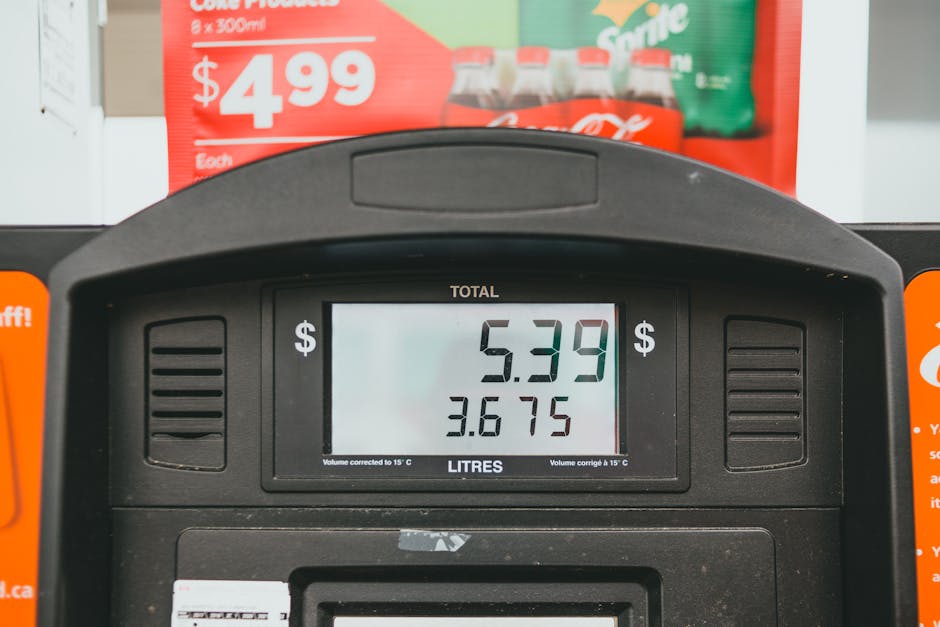
The Indian energy landscape continues to present a complex picture, with recent developments highlighting a stark contrast in pricing strategies. While consumers have witnessed a period of welcome stability in petrol and diesel rates, the same cannot be said for commercial LPG. Oil marketing companies (OMCs) have announced a significant hike of Rs 993 for 19 kg commercial LPG cylinders, a move that comes amidst global geopolitical uncertainties and rising crude oil prices. This steep increase, effective immediately, poses a fresh challenge for businesses across the country, while the steady rates for automotive fuels suggest a strategic balancing act by policymakers.
The Steep Rise: Businesses Brace for Impact
The latest revision sees the price of a 19 kg commercial LPG cylinder in Delhi climb to approximately Rs 2,012.00, marking a substantial jump from its previous rate. This increase, which varies slightly across different cities, directly impacts a wide array of commercial establishments dependent on LPG for their operations. Restaurants, hotels, caterers, roadside eateries, and various small and medium enterprises (SMEs) are the primary users of these larger cylinders. Unlike domestic LPG, which often benefits from government subsidies, commercial LPG prices are largely market-driven, reflecting the true cost of procurement, refining, and distribution.
For businesses already grappling with fluctuating input costs and post-pandemic recovery challenges, this nearly Rs 1,000 hike per cylinder is a significant blow. The immediate effect will be felt in their operational budgets, compelling many to reconsider pricing strategies for their goods and services. A restaurant, for instance, might use several such cylinders a month, translating to an additional expenditure of thousands of rupees. This increased burden on businesses often trickles down to the end-consumer in the form of higher prices for food items and other services, potentially fuelling broader inflationary pressures across the economy. The timing, amid global economic headwinds and the ongoing conflict in Eastern Europe influencing energy markets, further complicates the situation for Indian businesses.
Petrol and Diesel Rates Hold Steady: A Strategic Stance
In stark contrast to the volatile commercial LPG market, the prices of petrol and diesel have remained remarkably stable across India for an extended period. Despite international crude oil prices oscillating and the Indian Rupee experiencing its own fluctuations against the US Dollar, consumers at the pump have not seen significant changes. This stability is largely attributed to a cautious approach by the government and state-owned oil marketing companies, who absorb much of the volatility to shield the common citizen from direct impact.
The pricing mechanism for petrol and diesel in India is a complex interplay of international crude oil benchmarks, refining costs, dealer commissions, and significant central and state taxes. While OMCs theoretically pass on crude price changes daily, governmental intervention, or rather, the lack of an immediate pass-through, has been observed in recent times. This strategic decision to maintain steady auto fuel prices could be an attempt to manage inflation expectations, support the logistics and transportation sectors, and avoid public discontent, given the direct and immediate impact these fuels have on daily life and the movement of goods. The government seems to be navigating a tightrope, balancing fiscal revenue needs with the imperative of economic stability and public welfare, especially regarding essential commodities and services.
“This hike will undoubtedly squeeze profit margins for many small and medium enterprises, potentially leading to inflationary pressures down the line, especially in the food service sector,” said Dr. Ranjan Kumar, a prominent energy economist. “The government’s challenge lies in managing energy costs without completely stifling economic recovery or burdening the average consumer through indirect price increases.”
The recent surge in commercial LPG prices while petrol and diesel rates hold firm paints a nuanced picture of India’s energy economy. It underscores the challenges faced by businesses in a dynamic global environment, where the costs of essential inputs can shift dramatically. While the stability in auto fuels offers some relief to consumers and the broader logistics sector, the substantial increase in commercial LPG will necessitate adaptive strategies from enterprises to absorb or pass on these elevated costs. As India navigates its economic recovery amidst global uncertainties, the careful management of energy prices across all segments remains a critical task for policymakers, requiring a delicate balance between fiscal prudence, business viability, and consumer welfare. The coming months will reveal the true extent of this pricing divergence’s impact on India’s commercial landscape.

