


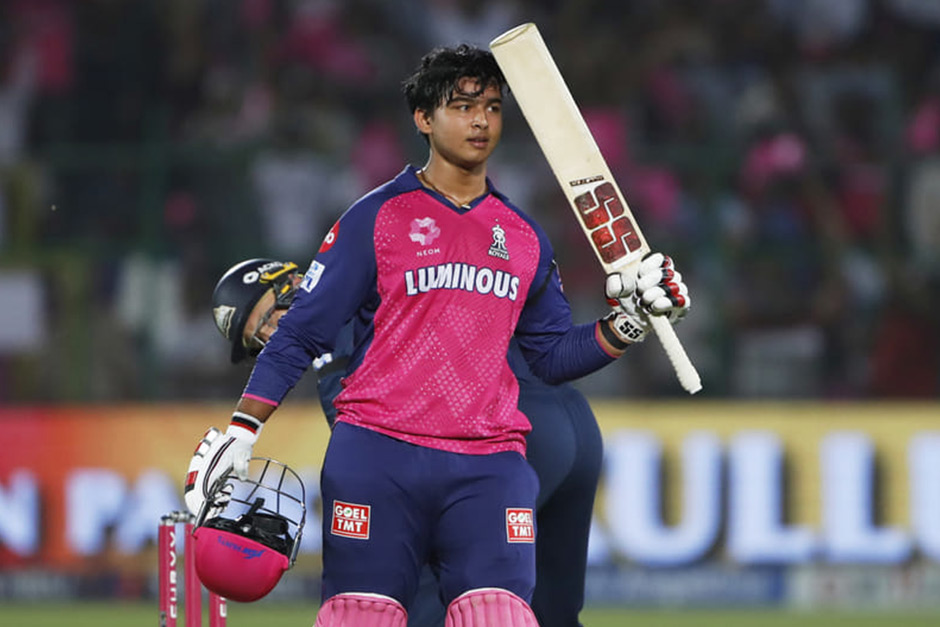
In the vibrant, often intense, landscape of Indian cricket, statements from seasoned campaigners carry significant weight. Recently, it was none other than India’s dashing opener, Shikhar Dhawan, who ignited a fresh debate and perhaps, a new philosophy, with a concise yet profound declaration. Addressing the burgeoning talent of young batsman Vaibhav Sooryavanshi, Dhawan unequivocally stated, “‘Don’t count Vaibhav Sooryavanshi’s age’,” a sentiment that has resonated deeply across cricketing circles and fan bases, hinting at a potential paradigm shift in how talent is perceived and nurtured for the national side.
Dhawan’s words come at a time when discussions around youth inclusion versus experience often dominate selection debates. For a player like Sooryavanshi, who is reportedly making waves in domestic circuits with performances far beyond his tender years, such an endorsement from a veteran like Dhawan is not just a morale booster but a powerful statement of intent from within the cricketing fraternity. It underscores a growing belief that innate skill, temperament, and match-winning ability should always precede chronological age when it comes to donning the coveted India blue.
Dhawan’s Bold Endorsement: A Call for Meritocracy
Shikhar Dhawan, known for his fearless approach on the field and his candidness off it, has put his considerable experience behind a message that many believe is crucial for the future of Indian cricket: talent knows no age. His statement, “‘Don’t count Vaibhav Sooryavanshi’s age’,” is a clarion call for a meritocratic approach to player selection, urging focus solely on a player’s capability and potential impact rather than the number of years they’ve been around. This isn’t merely about advocating for a single individual; it’s about challenging deeply ingrained perceptions that often link age with readiness or maturity for international cricket.
Dhawan himself, having been a critical part of India’s white-ball setup for over a decade, understands the pressures and demands of the international stage. His endorsement of Sooryavanshi, therefore, isn’t a casual remark but a carefully considered one, reflecting a belief in the young prodigy’s exceptional talent. It suggests that Sooryavanshi possesses a certain quality – perhaps a rare blend of technique, temperament, and confidence – that transcends his youth. Such a public backing from a senior player can significantly ease the path for a young debutant, instilling confidence and deflecting undue scrutiny often associated with early breakthroughs.
Vaibhav Sooryavanshi: A Prodigy in the Spotlight
While the spotlight is currently on Dhawan’s statement, its essence lies in the individual it champions: Vaibhav Sooryavanshi. Though details of his burgeoning career remain nascent for many, the buzz around him suggests a cricketer of extraordinary promise. Emerging from the highly competitive domestic structure, Sooryavanshi is reportedly impressing selectors and critics alike with his elegant stroke play, composure under pressure, and a maturity that belies his age. Whether it is through impressive scores in junior cricket, standout performances in state-level tournaments, or impactful contributions in emerging player leagues, Sooryavanshi has evidently showcased a consistent ability to perform at a high level.
The history of Indian cricket is replete with examples of young talents making early marks – from Sachin Tendulkar to Prithvi Shaw. What Dhawan’s statement seeks to highlight is that these exceptions should perhaps become the norm if the talent is undeniable. Sooryavanshi’s narrative, as framed by Dhawan, is one of a player whose skill set is already prepared for the rigors of international cricket, irrespective of whether he is 18 or 28. This perspective can liberate young players from the burden of proving their “experience” and allow them to focus purely on their game.
Rethinking Age in Indian Cricket’s Trajectory
Dhawan’s bold declaration could signify a pivotal moment for Indian cricket’s player development and selection philosophy. In a country where talent pools are immense and competition is fierce, the age factor has often been a double-edged sword. While it’s essential to nurture young players, there’s also been a tendency to hold back prodigies, citing a need for more domestic experience. Dhawan’s stance challenges this conservative approach, advocating for a swifter integration of ready talent into the national setup.
Such a mindset shift could prove beneficial in the long run. By prioritizing pure ability and match-winning temperament over age, Indian cricket could potentially unearth and harness world-class talent at an earlier stage, giving them more exposure and time to develop into global superstars. This approach aligns with modern cricketing trends globally, where young players are increasingly making an impact across formats. Dhawan’s statement, therefore, isn’t just about one player; it’s a commentary on the future trajectory of Indian cricket, suggesting a move towards a more dynamic and less conventional pathway for its brightest prospects.
As the conversation around Vaibhav Sooryavanshi continues, fueled by Shikhar Dhawan’s powerful words, it serves as a timely reminder: in the pursuit of cricketing excellence, talent, indeed, should be timeless. The focus now shifts to how this sentiment translates into action, shaping the careers of promising young cricketers like Sooryavanshi and influencing future selection decisions for the Men in Blue.

