


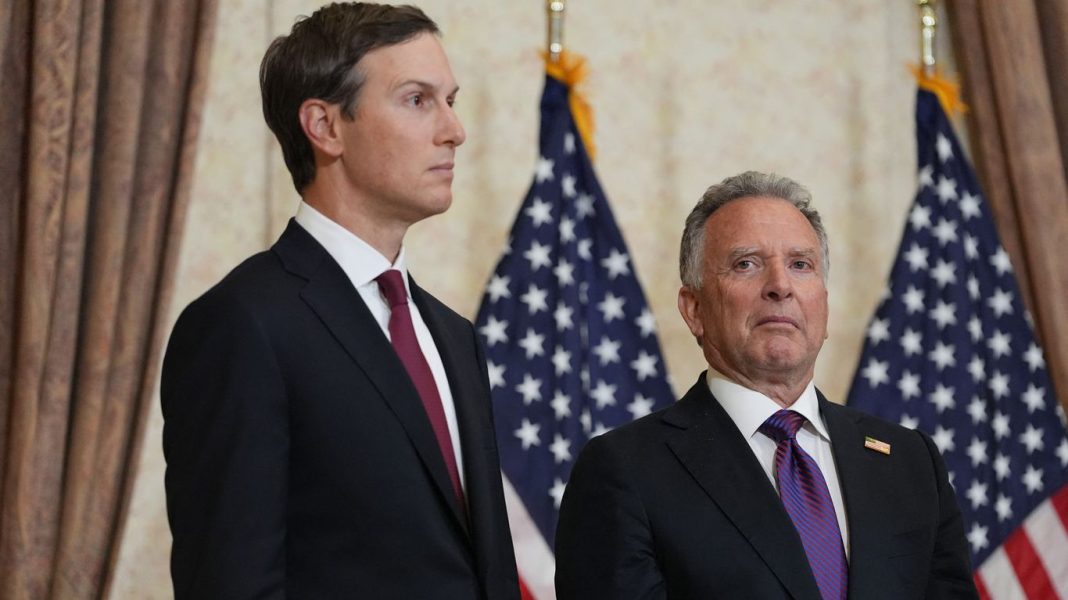
A planned diplomatic mission involving US envoys scheduled to travel to Pakistan for discussions centered on Iran has been called off by President Trump. This abrupt decision signals a potential recalibration of Washington’s strategy regarding one of its most complex foreign policy challenges, opting to halt a high-level delegation previously tasked with engaging a key regional partner on the sensitive subject.
Strategic Recalibration and Unified Messaging
The delegation, reportedly comprising senior State Department officials, was slated to engage with Pakistani counterparts to discuss the escalating tensions surrounding Iran. Such a visit would typically aim to brief allies, gather intelligence, and potentially seek support for various diplomatic or economic pressures. However, the unexpected cancellation, made directly by President Trump, suggests a desire to consolidate messaging or re-evaluate the utility of a multi-pronged approach at this particular juncture.
Reports indicate that the decision was driven by a concern to prevent any perceived mixed signals regarding the US stance on Iran. In periods of heightened international tension, the clarity and consistency of a nation’s diplomatic message become paramount. By calling off the trip, the administration appears to be emphasizing a preference for a centralized communication strategy, ensuring that all public and private engagements reflect a singular, unified position and avoid any misinterpretation of its policy objectives.
This move highlights the delicate balance foreign policy leaders must strike between direct engagement with allies and maintaining an unyielding front on critical issues. It suggests a strategic pause to perhaps refine the message or reconsider the most effective channels for its delivery, particularly when dealing with a challenging adversary like Iran.
Pakistan’s Pivotal Role in Regional Diplomacy
The broader context for this diplomatic maneuvering is the ongoing, complex tension between the United States and Iran. Washington has consistently increased economic sanctions and maintained a firm diplomatic stance, aiming to compel Tehran to renegotiate agreements concerning its nuclear program and regional activities. The initial plan to involve Pakistan in these discussions underscores its significant strategic position and historical ties within the region.
Pakistan, sharing a long border with Iran and maintaining intricate relationships with various regional powers, is an undeniably critical player in any comprehensive diplomatic strategy concerning the broader Middle East and South Asia. Engaging Pakistan would have offered a vital avenue to discuss regional stability, counter-terrorism efforts, and the potential ripple effects of US policy on its immediate neighbors. The cancellation, therefore, raises pertinent questions about the immediate path forward for US engagement with its regional partners on the Iran issue, potentially signaling a more inward-focused strategic review before broader outreach.
As one seasoned foreign policy analyst observed, “When high-level diplomatic trips are suddenly canceled on such sensitive topics, it usually signifies a deliberate shift. It could mean the administration is either consolidating its internal strategy or believes that the current diplomatic environment is not conducive to such granular discussions with partners without risking misinterpretations of its core objectives.”
Implications for Future Engagements and Alliances
This development could signal a temporary shift towards a more direct and perhaps less diffused diplomatic approach concerning Iran. Washington might be preferring to engage directly with key decision-makers or maintain a highly controlled narrative to avoid diluting its message. It could also reflect a desire to prevent the creation of new diplomatic channels that might inadvertently be perceived as offering alternative pathways or concessions, potentially undermining the administration’s primary strategy of maximum pressure.
The decision also inevitably impacts US-Pakistan relations, even if indirectly. While the fundamental bilateral relationship continues, the abrupt cancellation of a high-profile visit on such a sensitive topic naturally draws international attention. It underscores the delicate balance required in international diplomacy, where even the absence of planned engagement can send a strong, albeit sometimes ambiguous, message to both allies and adversaries about strategic priorities and the unity of purpose.
Conclusion
The sudden calling off of the envoys’ trip to Pakistan for Iran discussions is a notable diplomatic maneuver. It suggests an evolving, and likely consolidating, US foreign policy strategy regarding Iran. While the precise reasons and long-term implications remain a subject of ongoing analysis, the event highlights Washington’s careful orchestration of its message and engagement as it navigates the intricate and volatile landscape of Middle Eastern geopolitics and its relations with key regional partners.

