


The geopolitical landscape of the Middle East, a region perpetually at the cusp of volatility, was once again thrown into sharp relief following the US assassination of Iranian General Qassem Soleimani in early 2020. Iran’s swift and unprecedented retaliatory missile strikes on US military bases in Iraq marked a significant escalation, challenging Washington’s regional dominance and raising global alarm bells. While initial US reports downplayed the extent of the damage, a more nuanced picture is now emerging. Recent assessments and satellite imagery analyses suggest that several US facilities, particularly the Ain al-Assad air base, suffered massive damage, with repair costs potentially soaring into the billions of dollars. This revelation not only reshapes the narrative of the confrontation but also carries profound implications for regional stability, energy markets, and India’s strategic interests.
The Aftermath of Al-Assad: Unpacking the Damage Reports
On January 8, 2020, Iran launched a volley of ballistic missiles at two Iraqi bases hosting US and coalition forces: Ain al-Assad in Anbar province and a base near Erbil. The strikes were a direct response to the killing of Soleimani, a pivotal figure in Iran’s regional influence. Initially, the Pentagon stated there were no US casualties and minimal damage, a narrative that aimed to de-escalate tensions and avoid further retaliation. However, subsequent weeks saw a gradual trickle of information, including reports of traumatic brain injuries sustained by dozens of US service members.
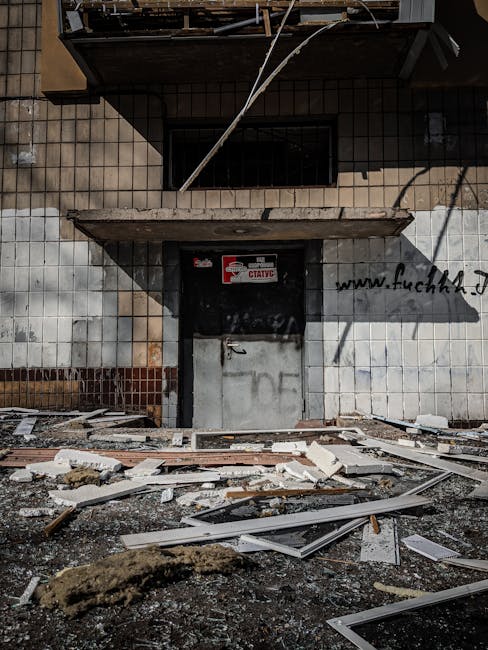
More recently, detailed analyses, including satellite imagery from companies like Planet Labs and reports compiled by intelligence and defense experts, have painted a far graver picture of the physical damage. These assessments indicate that multiple structures at Ain al-Assad, a critical base for US operations in the region, were directly hit and significantly damaged. Images showed destroyed aircraft hangars, barracks, maintenance facilities, and even command-and-control structures. Several areas were visibly reduced to rubble, suggesting the precise targeting capabilities of Iranian missiles and the intensity of the bombardment.
Experts examining these reports suggest that the destruction was not superficial. The hits targeted vital operational infrastructure, which is complex and expensive to replace. Rebuilding these facilities would entail not just construction but also the reinstallation of advanced communication systems, air defense units, and logistical support networks. The sheer scale of reconstruction required, coupled with the need for enhanced defensive measures against future attacks, underpins the estimates of repair costs stretching into the billions, making it a substantial financial undertaking for the US military.
Billions in Repairs: A Diplomatic and Financial Calculus
The estimated multi-billion dollar repair bill for US bases in Iraq underscores a multi-faceted challenge for Washington. Financially, it represents a significant, unforeseen expenditure on top of existing defense budgets. Strategically, the damage exposes vulnerabilities in US forward operating bases and raises questions about the efficacy of existing defenses against sophisticated ballistic missile attacks. Moreover, it provides Iran with a narrative of having successfully inflicted tangible costs on its adversary, potentially bolstering its regional standing.
For India, a nation with deep historical and economic ties to the Middle East, these developments carry considerable weight. India imports a significant portion of its energy requirements from the Gulf, making the stability of the Strait of Hormuz and broader regional peace paramount. Any prolonged conflict or instability directly translates to increased oil prices and potential disruptions to trade routes, impacting India’s economy and inflation. Furthermore, the substantial Indian diaspora residing in the Gulf countries faces heightened risks during periods of geopolitical tension, necessitating robust contingency plans and diplomatic engagement.
The prospect of the US committing billions to rebuild and reinforce its presence further cements the perception of a long-term American engagement in a volatile region. This could sustain the current state of heightened alert, making de-escalation more challenging.
As Dr. Alok Sharma, a Delhi-based geopolitical analyst, observed, “These figures, if confirmed, highlight not just the physical destruction but also the strategic cost of such engagements. Rebuilding trust and infrastructure in a hostile environment adds layers of complexity that go beyond mere dollars, impacting long-term regional stability, and subsequently, India’s strategic calculations for its western neighbourhood.” India consistently advocates for dialogue and de-escalation, understanding that its economic interests and the welfare of its citizens are inextricably linked to peace in the Middle East.
Conclusion
The emerging reports detailing extensive damage and multi-billion dollar repair costs for US bases in Iraq after the Iranian strikes are a stark reminder of the financial and strategic consequences of military confrontations. Far from being a mere symbolic act, the Iranian retaliation appears to have inflicted significant material damage, compelling the US to undertake a massive reconstruction effort. For India, these developments reinforce the urgent need for a stable and peaceful Middle East. As a major stakeholder, India continues to monitor the situation closely, advocating for diplomatic solutions to avert further escalation and safeguard its economic, energy, and human interests in a region that remains critical to its national prosperity.

