


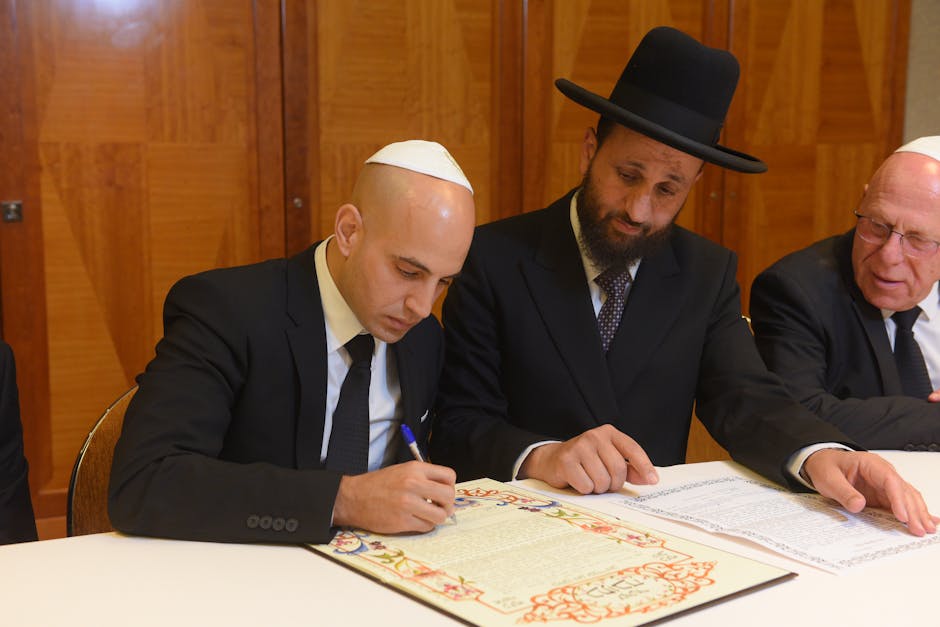
India, a land celebrated for its incredible diversity, often surprises with its hidden communities and ancient lineages. Amidst the myriad cultures and religions that call this subcontinent home, there exists a unique group in the northeastern states who claim an extraordinary heritage: descent from one of the Ten Lost Tribes of Israel. These are the Bnei Menashe, a community whose generations-long dream of returning to their ancestral land in Israel is steadily becoming a reality.
For centuries, the Bnei Menashe lived in relative isolation, primarily in the states of Mizoram and Manipur. Their story is a fascinating blend of ancient lore, persistent faith, and a modern-day journey of homecoming that captures the imagination. As Israel actively facilitates their aliyah – the Hebrew term for immigration to Israel – the world is taking notice of this remarkable Indian community.
The Echoes of a Lost Tribe: Who Are the Bnei Menashe?
The Bnei Menashe, meaning “Children of Manasseh,” believe themselves to be descendants of Manasseh, one of the sons of Joseph, whose tribe was exiled from the ancient Kingdom of Israel by the Assyrian Empire over 2,700 years ago. Their oral traditions speak of a perilous journey through Persia, Afghanistan, and China, eventually settling in the remote hills of Northeast India. While their neighbours adopted various local religions, the Bnei Menashe, primarily from the Mizo and Kuki tribes, maintained distinct customs that they believe are remnants of their Israelite past.
These customs include observing a Sabbath similar to the Jewish Shabbat, celebrating festivals reminiscent of Passover and Sukkot, and adhering to dietary laws that parallel kosher practices. Their spiritual leaders passed down these traditions, often incorporating local influences over millennia. It was only in the late 20th century that their claims began to gain significant attention from the wider Jewish world, largely through the efforts of organisations like Shavei Israel, which works to locate and assist lost Jewish communities.
From Mizoram and Manipur to the Holy Land
Life for the Bnei Menashe in Northeast India was marked by integration into the local social fabric while holding onto their unique identity. Many converted to Christianity under the influence of missionaries in the 19th and 20th centuries, yet a strong undercurrent of their ancestral traditions persisted. The yearning for Zion, for the biblical land of Israel, remained a powerful spiritual force, often expressed in their songs and communal prayers.
The formal recognition of the Bnei Menashe as a “lost tribe” by Israel’s Chief Rabbinate in 2005 marked a turning point. This recognition, based on their enduring traditions and a rabbinic consensus, paved the way for their aliyah under Israel’s Law of Return. However, the process is not without its requirements. To be fully accepted as Jews and Israeli citizens, the Bnei Menashe undergo a formal conversion to Orthodox Judaism upon arrival in Israel or before their emigration, a testament to their deep commitment to reclaiming their heritage.
Speaking about the profound significance of this journey, one Bnei Menashe member, contemplating his move from Manipur, reportedly said, “For generations, our elders spoke of our true home. To finally walk on the land of our ancestors is not just migration; it is the fulfillment of a divine promise.”
Thousands have already made this journey, settling in various communities across Israel, where they are learning Hebrew, integrating into Israeli society, and contributing to the nation. The transition is significant, involving adaptation to a new language, culture, and climate, yet it is undertaken with an overwhelming sense of purpose and belonging.
The Aliyah: A Continuous Journey of Reconnection
The aliyah of the Bnei Menashe is an ongoing process, with hundreds more expected to make the move in the coming years. Organisations like Shavei Israel continue to facilitate their immigration, providing support for religious education, travel logistics, and initial integration in Israel. This effort represents a unique chapter in the narrative of both India’s diverse tapestry and Israel’s historical mission to gather its dispersed people.
For India, the Bnei Menashe are a testament to its incredible capacity to host and nurture distinct cultures and beliefs. For Israel, their return is a powerful affirmation of its spiritual connection to ancient history and the enduring bonds that unite Jewish people worldwide. The Bnei Menashe story is more than just immigration; it is a profound journey of self-discovery, faith, and the enduring human spirit’s quest for belonging, echoing across millennia from the hills of India to the ancient land of Israel.

