


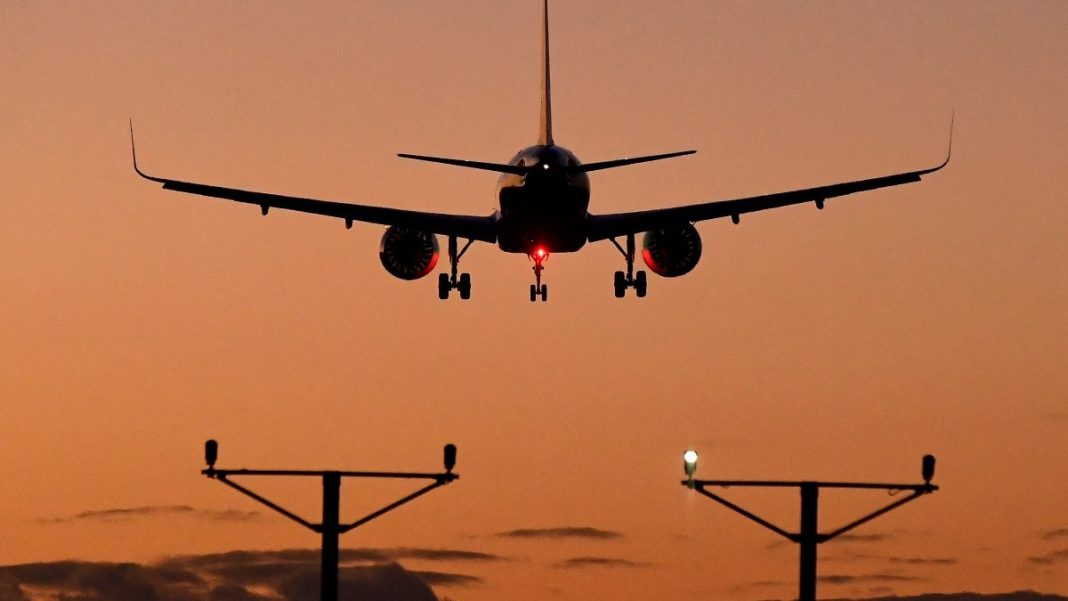
In a significant development signalling a cautious return to normalcy, Iran has resumed commercial flight operations from Tehran’s Imam Khomeini International Airport (IKIA), marking the first time such flights have been fully operational since a recent period of heightened regional tensions and security concerns. This move is being closely watched globally, particularly in India, for its potential implications on regional stability, trade, and travel connectivity.
The announcement comes after a phase where air travel to and from the Iranian capital was severely disrupted or halted due to escalating geopolitical events and security measures. For many, the sight of commercial aircraft once again taking to the skies from Tehran is not just about transportation; it symbolises a tentative step back from the brink for a region often caught in complex geopolitical currents.
A Resumption Laden with Hope
The resumption of commercial flights, particularly from IKIA, Tehran’s primary international gateway, is more than just a logistical update. It reflects a deliberate decision by Iranian authorities to re-engage with global air networks, fostering a sense of routine and stability for its citizens and the wider international community. During the period of disruption, travel plans were thrown into disarray, businesses faced logistical nightmares, and families endured anxieties about connectivity.
Sources within the Iranian aviation sector indicated that the initial phase of resumed operations would focus on key regional routes before gradually expanding to broader international destinations. This phased approach suggests a careful strategy, balancing the need for re-establishing connectivity with ongoing security assessments. The move is expected to alleviate pressure on alternative travel routes and provide much-needed relief to expatriates, business travellers, and those with family ties in Iran.
For an Indian perspective, reliable air connectivity with Iran is crucial. India shares historical and economic ties with Iran, and the smooth flow of people and goods is vital for various sectors, including trade, energy, and cultural exchange. Indian citizens residing in or travelling through Iran will particularly welcome this restoration of services, ensuring safer and more predictable travel options.
Economic and Regional Implications
The revival of commercial air travel from Tehran has significant economic implications for Iran and its regional partners. Air travel is a critical enabler of trade, tourism, and foreign investment. By reopening its airspace and airports to commercial traffic, Iran signals its readiness to reintegrate into the global economy, albeit under prevailing international sanctions and political pressures.
Increased air connectivity can bolster Iran’s struggling tourism sector, which holds immense potential given the country’s rich cultural heritage. Furthermore, it facilitates business travel, crucial for nurturing trade relationships, including those with India. While direct flight routes might take time to fully normalize, the very act of resumption sends a positive signal to potential investors and trading partners about improving stability.
From an Indian standpoint, a stable and connected Iran is beneficial for regional trade routes, particularly regarding access to Central Asia and Afghanistan via the Chabahar Port. Enhanced air links complement sea routes, creating a more robust logistical network that can contribute to India’s regional economic ambitions. The flow of goods and services is directly tied to efficient transportation, and air cargo services, once fully restored, will provide a faster alternative for high-value items.
Navigating Future Skies: Challenges and Opportunities
While the resumption of flights is a welcome development, the path ahead for Iran’s aviation sector is not without challenges. Geopolitical tensions in the region remain intricate, and sustained stability will be crucial for long-term confidence. International airlines will also need assurances regarding security and operational reliability before fully committing to routes involving Tehran.
Speaking on the broader implications, Dr. Meena Sharma, a geopolitical analyst based in Mumbai, commented, “This step by Iran is a vital indicator of a desire for de-escalation and normalisation. For countries like India, it means greater predictability in a volatile region, which is essential for our strategic and economic interests. However, true long-term stability will hinge on sustained diplomatic efforts and a reduction in regional flashpoints.” Her words underscore the cautious optimism surrounding this development.
Iran’s ability to maintain these operations, attract international carriers, and ensure passenger confidence will depend on various factors, including the global political climate, fuel prices, and its domestic economic situation. Nevertheless, the reopening of Tehran’s skies marks a hopeful inflection point, suggesting that despite persistent regional complexities, the desire for connectivity and economic revival remains a powerful driving force.
As the first commercial flights depart and arrive, the international community, including India, will keenly observe whether this initiative paves the way for a more enduring period of peace and stability, transforming what was once a period of quietude into a renewed era of engagement and opportunity.

