


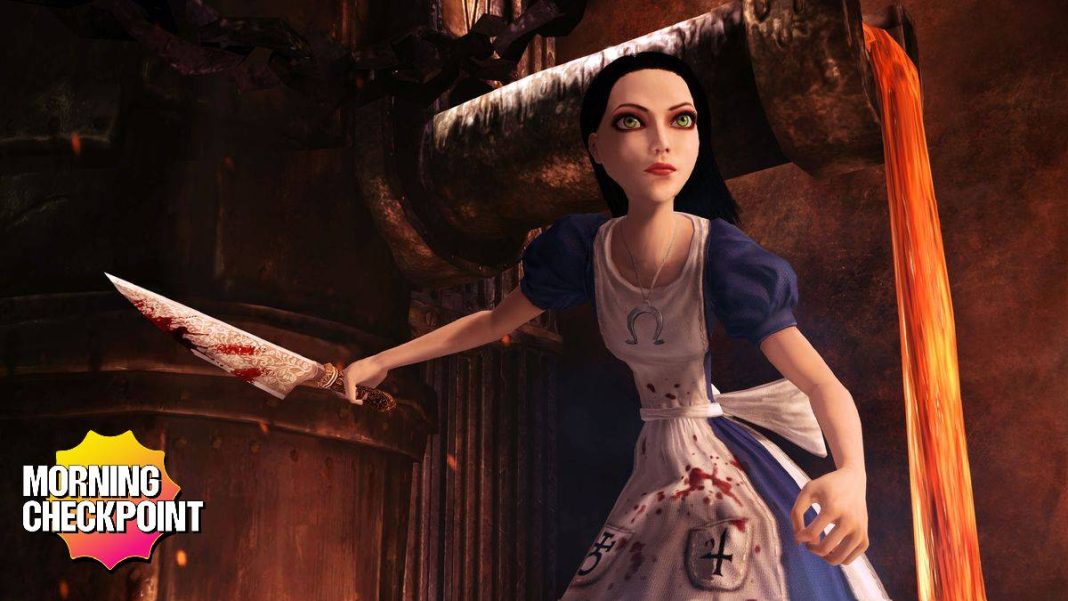
In the often-intense world of video game development, creative clashes between visionary studios and risk-averse publishers are legendary. But few tales are quite as bizarre, brilliant, and utterly unforgettable as the time the developers behind Alice: Madness Returns decided the only way to get Electronic Arts to back off their creative direction was to weaponize… dildos and a snail.
This isn’t some urban legend from the dark corners of the internet; it’s a genuine anecdote from American McGee, the mind behind the darkly twisted Alice games and founder of Spicy Horse. It’s a story that perfectly encapsulates the friction between artistic integrity and corporate oversight, and it proves that sometimes, the most outlandish solution is the most effective.
The Creative Crucible: Alice vs. The Boardroom
Spicy Horse’s Alice: Madness Returns was never going to be a walk in the park. It was a sequel to a cult classic, diving even deeper into the psychological horror and grotesque beauty of Wonderland as seen through Alice Liddell’s broken mind. The game’s aesthetic was intentionally disturbing, laced with imagery that pushed boundaries – exactly what fans expected.
However, developing under a massive publisher like EA often means navigating layers of approvals, feedback loops, and creative compromises. EA, known for its broader, mainstream appeal, reportedly had a tendency to push for a “safer” vision. This led to persistent back-and-forths, with Spicy Horse constantly defending their dark, macabre design choices against suggestions that would dilute the game’s unique identity.
The friction wasn’t just about specific monsters or environments; it was about the fundamental tone. Spicy Horse wanted to embrace the madness, the visceral horror, and the psychological depth that defined Alice’s world. EA, from a business perspective, might have been wary of anything that could alienate a wider audience or cause controversy. This constant creative tug-of-war was undoubtedly frustrating for the developers, who were pouring their hearts into crafting a singular experience.
The Snail, The Dildos, and The Eureka Moment
The breaking point came, as it often does, over seemingly minor details that nonetheless represented a larger struggle for creative control. Tired of endless revisions and arguments over the “darkness” or “suitability” of their game assets, American McGee and his team devised a truly audacious strategy. They needed to make EA stop questioning their designs, and they needed to do it in a way that left no room for further debate.
The solution? Present EA with something so utterly outlandish and unacceptable that their original, genuinely dark but artistically coherent designs would suddenly seem tame by comparison. The chosen vehicle for this bold maneuver was a seemingly innocuous snail creature from the game. An artist on the team took the 3D model of the snail and, with gleeful rebellion, adorned it with an array of realistically textured dildos.
Imagine the scene: a conference call, a presentation of new assets, and then – boom – a snail covered in phallic symbols. The reaction from the EA representatives was, predictably, one of stunned silence, followed by uncomfortable questions. The message, however, was crystal clear: this is what happens when you push us too far. This is unacceptable. And suddenly, the original “too dark” assets looked perfectly reasonable and artistically justified.
“It was a stroke of genius, really,” mused one long-time industry observer. “Sometimes you have to speak a language publishers understand – and apparently, that language is ‘shock and awe’ mixed with phallic mollusks.’ It’s a testament to how far developers sometimes have to go to protect their artistic vision.” The strategy worked: the dildo-snail was never intended for the game, but its shock value silenced EA’s micromanagement, allowing Spicy Horse to pursue their original creative direction for Alice: Madness Returns with far less interference.
This legendary tale from the making of Alice: Madness Returns isn’t just a funny anecdote; it’s a profound commentary on the often-strained relationship between creative development and corporate publishing. It highlights the lengths to which artists will go to protect their vision and, in this unique case, how a bit of absurdity can be the most powerful tool in the fight for artistic freedom. It’s a reminder that sometimes, to get people to understand what you truly want, you first have to show them what you absolutely, unequivocally do not.
—

