


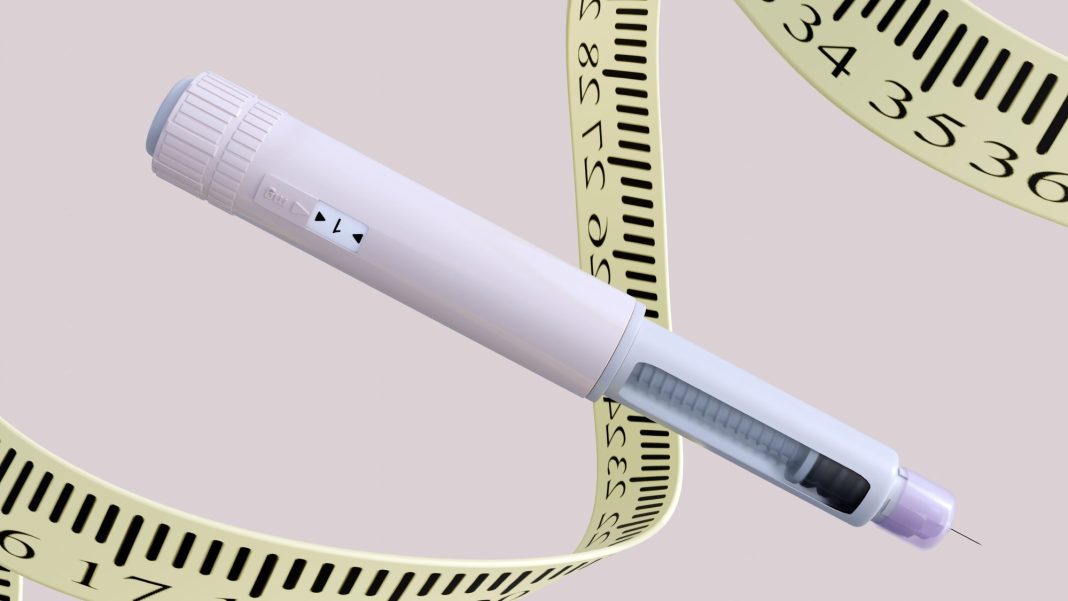
GLP-1 medications, like Ozempic and Wegovy, are undeniably reshaping the landscape of weight management, offering hope and tangible results to millions. Yet, beneath the surface of medical advancement, a curious and somewhat concerning social dynamic is emerging: a heightened, often unkinder, scrutiny directed at those utilizing these powerful tools. It appears that while we applaud successful weight loss, our collective response to the method is rapidly evolving, leading to a phenomenon where people are significantly tougher on weight loss when GLP-1 drugs are involved.
The Shifting Goalposts of Effort
For decades, the narrative around weight loss has been inextricably linked to willpower, discipline, and arduous effort through diet and exercise. This deeply ingrained cultural belief often leads to the perception that any weight lost outside of this traditional, perceived “struggle” is somehow less valid or “cheated.” When GLP-1 drugs enter the picture, which help regulate appetite, slow gastric emptying, and improve insulin sensitivity, they challenge this established narrative. The natural human tendency to seek fairness, even if misplaced, can lead to judgments.
There’s an undercurrent of skepticism, a silent questioning of whether the person “truly earned” their progress if a medication played a role. This can place an unfair burden on individuals who are already navigating complex health challenges. “It’s as if the moment a medication is involved, the personal grit and sustained effort — managing side effects, adhering to a new lifestyle, making healthier choices — are completely discounted,” observes Dr. Lena Hanson, a sociologist specializing in health behaviors. This perspective ignores the profound biological and psychological hurdles many face, hurdles that GLP-1s help to level, not eliminate.
Newfound Scrutiny and Social Pressure
The societal microscope seems to magnify when GLP-1 users are in focus. Not only is the perceived effort questioned, but there’s also an observable increase in unsolicited advice, judgment, and unrealistic expectations. Individuals who have lost weight with the aid of these drugs might face comments implying they’ve taken the “easy way out,” or even resentment from those who have struggled with weight loss through traditional means.
Furthermore, the expectation for perfection can become intense. If someone experiences a plateau, regains a small amount of weight, or chooses to indulge in a treat, the criticism can be far harsher than for someone not associated with medication-assisted weight loss. This scrutiny extends beyond just the initial weight loss phase; there’s an unspoken demand for continuous, flawless maintenance. This creates immense social pressure, adding another layer of complexity to an already personal and vulnerable journey. It’s a paradox: society celebrates thinness but often shames the journey to get there if it deviates from a narrow, traditional path.
As GLP-1 drugs become more prevalent, it’s crucial for society to evolve its understanding and empathy. Weight loss, regardless of the tools used, is a deeply personal health journey often fraught with challenges. Instead of imposing tougher judgments, we should foster an environment that celebrates improved health outcomes, respects individual choices, and recognizes the diverse paths people take towards well-being. The conversation needs to shift from policing methods to supporting individuals, fostering health, and embracing the nuances of modern medicine.

