


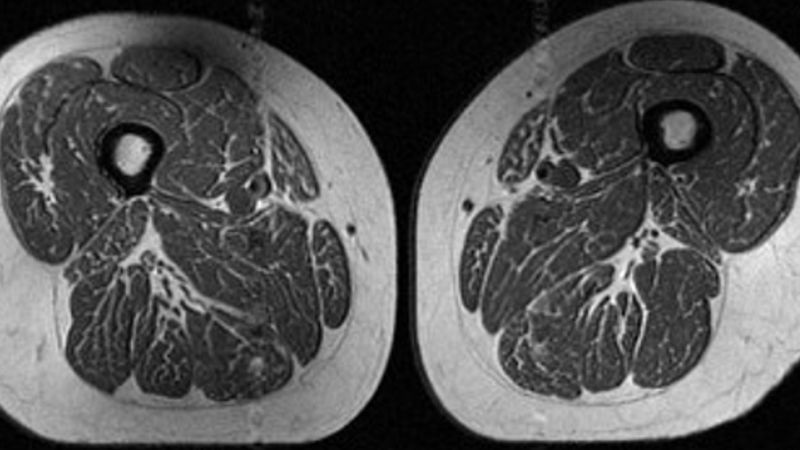
We’ve all been there: standing in front of the mirror, scrutinizing our reflection, wondering why certain areas of our body seem to defy our best efforts. We try to eat right, exercise, but sometimes, it feels like our thighs, hips, or stomach have a mind of their own, developing a softness, a certain “texture” that feels alien and frustrating. What if the culprit isn’t just “calories in, calories out,” but something far more insidious lurking in our everyday diet?
The Marbling Metaphor: What’s Really Happening?
The phrase “processed foods are making our thighs look like marbled steak” is provocative, isn’t it? But it holds a potent truth. We’re not talking about literally seeing fat streaks like a Wagyu cut. Instead, it’s a powerful metaphor for what happens to our body tissue – specifically, how fat gets stored and distributed, and how the quality of our muscle and connective tissue can change. Imagine the subtle, pervasive infiltration of unhealthy fat cells, not just beneath the skin, but interwoven within our muscle fibers, diminishing tone and firmness. This isn’t just aesthetic; it’s a profound shift in our body’s fundamental composition.
Processed foods are notorious for their concoction of refined sugars, unhealthy trans fats, highly processed vegetable oils, and a myriad of artificial additives. These ingredients are designed to be hyper-palatable, making us crave more, but they wreak havoc internally. Refined carbohydrates and sugars cause rapid spikes in blood glucose, leading to a cascade of insulin release. Over time, this constant insulin surge promotes fat storage, particularly around the midsection, hips, and yes, the thighs. Meanwhile, the inflammatory omega-6 rich oils and trans fats found in many packaged snacks and meals contribute to cellular damage and inflammation, further encouraging fat deposition and hindering the body’s ability to burn fat effectively.
Think about it: a diet rich in these items isn’t just adding calories; it’s actively remodeling your body from the inside out. Your body isn’t just getting fatter; its very structure and texture are changing, becoming less dense, less toned, and more prone to the kind of soft, yielding quality we associate with marbled meat.
Beyond the Mirror: A Deeper Health Story
While the aesthetic changes might be what draws our initial attention, the “marbling effect” is a loud symptom of a much deeper, more concerning health narrative. This isn’t just about how your clothes fit; it’s about what’s happening at a cellular level, impacting your overall wellness and vitality.
The constant assault of processed ingredients contributes to chronic, low-grade inflammation throughout the body. This inflammation is a known precursor to a host of modern health challenges, including insulin resistance, metabolic syndrome, heart disease, and even certain autoimmune conditions. The fat stored from these foods, especially visceral fat around organs, is metabolically active and releases inflammatory compounds, perpetuating a vicious cycle.
Furthermore, processed foods are often stripped of essential nutrients – vitamins, minerals, fiber, and beneficial phytonutrients – that are crucial for healthy metabolism, cellular repair, and hormone balance. Your body might be getting plenty of calories, but it’s starving for genuine nourishment, leading to cravings and a feeling of constant hunger despite adequate intake. As Maria, a certified nutritional coach, aptly puts it: “It wasn’t until I truly understood the inflammatory impact of processed sugars and unhealthy fats that I realized my body wasn’t just accumulating fat; it was in a constant state of stress, leading to a noticeable change in its texture and density, especially around my thighs and glutes. It’s a sign of deeper metabolic distress, not just a cosmetic issue.”
Understanding this deeper connection empowers us. Our bodies are incredibly resilient and capable of healing. By making conscious choices to reduce our reliance on processed foods and embrace whole, nutrient-dense options, we can begin to reverse these effects. It’s about nurturing our bodies from the inside out, improving not just how we look, but how we feel and function every single day. Let’s choose to nourish our bodies, not marble them.

