


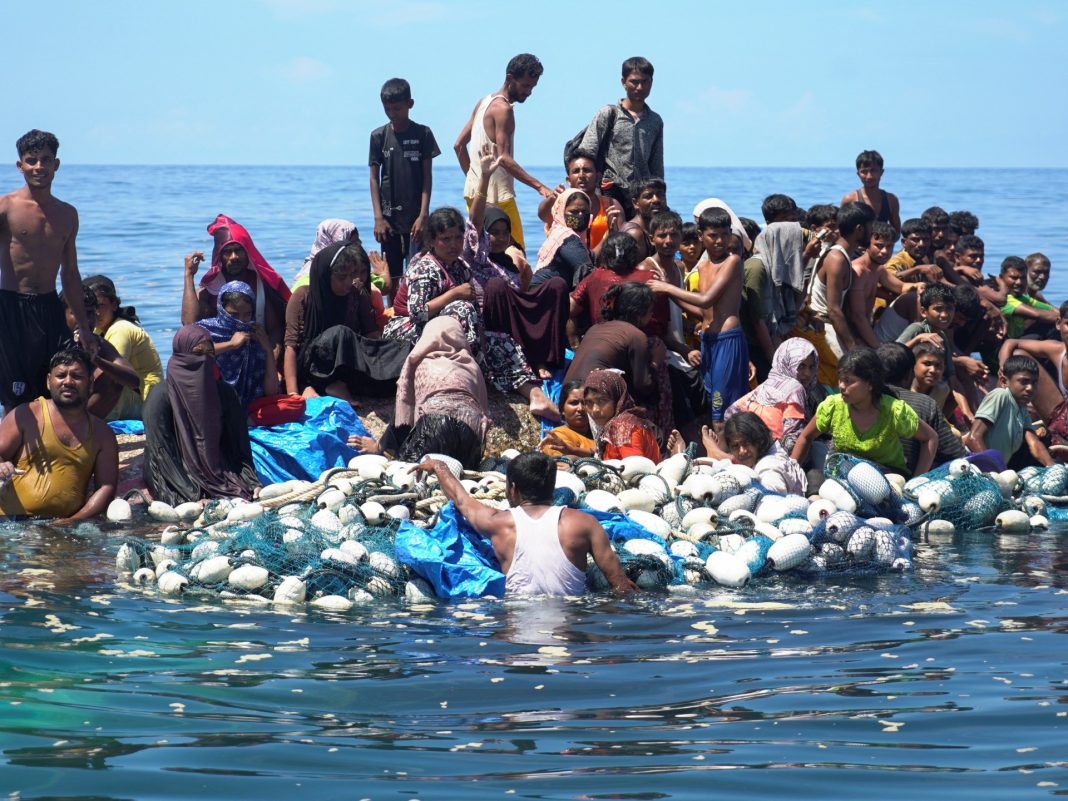
The perilous waters of the Andaman Sea have once again become a scene of profound tragedy, with the United Nations reporting that hundreds of Rohingya refugees are feared missing after their overcrowded boat capsized. This devastating incident underscores the desperate measures taken by the Rohingya, a persecuted minority, in their quest for safety and a better life, often leading to fatal consequences in their treacherous journey across international waters.
The Perilous Journey Across the Andaman Sea
The exact details surrounding the capsized vessel remain grim and largely unconfirmed beyond the initial alert. According to the UN Refugee Agency (UNHCR), the boat, believed to be carrying approximately 200 Rohingya individuals, including women and children, lost contact days ago. The vessel reportedly departed from Bangladesh, navigating the dangerous routes towards Southeast Asian nations, a common but perilous trajectory for those fleeing the dire conditions in refugee camps. Reports suggest the boat may have been at sea for several weeks, running critically low on food and water, before succumbing to the harsh maritime conditions.
The Andaman Sea, a marginal sea of the eastern Indian Ocean, is notorious for its challenging currents and unpredictable weather, especially during certain seasons. For Rohingya refugees, who often travel in flimsy, unseaworthy vessels, this journey is a gamble against nature and human exploitation. These voyages are frequently orchestrated by human traffickers, who charge exorbitant fees and often abandon their passengers to fend for themselves once at sea. The proximity of the Andaman Sea to India’s own Andaman and Nicobar Islands highlights the regional nature of this crisis, impacting maritime security and humanitarian concerns across the Bay of Bengal and beyond.
A Recurring Humanitarian Catastrophe
This latest tragedy is not an isolated incident but a grim reminder of the recurring humanitarian crisis faced by the Rohingya. For decades, the Rohingya have endured systematic discrimination and violence in Myanmar, leading to mass exoduses. The most significant influx occurred in 2017 when over 700,000 fled to Bangladesh, joining hundreds of thousands already displaced. Despite international efforts, durable solutions remain elusive, compelling many to risk their lives at sea.
The UNHCR has issued an urgent appeal to regional governments, including India, to launch immediate search and rescue operations. “Every passing hour diminishes the hope for survivors,” stated Indrani Mukherjee, a senior UNHCR spokesperson for the region. “This is a desperate situation, and the international community, alongside regional powers, must act swiftly and collaboratively to prevent further loss of life. These are human beings, seeking refuge from unimaginable circumstances, and they deserve our collective empathy and action.”
The lack of coordinated search and rescue mechanisms in the Andaman Sea and surrounding waters often leaves capsized boats and stranded refugees at the mercy of the elements. Even when vessels are spotted, the legal complexities of maritime jurisdiction and responsibility can delay crucial rescue efforts, turning potential rescues into recovery missions. India, as a significant maritime nation in the Indian Ocean, has previously engaged in humanitarian assistance and disaster relief operations in the region, underscoring its potential role in such crises.
The Broader Regional Implications
The ongoing plight of the Rohingya, marked by these dangerous sea voyages, poses significant challenges for regional stability and international cooperation. Countries in Southeast Asia and South Asia, including India, are directly or indirectly affected by the waves of refugees. While India has extended humanitarian aid to Rohingya refugees in the past, its stance on undocumented migrants remains complex, balancing national security concerns with humanitarian obligations. The recurring nature of these incidents places immense pressure on coastal nations for maritime surveillance, interception, and rescue.
Beyond the immediate tragedy, the capsizing highlights the critical need for a more robust and humane approach to the Rohingya crisis. This includes addressing the root causes of their displacement in Myanmar, ensuring better conditions and opportunities in refugee camps, and establishing safer, legal pathways for asylum seekers. Without these fundamental changes, the Andaman Sea will likely continue to bear witness to such heartbreaking losses, serving as a stark reminder of humanity’s collective failure to protect its most vulnerable.
The reported capsizing of the Rohingya refugee boat in the Andaman Sea, with hundreds feared missing, is a stark and painful illustration of an enduring humanitarian tragedy. It calls for immediate and concerted action from regional governments and the international community to enhance search and rescue efforts and, more importantly, to seek lasting solutions for the Rohingya people. The human cost of inaction is immeasurable, and the waters of the Andaman Sea continue to silently chronicle the desperate struggles for survival.

