


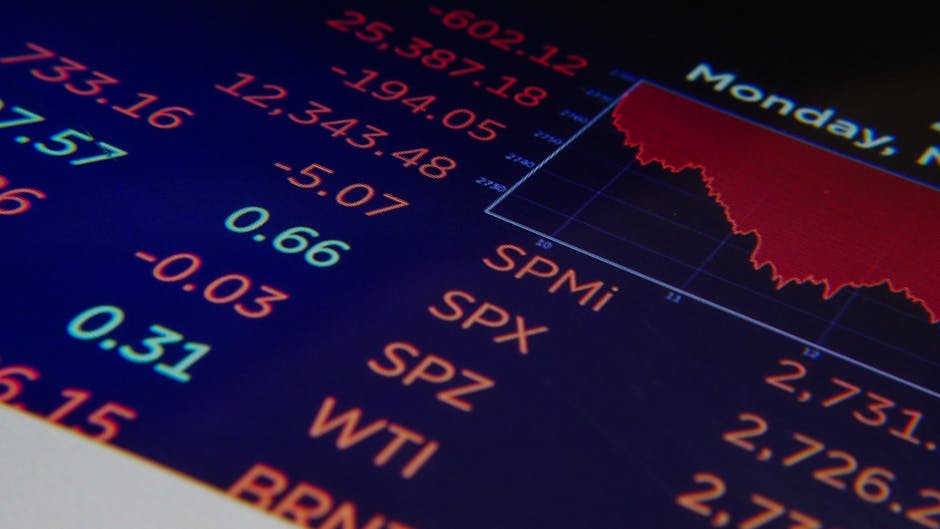
There are numbers in the market that aren’t just figures on a screen; they’re psychological milestones, invisible lines drawn in the sand that trigger collective sighs of relief or groans of despair. For a while now, $100 a barrel for oil has been one such marker. It represented a ceiling, a symbol of high inflationary pressures, and a heavy weight on wallets everywhere. Now, as the price has dipped below that significant threshold, it feels like the global conversation around energy, economics, and our collective future is about to get a whole lot more interesting.
The Shifting Sands Beneath the Rig
It wasn’t long ago that oil prices seemed to be on an unstoppable upward trajectory. Geopolitical tensions, a resurgence in demand following global lockdowns, and constrained supply created a perfect storm, pushing the black gold well past the $100 mark and even flirting with much higher figures. The narrative was one of scarcity and burgeoning demand, painting a challenging picture for consumers and businesses alike.
Yet, markets are rarely static. The forces that propelled oil upwards are now being challenged by a different set of anxieties. Fears of a looming global economic slowdown, potential recessions in major economies, and a slight softening of demand are now taking center stage. Suddenly, the focus has shifted from “where will prices stop?” to “how low can they go?” This pivot isn’t just about immediate supply and demand; it’s about the market’s forward-looking gaze, attempting to price in what might come next. It’s a complex dance between current realities and projected futures, and right now, the music seems to be signaling caution.
More Than Just a Barrel: The Economic Ripple
The price of oil isn’t confined to commodity trading screens; it’s a fundamental input cost that ripples through nearly every aspect of our lives. When oil climbs, so does the cost of transportation, manufacturing, and ultimately, consumer goods. A dip below $100, therefore, offers a glimmer of hope for a broad spectrum of economic players.
For individuals, this could translate into less pain at the pump, freeing up disposable income that has been steadily eroded by persistent inflation. For businesses, particularly those reliant on logistics and raw materials, the prospect of lower energy costs is a welcome respite. “My freight costs have been brutalizing my margins for months,” shared Maria Rodriguez, who runs a regional distribution company. “Any relief in oil prices means I can finally breathe a little and maybe even pass some savings onto my customers. It makes a huge difference to small operations like mine.”
However, this dip also carries a dual message. While it offers relief from inflationary pressures, it simultaneously serves as a potential indicator of weakening global economic activity – the very reason demand might be softening. This creates a delicate balancing act for policymakers, who must weigh the benefits of lower energy costs against the implications of a slower economy. The discussions brewing now aren’t just about fuel prices; they’re about navigating the tricky currents of global recession fears, interest rate hikes, and the overall health of the world’s financial systems.
The Road Ahead: A Dialogue of Uncertainties
The $100 mark for oil is more than just a momentary blip; it’s a potent catalyst for renewed conversations across boardrooms, government chambers, and kitchen tables. What does this mean for future investment in energy infrastructure, both fossil fuels and renewables? How will major oil-producing nations respond to potentially shrinking revenues? And what strategies will central banks employ to combat inflation if lower oil prices provide temporary relief but economic stagnation looms?
These are the core questions shaping the ongoing dialogue. The market is effectively demanding more clarity, more foresight, and certainly more discussion from those who steer the global economy. As we look ahead, the volatility will likely persist, reflecting the deep uncertainties that define this moment. Staying informed, adaptable, and critically aware of these multifaceted discussions will be key for anyone hoping to navigate the evolving energy landscape.

