


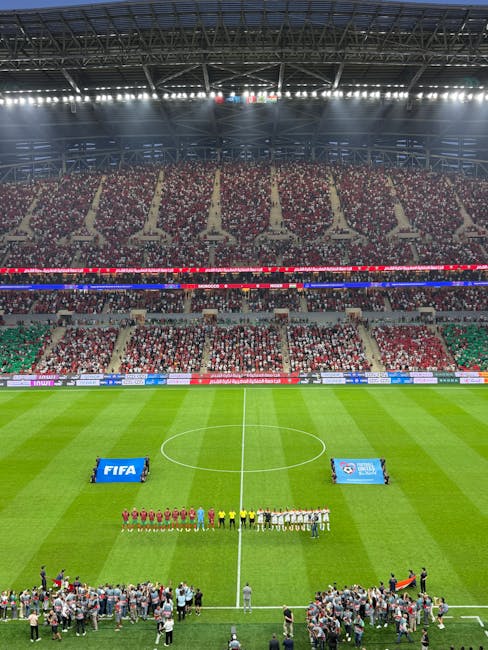
The global spectacle of the FIFA World Cup continues to captivate audiences worldwide, and India is increasingly becoming a focal point for the sport’s commercial growth. Recent reports suggest that FIFA is nearing a broadcasting rights deal for the 2026 World Cup in India, valued at a substantial USD 30-35 million. This potential agreement marks a significant leap from previous cycles, underscoring India’s burgeoning importance in the international sports broadcasting landscape and the growing appeal of football within the nation.
For context, the broadcasting rights for the 2022 FIFA World Cup in India were reportedly secured by Viacom18 for a figure around USD 18-20 million. The near doubling of this valuation for the 2026 edition reflects a confluence of factors, including India’s expanding digital ecosystem, increasing disposable incomes, and a rapidly growing, passionate football fanbase. As the world gears up for a tournament set to feature an expanded format with 48 teams across three host nations – the United States, Canada, and Mexico – the race for broadcast dominance in key markets like India is intensifying.
The Evolving Landscape of Indian Sports Broadcasting
India’s sports broadcasting sector has undergone a dramatic transformation over the past decade. Once primarily dominated by cricket, the market has diversified significantly, with other sports like football, kabaddi, and badminton gaining substantial traction. This shift is fueled by a blend of dedicated viewership, strategic marketing by broadcasters, and the rise of digital streaming platforms (OTT).
The potential USD 30-35 million valuation for the 2026 World Cup rights positions this deal as one of the most lucrative non-cricket sports properties in the Indian market. Major players such as Disney Star, Sony Pictures Networks India, and Viacom18 (JioCinema) are typically the frontrunners in such high-stakes bidding wars. Each entity brings its own strengths: Disney Star with its extensive linear TV presence and Hotstar OTT platform, Sony with a strong history in sports broadcasting and SonyLIV, and Viacom18/JioCinema with aggressive digital-first strategies and massive subscriber reach.
The battle for these rights is not merely about prestige; it’s about securing a massive advertising inventory and attracting millions of new subscribers. The expanded format of the 2026 World Cup means more matches, more broadcast hours, and consequently, more opportunities for advertisers to reach a diverse demographic. The deal will likely encompass both linear television and digital streaming rights, allowing for a hybrid approach that caters to India’s varied viewing habits, from traditional TV sets in rural homes to smartphones in urban centers.
India: FIFA’s Strategic Growth Market
FIFA’s strategy to command a higher valuation for its premier tournament in India is a testament to the country’s strategic importance in its global expansion plans. India, with its population exceeding 1.4 billion, presents an unparalleled market for sports consumption. While football may not rival cricket’s omnipresence, its appeal is deep-seated and growing, particularly among the youth and in regions like West Bengal, Kerala, Goa, and the North-East.
The growth of domestic leagues like the Indian Super League (ISL) has also contributed to a broader football culture, familiarizing audiences with the sport’s nuances and star players. The global appeal of footballing icons like Lionel Messi and Cristiano Ronaldo transcends geographical boundaries, drawing in casual viewers during mega-events like the World Cup. For FIFA, investing in the Indian market means tapping into a vast, largely untapped potential for fan engagement, merchandise sales, and future player development.
A senior media analyst, speaking on condition of anonymity, highlighted the significance of this valuation: “The proposed USD 30-35 million reflects FIFA’s acute understanding of India’s burgeoning media market and its increasingly passionate football audience. It’s no longer just a cricket nation; football, especially global tournaments, commands significant prime real estate in viewership and advertising budgets. Broadcasters are willing to pay a premium for properties that deliver high engagement and reach across both traditional and digital platforms.” This perspective underscores the evolving media landscape where digital reach is now as crucial as, if not more important than, linear television viewership.
The Road Ahead: Impact on Viewership and Revenue
Once the deal is officially struck, the focus will shift to how the successful bidder plans to leverage these rights. Expect innovative broadcast strategies, including multi-language commentary, interactive digital features, and extensive pre and post-match analysis. The goal will be to maximize viewership across all demographics and platforms, thereby justifying the substantial investment.
For Indian football fans, this likely means an enhanced viewing experience with greater accessibility. For broadcasters, it presents a golden opportunity to grow their subscriber base and command premium advertising rates. For the broader Indian sports economy, it signals a healthy appetite for diverse sporting content, driving further investment and potentially inspiring more youngsters to take up football professionally. The FIFA World Cup 2026 broadcasting deal in India is not just a financial transaction; it’s a barometer of the nation’s growing influence in the global sports arena, promising an exciting future for football enthusiasts across the subcontinent.
As the official announcement awaits, the anticipation among fans, broadcasters, and advertisers alike remains high, signaling a new chapter for football’s biggest spectacle in one of the world’s most dynamic markets.

