


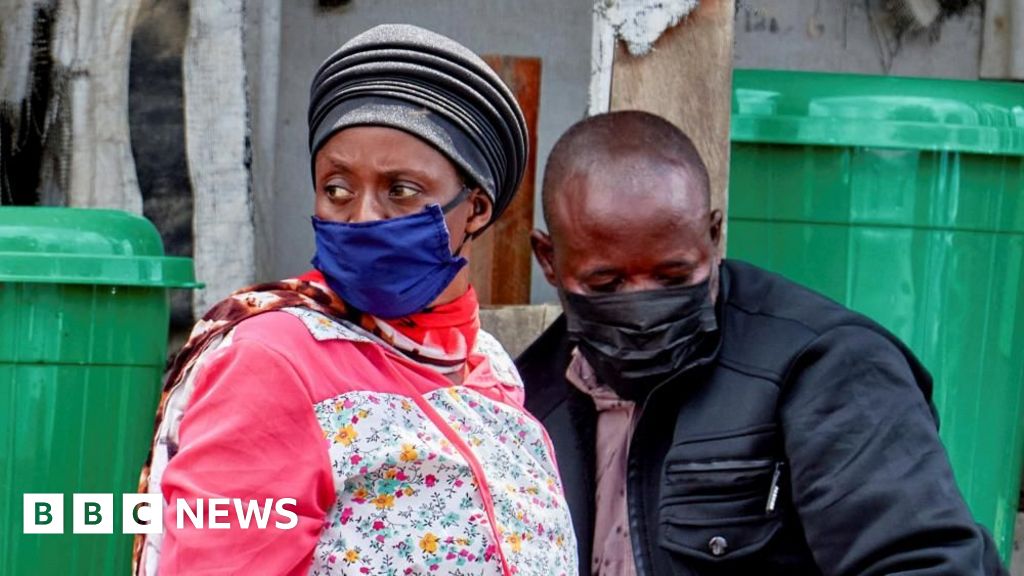
The announcement that the Ebola risk in the Democratic Republic of Congo (DRC) has been escalated to ‘very high’ sends a familiar shiver down the spine of public health officials and humanitarian organizations worldwide. For many, it’s a stark reminder of the persistent and complex challenges this region faces. But what does this heightened alert truly signify, and how should we interpret this grave news in a balanced light?
Understanding the Elevated Threat
A ‘very high’ risk assessment is not a declaration of defeat, but rather a critical recognition of the dynamic and precarious situation on the ground. It means that the conditions are ripe for rapid transmission, with significant potential for the disease to spread widely if not contained aggressively. The DRC, particularly its eastern provinces, has unfortunately become all too familiar with Ebola outbreaks. Factors contributing to this persistent threat include a vast and sometimes porous geography, population mobility, and, at times, insecurity that can hamper response efforts.
Ebola is a formidable adversary, known for its rapid progression and high fatality rate without swift intervention. The elevation of risk signals that health authorities are seeing indicators that demand maximum vigilance: perhaps a cluster of cases in a difficult-to-access area, challenges in contact tracing due to community resistance or displacement, or a potential strain on local healthcare infrastructure. It underscores that while vaccines and improved treatment protocols exist, the battle against Ebola remains intensely challenging, relying heavily on immediate detection and robust community engagement.
Community Resilience and Global Vigilance
Despite the somber news, it’s crucial to acknowledge the immense resilience of the communities in the DRC and the dedication of countless health workers. They have faced this threat repeatedly, developing invaluable experience and often leading the charge in prevention and response efforts. Local public health teams, often supported by international organizations, are well-versed in the protocols of rapid response, including contact tracing, safe burials, and community awareness campaigns. As one local health official remarked, “Every time Ebola returns, it tests our resolve, but it also strengthens our community’s ability to unite and fight back. We know what’s at stake, and we are not giving up.”
The ‘very high’ alert also mobilizes a global network of support. The World Health Organization (WHO), along with various NGOs and national governments, will intensify their efforts, providing resources, expertise, and vaccine doses. The lessons learned from previous outbreaks, particularly regarding community trust and engagement, are paramount. Building strong relationships with local populations is key to ensuring that health messages are heard, and necessary interventions are accepted, rather than met with suspicion.
The Delicate Balance of Containment
The path forward is a delicate balance of aggressive medical intervention, sustained humanitarian aid, and a deep understanding of the socio-cultural landscape. Containing Ebola isn’t just about medicine; it’s about communication, trust, and security. It means navigating regions where misinformation can spread faster than the virus, and where conflict can create logistical nightmares for aid workers trying to reach those most vulnerable. The ‘very high’ risk designation serves as a powerful call to action, demanding a holistic and coordinated response that addresses not only the immediate health crisis but also the underlying factors that contribute to its persistence.
While the news from the DRC is undoubtedly concerning, it is also an affirmation of the transparent and vigilant monitoring systems in place. This high alert is not a sign of inevitable catastrophe, but rather a proactive warning, urging maximum effort and attention from both local heroes and the international community. The fight against Ebola is ongoing, and while the risk is steep, so too is the determination to protect lives.
—

