


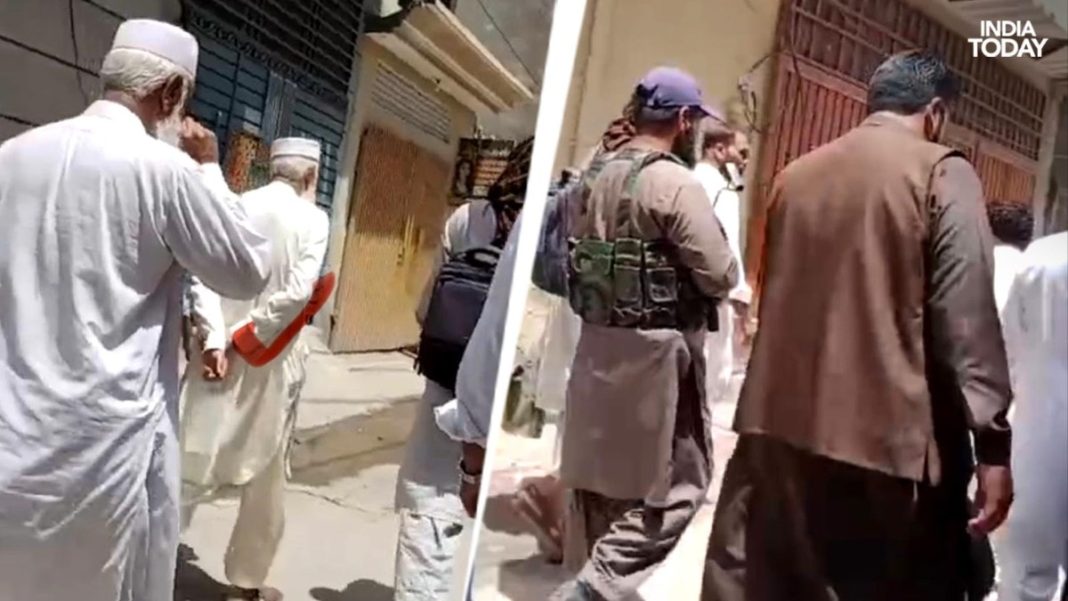
News from across the border has once again cast a stark light on the persistent threat of terrorism in the subcontinent. Reports detailing the funeral of the alleged mastermind behind the devastating 2019 Pulwama attack have sent ripples through security circles. The audacious display of solidarity witnessed, with top leaders from prominent proscribed terrorist outfits – including the chief of Hizbul Mujahideen and the supremo of Al-Badr – reportedly among attendees, represents a significant intelligence challenge. This convergence of high-value targets at a public gathering is a potent symbol of the enduring nexus among these groups, further underscoring the complexities of regional security.
A Conclave of Terror: The Funeral and its Attendees
The funeral, reportedly held in a region adjacent to India’s western border, was ostensibly for Mufti Bashir Khan, an individual widely believed to have played a pivotal role in orchestrating the Pulwama terror strike that claimed the lives of 40 CRPF personnel. While confirmation from independent sources remains challenging given the nature of cross-border operations, intelligence agencies have been meticulously tracking developments. What has particularly alarmed authorities is the high-profile attendance at this sombre event. Among those reportedly present were Syed Salahuddin, the supreme commander of the Hizbul Mujahideen and the chairman of the United Jihad Council, a conglomerate of various Pakistan-backed terrorist groups. His presence underscores the deep ideological and operational ties that bind these organizations.
The alleged attendance of the Al-Badr supremo was equally concerning, further solidifying the narrative of a united front among these entities. Al-Badr, another proscribed militant organization with a history of operating in Jammu & Kashmir, has often worked in tandem with larger groups, sharing resources and strategic objectives. The visual representation of these leaders congregating, even under the guise of a funeral, is a blatant demonstration of their collective defiance and a stark reminder of the permissive environment they often find across the border. Such gatherings serve not merely as farewells but as platforms for renewed pledges, strategic discussions, and potent recruitment drives, often glorifying extremist ideologies to a captive audience.
Implications for India’s National Security
The implications of such a high-profile gathering extend far beyond a mere condolence meeting. For India, it represents a multifaceted challenge to its national security apparatus. Firstly, it highlights the continued operational freedom enjoyed by these designated terrorists in neighbouring territories, despite international pressure and India’s consistent diplomatic efforts. The presence of globally sanctioned leaders like Salahuddin at a relatively public event raises questions about the effectiveness of global counter-terrorism mechanisms and the political will to enforce them.
Secondly, the convergence of different terror group leaders signals a potential for enhanced coordination and strategic alignment among them. In the past, fractured leadership or inter-group rivalries have sometimes offered operational advantages to security forces. A united front, however symbolic, could mean more sophisticated planning, resource sharing, and a concerted effort to reignite militancy, particularly in sensitive regions like Jammu & Kashmir. This collaboration poses a significant threat to internal security, potentially leading to an uptick in cross-border infiltration attempts and targeted attacks.
Furthermore, such events are carefully monitored by intelligence agencies for recruitment signals. The glorification of deceased terrorists and public appearances by prominent extremist figures act as powerful propaganda tools, inspiring radicalized youth. This underscores the perpetual need for robust intelligence gathering, effective border management, and strong community engagement to counter these narratives. The incident necessitates a renewed assessment of India’s counter-terrorism strategies and diplomatic engagements.
The Enduring Battle Against Terrorism
India has long been at the forefront of the global fight against terrorism, enduring decades of cross-border insurgency and targeted attacks. Events like the recent funeral serve as a stark reminder that this battle is far from over. The ideological roots of these groups run deep, fueled by narratives of grievance, separatism, and religious extremism, often sustained by external patrons. The Indian government, through its security forces and intelligence agencies, has implemented a multi-pronged approach encompassing robust counter-insurgency operations, enhanced border surveillance, and proactive intelligence-led actions.
However, the challenge persists. Despite significant successes in neutralizing terror modules and reducing infiltration bids, the ecosystem that nurtures and propagates terrorism continues to thrive in certain pockets. Diplomatic efforts, including pressuring international bodies and bilateral partners to act against state sponsors of terrorism, remain a critical component of India’s strategy. Yet, the brazen display at the funeral underscores the need for unwavering resolve and continuous adaptation.
“This isn’t just a funeral; it’s a statement,” commented a senior Indian security analyst, requesting anonymity. “It’s a defiant show of force and solidarity among disparate terror outfits, signaling an ongoing threat that demands perpetual vigilance and a comprehensive, multi-agency response, both kinetic and diplomatic.”
The gathering of top terror commanders at the funeral of the Pulwama attack mastermind serves as a chilling testament to the persistent threat confronting India. It highlights the operational audacity of these groups and the deeply entrenched nexus that allows them to thrive. While India remains committed to its comprehensive counter-terrorism strategy, this incident reinforces the imperative for enhanced intelligence sharing, stronger international cooperation, and an unwavering resolve to dismantle the infrastructure of terrorism wherever it exists. Lasting peace and security remain contingent on effectively neutralizing such threats.

