


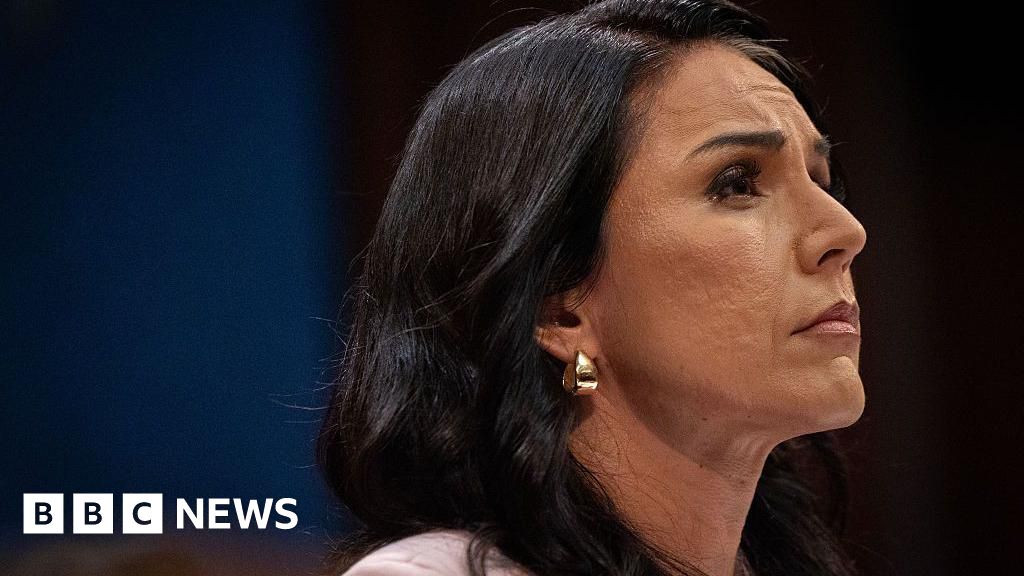
The intelligence community is buzzing with significant news this week as reports confirm Tulsi Gabbard is stepping down from her role as the Director of National Intelligence (DNI). Her departure, after a tenure marked by both praise and considerable scrutiny, sends ripples through Washington and raises immediate questions about the future leadership of the nation’s intelligence apparatus. This unexpected announcement signals a pivotal moment for national security and the ongoing evolution of intelligence gathering in a complex global landscape.
Gabbard’s Transformative Tenure at the Helm
Appointed to the DNI position with a unique background as a former U.S. Congresswoman and an Iraq War veteran, Tulsi Gabbard brought an unconventional perspective to the apex of the intelligence world. Her time in office was characterized by a push for what she often described as a more “holistic and threat-agnostic” approach to national security. Sources within the intelligence community suggest her leadership saw an increased emphasis on identifying and mitigating domestic threats, alongside a critical re-evaluation of long-standing foreign policy assumptions guiding intelligence operations.
Under her direction, there was reportedly a notable focus on enhancing cyber defense capabilities and streamlining inter-agency data sharing, aiming to create a more agile and responsive intelligence framework. While some of her policy directives sparked internal debate, her supporters lauded her commitment to transparency where possible and her insistence on intelligence being apolitical and solely data-driven. Her distinctive voice and willingness to challenge conventional wisdom often placed her in the national spotlight, carving out a memorable, albeit brief, chapter in the DNI’s history.
Reasons Behind the Departure and Future Implications
While official statements remain measured, speculation is rife regarding the precise reasons for Director Gabbard’s decision to step down. Reports suggest a combination of factors, ranging from the immense personal toll of leading such a demanding and critical agency to potential philosophical differences on strategic priorities with other key figures in national security. The intensity of the DNI role is famously grueling, requiring constant vigilance and navigating highly sensitive geopolitical dynamics.
The immediate task now falls to the White House to nominate a successor who can swiftly assume control and ensure continuity in intelligence operations. The choice will be crucial, signaling the administration’s future direction for national security. Many observers are weighing potential candidates with extensive experience in the intelligence community, while others suggest the administration might once again seek an outsider who brings a fresh perspective to the role.
Speaking on the news, Dr. Lena Khan, a geopolitical analyst, remarked, “This move, while surprising, isn’t entirely out of character for someone like Director Gabbard. She’s always been driven by principle, and perhaps her vision for the role eventually diverged from current realities or future strategic directions. Her successor will have enormous shoes to fill, not just in terms of managing operations, but also in navigating the evolving public trust in intelligence.”
Looking Ahead: A New Chapter for Intelligence and Gabbard
Tulsi Gabbard’s departure undoubtedly marks the end of a distinctive era for the Office of the Director of National Intelligence. Her time at the helm, while brief, prompted significant internal discussions and adjustments within the vast intelligence apparatus. As the nation anticipates a new DNI, the focus will be on maintaining stability, fostering innovation, and addressing the myriad of complex threats facing the United States.
For Gabbard herself, this step opens up numerous possibilities. Known for her strong public presence and political commentary, it’s widely expected that she will continue to be an influential voice on matters of national security, foreign policy, and public discourse. Whatever her next move, her influence on the national conversation, particularly concerning intelligence and defense, is unlikely to wane.

