


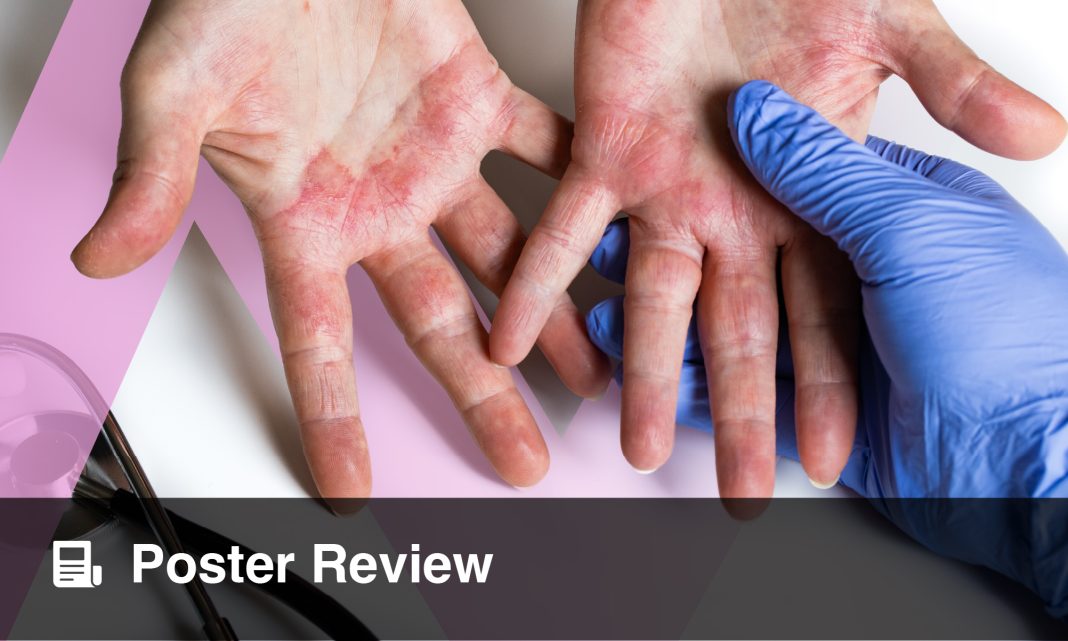
Atopic Dermatitis (AD), a chronic inflammatory skin condition, affects millions globally, including a significant population in India. While its impact can be widespread, certain areas of the body, termed “high-burden areas,” pose unique challenges for treatment and significantly diminish a patient’s quality of life. These include the face, neck, hands, feet, flexures (elbow and knee creases), and genital region. The delicate skin in these zones, coupled with constant exposure and high visibility, necessitates a nuanced approach to therapy. Understanding recent real-world evidence and clinical trial data is crucial for optimising treatment strategies and improving outcomes for Indian patients.
The Intricate Challenges of High-Burden Areas in Atopic Dermatitis
The skin in high-burden areas differs anatomically and physiologically from other body parts, making it particularly susceptible to the debilitating effects of AD. The facial skin, for instance, is thinner and more prone to irritation and hyperpigmentation, a significant concern for diverse Indian skin tones. Hand and foot eczema, often exacerbated by daily activities and environmental factors prevalent in India’s varied climates, can severely impair daily functioning and occupational productivity. Flexural areas are prone to sweating, friction, and secondary infections, while the genital region’s sensitivity requires extreme caution in treatment choices.
Traditionally, topical corticosteroids (TCS) and topical calcineurin inhibitors (TCIs) have been the mainstay. While effective, their long-term use in sensitive areas like the face and intertriginous zones raises concerns about side effects such as skin atrophy, telangiectasia, and hypothalamic-pituitary-adrenal (HPA) axis suppression. For many Indian patients, accessibility and affordability of these treatments, alongside a common fear of ‘steroids,’ often lead to suboptimal adherence and persistent disease activity. This backdrop underscores the urgent need for safer, more targeted, and effective therapies that can be sustained over time without significant adverse effects, particularly in a country with a large patient demographic.
Evolving Treatment Landscape: Real-World Evidence and Clinical Advances
Recent years have witnessed a paradigm shift in AD treatment, moving towards more targeted therapies. Clinical trials have provided robust data on their efficacy, which is increasingly being complemented by real-world evidence (RWE) – crucial for understanding how these treatments perform in diverse patient populations and healthcare settings, especially relevant in a heterogeneous country like India.
Topical Innovations: Beyond traditional options, newer topical agents are emerging as game-changers for high-burden areas. Phosphodiesterase 4 (PDE4) inhibitors like crisaborole, and topical Janus Kinase (JAK) inhibitors such as ruxolitinib cream, offer non-steroidal alternatives. Clinical trials have demonstrated their efficacy and safety for mild-to-moderate AD across various body sites, including the face and intertriginous zones, showing significant improvements in itch and lesion severity with a favourable side-effect profile. These agents provide a much-needed option for patients who cannot tolerate or respond to TCIs or require steroid-sparing treatments for sensitive skin areas.
Systemic Breakthroughs: For moderate-to-severe AD impacting high-burden areas, systemic therapies have revolutionised management. Biologic agents, primarily monoclonal antibodies targeting specific inflammatory pathways, have shown remarkable results. Dupilumab, targeting IL-4 and IL-13, has extensive trial data demonstrating significant clearance of facial and neck lesions, and substantial reduction in hand and foot eczema severity, with a generally well-tolerated safety profile. Newer biologics like tralokinumab (IL-13 inhibitor) are also expanding options. The introduction of oral JAK inhibitors (e.g., baricitinib, upadacitinib, abrocitinib) has further diversified the treatment landscape. These small molecules offer rapid and comprehensive improvement across all body areas, including the most challenging ones, as evidenced by their extensive clinical trial programmes. Their oral administration can be a benefit for patient adherence in certain contexts.
Real-world studies, including those emerging from India, are beginning to validate these findings, showing sustained improvements in diverse patient cohorts, often with comorbidities or previous treatment failures. These studies highlight the practical effectiveness of these advanced therapies in routine clinical practice, considering factors like patient adherence, logistical challenges, and treatment costs specific to the Indian healthcare system.
“For too long, patients with AD in sensitive areas faced limited options and significant distress. The advent of targeted therapies offers not just symptom relief, but a genuine improvement in their daily lives and mental well-being,” remarks Dr. Anya Sharma, a leading dermatologist from a prominent Delhi hospital, underscoring the transformative impact of these advancements.
Conclusion
The treatment of high-burden areas in atopic dermatitis has undergone a profound transformation. The synergistic insights from rigorous clinical trials and real-world evidence now provide dermatologists in India with an expanded armamentarium to tackle this challenging aspect of AD. From novel topical non-steroidal agents to highly effective systemic biologics and JAK inhibitors, the focus remains on achieving rapid symptom control, sustained remission, and critically, a significant improvement in the patient’s quality of life without compromising safety. As these advanced therapies become more accessible and integrated into clinical practice across India, the outlook for patients suffering from AD in high-burden areas is increasingly optimistic, paving the way for more personalised and effective care.

