


Quick Summary
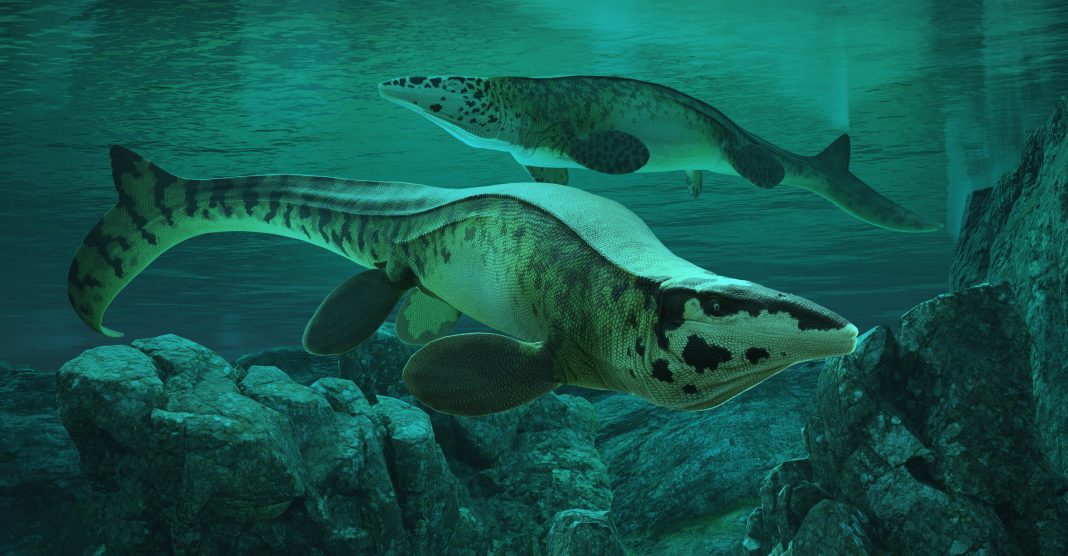
Palaeontologists in Texas have unearthed the fossil remains of a massive mosasaur, a formidable marine reptile, in what was once an ancient sea. This discovery is being hailed as a significant find, painting a clearer picture of prehistoric marine predators.
What Happened
Researchers recently announced the excavation of a colossal mosasaur, a predator often likened to the T. rex of the oceans. The fossil was discovered in a region of Texas known for its rich palaeontological heritage, dating back millions of years when the area was submerged under water, part of a vast inland sea.
Why It Matters
This extraordinary find offers invaluable insights into the biodiversity and predatory dynamics of ancient marine ecosystems. Understanding such apex predators helps scientists piece together the complex food webs and environmental conditions of bygone eras. As one researcher quipped, “Finding such a complete specimen helps us truly picture the might of these ancient sea monsters.” It also reinforces Texas’s importance in uncovering global prehistoric history.
Bottom Line
The emergence of this ‘sea T. rex’ from the Texan soil underscores the continued importance of fossil exploration in revealing Earth’s incredible prehistoric past and its diverse range of ancient inhabitants.

