


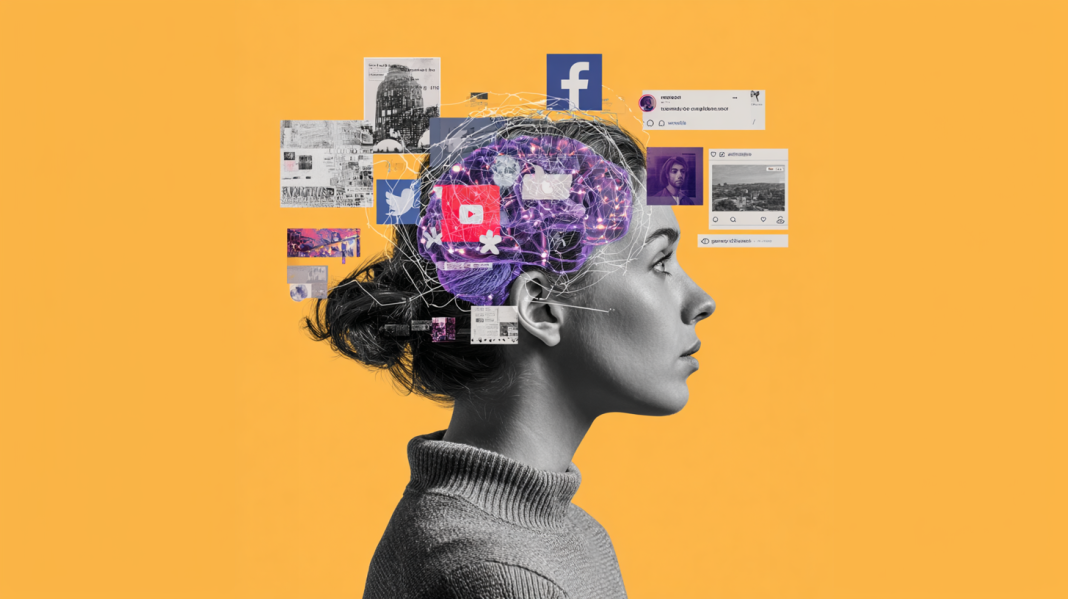
In India, the vibrant tapestry of daily life is increasingly interwoven with the digital threads of social media. From bustling metropolitan hubs to serene rural landscapes, platforms like Instagram, Facebook, and X (formerly Twitter) have become indispensable tools for connection, commerce, and content consumption. Yet, beneath this veneer of constant connectivity lies a growing apprehension regarding its cognitive and psychological repercussions. A recent study has brought this concern into sharp focus, suggesting a compelling solution: a mere two-week social media break could be enough to reverse years of what researchers term ‘brain rot,’ offering a potent antidote to digital overstimulation.
The Digital Deluge and Its Cognitive Toll
For many, the day begins and ends with a scroll. The relentless stream of notifications, short-form videos, and curated posts often cultivates a state of perpetual distraction. This constant demand on our attention has long been suspected of impacting our cognitive abilities. Traditional wisdom suggests that deep work, critical thinking, and sustained focus require uninterrupted engagement. However, the architecture of social media, designed for rapid-fire dopamine hits and fragmented interactions, actively undermines these processes.
Experts point to how this environment can lead to a phenomenon where our brains become less adept at sustained attention. The constant task-switching required to navigate multiple apps and notifications can diminish our capacity for single-minded focus. Over time, this fragmented attention span can affect memory retention, problem-solving skills, and even emotional regulation. For Indian youth, who often face immense academic and professional pressures, this digital environment adds another layer of complexity, potentially hindering their ability to concentrate on studies or develop robust analytical skills.
A Digital Detox: Reversing Years of “Brain Rot”
The study, which involved participants observing a complete moratorium on social media usage for two weeks, aimed to quantify the effects of such a break on cognitive function and well-being. Researchers observed remarkable improvements in various cognitive metrics among the detox group compared to a control group that maintained their regular usage patterns. Participants reported enhanced concentration, improved memory recall, and a significant reduction in feelings of anxiety and digital fatigue.
The term “brain rot”, though colloquial, aptly describes the cumulative effect of prolonged, uncritical social media consumption on our cognitive architecture. The study suggests that this decline is not irreversible. The brain, with its incredible neuroplasticity, demonstrates a remarkable ability to recover and adapt. By removing the constant barrage of digital stimuli, participants’ brains had the opportunity to reset, allowing deeper neural pathways associated with focus and critical thinking to reactivate and strengthen.
“Our findings suggest that the brain, much like a muscle, can recover its optimal function when given the necessary rest from constant digital demands,” explains Dr. Rohan Sharma, a cognitive neuroscientist commenting on similar research. “It’s not about abandoning technology entirely, but about cultivating mindful engagement and recognizing the importance of periods of digital quiet.”
Cultivating Mindful Digital Habits in India
For a nation as digitally connected as India, these findings offer crucial insights. The challenge isn’t merely to acknowledge the problem but to integrate solutions into daily life. Parents, educators, and even workplaces can play a pivotal role in fostering healthier digital habits. Encouraging designated “no-phone zones” during family meals, promoting offline hobbies, and advocating for digital sabbaticals are practical steps that can yield significant benefits.
The study doesn’t advocate for a complete withdrawal from social media, which has undeniable benefits for communication, education, and social cohesion. Instead, it underscores the importance of intentional breaks. Even a short, structured detox can provide the cognitive respite needed to sharpen focus, reduce stress, and reclaim mental clarity. As India navigates its digital future, understanding and acting upon these insights will be paramount for nurturing a generation that is not only technologically adept but also cognitively resilient.
The research serves as a powerful reminder that our relationship with technology is a choice. A deliberate pause, even for a brief fortnight, can be a profound step towards reversing cognitive fatigue and rediscovering a more balanced, focused self in an increasingly noisy digital world.

