


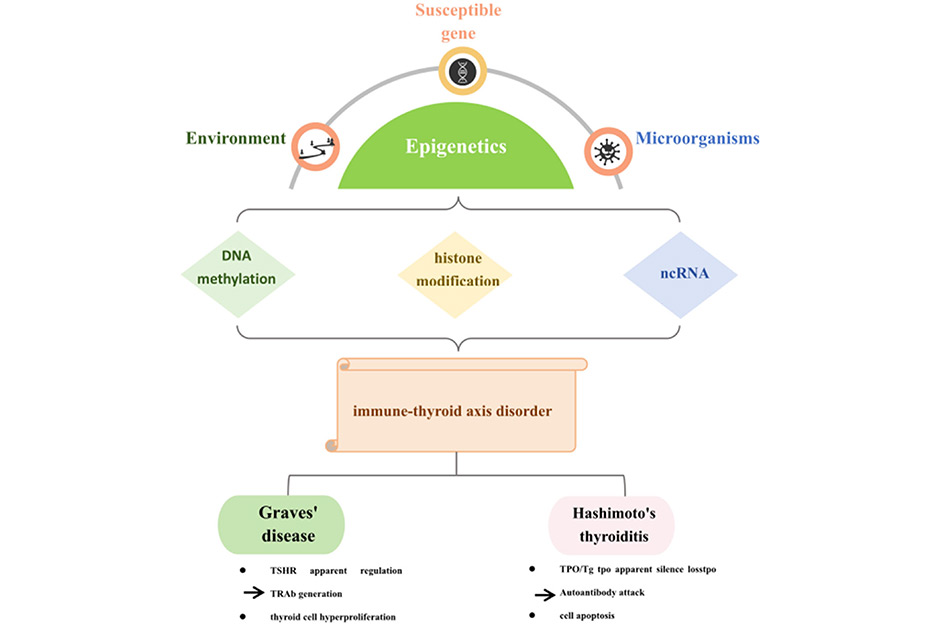
Autoimmune thyroid disease (AITD) affects millions globally, encompassing conditions like Hashimoto’s thyroiditis and Graves’ disease. For a long time, researchers have known that genetics play a significant role in determining who develops these conditions. However, a deeper look into the genetic landscape is revealing a more nuanced and complex picture: AITD doesn’t stem from a uniform genetic flaw, but rather from a diverse array of mutations in genes responsible for controlling our immune system. This insight is reshaping our understanding of how these diseases emerge and offering new avenues for potential interventions.
The Immune System’s Delicate Balance and Thyroid Health
At its core, autoimmune disease is a case of mistaken identity. The immune system, designed to protect the body from foreign invaders, mistakenly attacks its own healthy tissues. In AITD, the target is the thyroid gland, a small, butterfly-shaped organ in the neck crucial for metabolism. Depending on the specific type of AITD, this attack can either lead to an underactive thyroid (hypothyroidism, as in Hashimoto’s) or an overactive thyroid (hyperthyroidism, as in Graves’ disease).
While environmental factors like stress, infections, or diet can act as triggers, a predisposition often runs in families. The critical players in this predisposition are often genes that regulate the immune system itself. These “immune control genes” dictate how immune cells recognize threats, communicate with each other, and decide when to launch an attack or stand down. When these genes harbor mutations, this delicate balance can be disrupted, setting the stage for autoimmunity.
Diverse Mutations, Shared Outcome: A Complex Genetic Tapestry
The intriguing new understanding is that there isn’t just one specific genetic vulnerability that leads to autoimmune thyroid disease. Instead, it appears that a wide variety of different mutations, scattered across many different immune control genes, can all contribute to the same disease outcome. Imagine a complex orchestral score: a misplaced note in the violins, a missed cue in the brass, or a slight rhythm error in the percussion can all, in their own way, disrupt the harmony of the entire performance. Similarly, numerous different genetic errors in various parts of the immune system’s orchestration can lead to its misdirected attack on the thyroid.
These diverse mutations can affect genes involved in antigen presentation (how immune cells ‘show’ potential threats to each other), cytokine signaling (the chemical messages immune cells use to communicate), T-cell activation and regulation (which control the intensity and duration of immune responses), and even programmed cell death pathways. Each mutation might subtly alter a different component of the immune system, but the collective effect is a breakdown in tolerance, leading to autoimmunity.
“It’s a fascinating puzzle,” says Dr. Elena Rodriguez, a geneticist specializing in autoimmune disorders. “This finding really shifts our perspective, suggesting that multiple subtle genetic alterations can converge to disrupt immune tolerance and lead to thyroid autoimmunity. It underscores the immense complexity of our immune system and how many different pathways can go awry.”
Towards More Targeted Approaches
This discovery of diverse genetic pathways to AITD holds significant implications for the future. Firstly, it moves us beyond a one-size-fits-all view of autoimmune disease. Understanding the specific genetic mutations present in an individual could pave the way for more personalized diagnostic approaches and risk assessments, potentially identifying those at higher risk or even specific subtypes of AITD earlier.
Secondly, this knowledge could revolutionize treatment strategies. Rather than broad immunosuppressants that affect the entire immune system, future therapies might be designed to target the precise dysfunctional immune control pathway identified in a patient. For instance, if a specific mutation leads to overactive T-cells, a therapy could be developed to modulate that specific T-cell pathway, minimizing side effects and enhancing efficacy.
The realization that autoimmune thyroid disease can arise from a multitude of diverse genetic mutations in immune control genes marks a significant step forward in our understanding. It highlights the intricate nature of our immune system and opens exciting new doors for developing more precise and effective strategies to diagnose, prevent, and treat these prevalent conditions, moving us closer to truly personalized medicine.

