


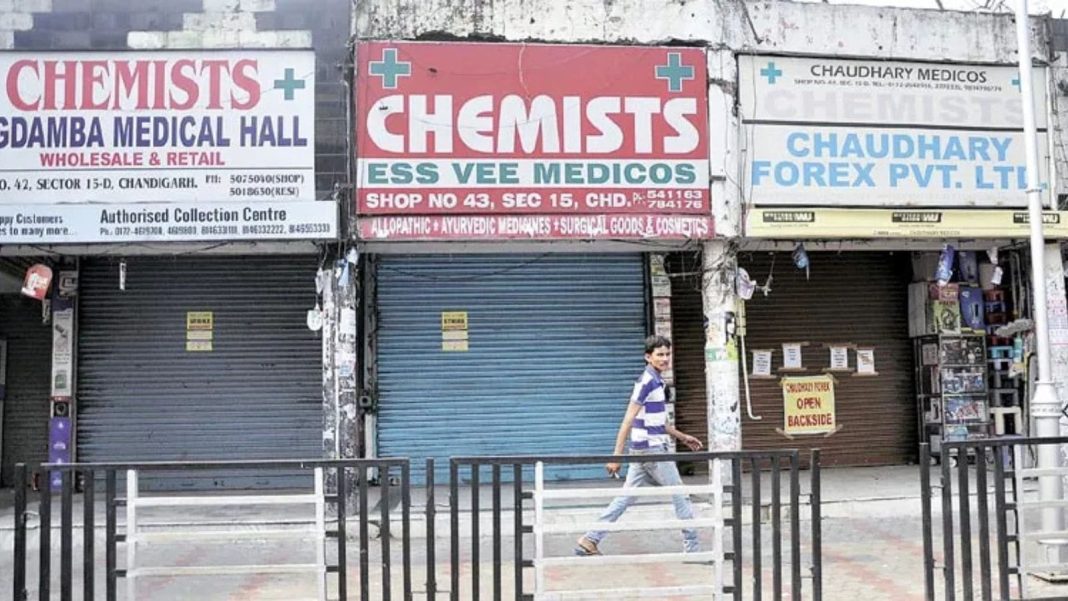
The healthcare landscape in India is on the cusp of significant disruption on May 20, as chemists and druggists across the nation prepare to shut down their establishments for a day-long strike. Spearheaded by the All India Organisation of Chemists and Druggists (AIOCD), this nationwide protest aims to draw urgent government attention to a burgeoning conflict: the perceived existential threat posed by unregulated e-pharmacies and the broader challenges facing traditional brick-and-mortar pharmacies. The dispute highlights a complex interplay between technological advancement, regulatory gaps, and the livelihoods of millions, with profound implications for public health and access to essential medicines.
The Core Grievances: A Fight for Fair Play and Patient Safety
At the heart of the chemists’ discontent lies a multi-faceted critique of the current e-pharmacy ecosystem. One of the most prominent concerns is the lack of a clear and comprehensive regulatory framework governing online medicine sales. While traditional pharmacies operate under the stringent Drugs and Cosmetics Act, 1940, and its associated rules, e-pharmacies often navigate a grey area, leading to what many traditional chemists describe as an unfair competitive advantage.
“E-pharmacies are operating with deep discounts, sometimes as high as 20-30%, which is simply unsustainable for us,” states a representative from the AIOCD. “They can afford to do this because their operational costs are significantly lower, and they often bypass many of the checks and balances we are legally bound to uphold. This isn’t just about business; it’s about patient safety.”
The deep discounting model is a major pain point, as it makes it exceedingly difficult for local chemists, who bear overheads like rent, staff salaries, and adherence to storage norms, to compete. This economic pressure threatens the viability of countless small and medium-sized pharmacies, which are often the first point of contact for healthcare in remote and underserved areas, particularly in a diverse country like India.
Beyond economic viability, serious concerns persist regarding the authenticity and quality of medicines dispensed through online channels. Traditional pharmacies are mandated to maintain proper storage conditions, including specific temperature controls for sensitive drugs. Chemists argue that without adequate oversight, the supply chain for e-pharmacies could compromise drug efficacy, leading to potential health risks for consumers. Furthermore, the issue of prescription verification is crucial. While e-pharmacies claim to verify prescriptions, traditional chemists express apprehension about the rigour of such checks, fearing an increase in self-medication and the misuse of scheduled drugs without proper pharmaceutical consultation.
Regulatory Limbo: The Unaddressed Digital Divide
The rapid proliferation of e-pharmacies has outpaced legislative action, creating a regulatory vacuum that both sides acknowledge, albeit with different interpretations. While the government has previously introduced draft e-pharmacy rules in 2018 and again in 2022, these have yet to be finalised and implemented. Chemists argue that these drafts do not adequately address their concerns regarding pricing, patient data privacy, and the operational modalities of online pharmacies, often appearing insufficient to level the playing field or ensure patient protection.
For instance, the potential for patient data misuse and privacy breaches is a significant worry. As sensitive medical information is shared online, robust data protection mechanisms are imperative. Traditional pharmacists also emphasize their role as accessible healthcare counsellors, providing personalized advice, checking for drug interactions, and ensuring correct drug usage – a human element they believe is largely absent in an online transaction. They contend that the digitalization of medicine sales, if not regulated comprehensively, risks eroding this vital patient-pharmacist relationship and transforming a critical healthcare service into a purely transactional commodity.
The strike is not merely a reaction to technological change but a fervent call for a level playing field. Chemists are advocating for a regulatory framework that applies equally to both online and offline entities, ensuring patient safety, maintaining drug quality standards, and preventing predatory business practices that could systematically dismantle the traditional pharmacy network built over decades. They seek clear guidelines on pricing, mandatory prescription verification protocols, stringent quality control measures for online inventories, and robust mechanisms for grievance redressal that protect both consumers and traditional businesses.
Looking Ahead: A Call for Balanced Regulation
The May 20 strike by chemists underscores the urgent need for the Indian government to formulate and implement a balanced and future-ready regulatory framework for the pharmaceutical sector. While e-pharmacies offer undeniable convenience and improved access in certain contexts, particularly for those in urban areas or with mobility challenges, their growth cannot come at the cost of patient safety, fair competition, or the livelihoods of lakhs of traditional pharmacists who form the backbone of local healthcare access.
The challenge lies in harmonizing technological innovation with public health imperatives and established trade practices. As pharmacies across the nation prepare to close their doors, the disruption will serve as a stark reminder of the critical role they play in India’s intricate healthcare delivery system. The hope is that this collective action will compel policymakers to engage in meaningful dialogue with all stakeholders, leading to a regulatory solution that fosters healthy competition, prioritizes patient well-being, and ensures the sustainable coexistence of both traditional and digital pharmacies in India’s evolving healthcare landscape.

