


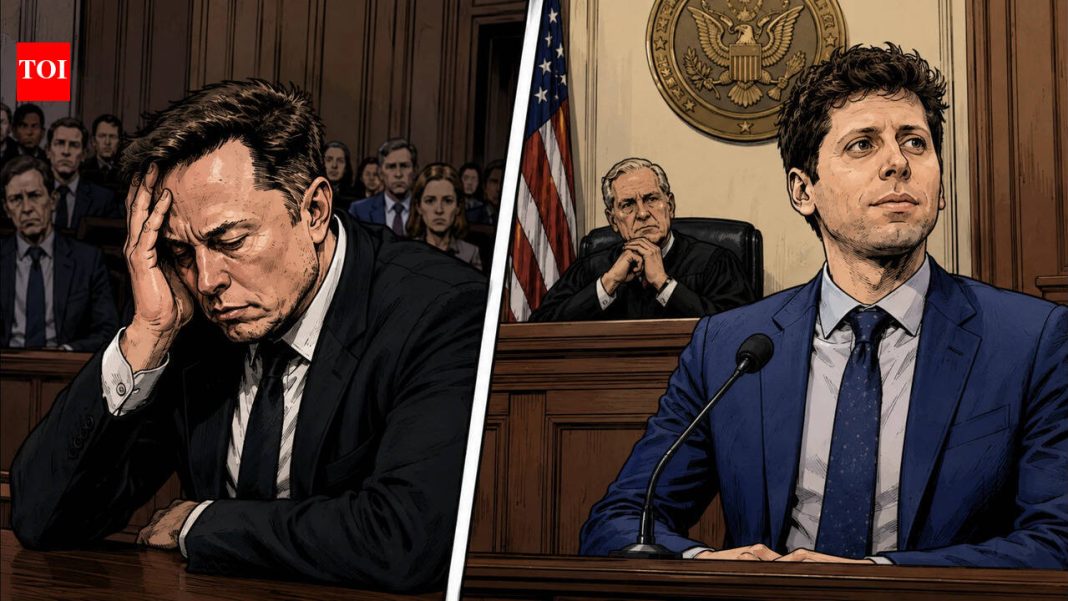
In a verdict that has sent ripples across the global technology landscape, a California jury has dismissed Elon Musk’s ambitious $150 billion lawsuit against artificial intelligence powerhouse OpenAI. The decision, handed down late last week, cited procedural grounds – specifically, that Musk “sued too late” – alongside a rejection of his core substantive claims regarding a breach of OpenAI’s founding agreement. The highly anticipated legal battle, which underscored profound philosophical differences about the future of AI, has now concluded with a decisive blow to the billionaire entrepreneur.
The Verdict: A Timeline and Legal Precedent
Musk’s lawsuit, filed earlier this year, alleged that OpenAI, which he co-founded in 2015, had abandoned its original non-profit, open-source mission to develop Artificial General Intelligence (AGI) for the benefit of humanity. He claimed that the company’s shift to a “capped-profit” model and its close commercial partnership with Microsoft constituted a fundamental breach of contract and fiduciary duty owed to its founders and the public.
However, the jury’s verdict focused heavily on the statute of limitations. Legal experts had previously highlighted the challenge Musk faced, given the significant time elapsed since OpenAI’s structural changes and its deep integration with Microsoft, which began several years ago. “The jury’s emphasis on the ‘sued too late’ aspect isn’t just a technicality; it sends a powerful message about the timelines for challenging foundational changes in corporate structures, especially in fast-evolving sectors like AI,” explains Dr. Priya Sharma, a Chennai-based legal tech analyst. “It suggests that even if there were merit to the underlying claims, the window to legally pursue them had closed.” Beyond the procedural hurdle, the jury also rejected Musk’s arguments that OpenAI had definitively abandoned its humanitarian mission, finding insufficient evidence to support claims of breach of contract related to its founding charter.
OpenAI’s Trajectory and the AI Ethics Debate
The lawsuit brought into sharp focus the complex journey of OpenAI. Initially envisioned as a counterweight to potentially monopolistic AI development, its pivot towards commercialisation, culminating in a multi-billion dollar investment from Microsoft, dramatically altered its operational model. This transformation, spearheaded by CEO Sam Altman, was argued by OpenAI’s defence as a necessary step to secure the immense resources and computing power required to compete in the high-stakes race for AGI.
Musk, a prominent critic of unregulated AI, had consistently voiced concerns that OpenAI’s commercialisation would compromise its commitment to safety and an open, transparent development process. The verdict, while legally conclusive, does little to quell the broader ethical debates surrounding AI governance, profit motives versus public good, and the control of powerful AI technologies. This global discourse resonates strongly in India, where the government and numerous startups are heavily investing in AI, often grappling with the same questions of ethical deployment and societal impact.
Implications for India’s AI Ecosystem and Tech Governance
For India, a burgeoning hub for AI innovation and digital transformation, the OpenAI verdict carries significant implications. The ruling highlights the critical importance of clear contractual frameworks and timely legal action in the fast-paced tech startup environment. Indian founders and investors are increasingly navigating complex equity agreements and mission statements, especially in sectors with strong social impact mandates.
“This case, despite being fought on American soil, offers crucial lessons for the Indian tech ecosystem,” notes Anil Kumar, Director of Policy at India AI Forum. “It underscores the need for robust corporate governance, transparent communication regarding mission shifts, and the inherent challenges in balancing ambitious altruistic goals with commercial viability in the pursuit of cutting-edge technology. Indian startups, particularly those working on foundational AI models, must ensure their foundational agreements are watertight and regularly reviewed, anticipating potential future conflicts over mission creep or commercialisation strategies.” The global spotlight on AI’s future, intensified by this lawsuit, also fuels India’s ongoing discussions about national AI strategy, data governance, and the regulatory frameworks needed to ensure responsible AI development.
While Elon Musk’s legal challenge against OpenAI has concluded in defeat, the underlying questions it raised about the ethical trajectory of AI, corporate fidelity to founding principles, and the tension between profit and purpose will undoubtedly continue to shape the narrative of artificial intelligence development worldwide. The verdict serves as a stark reminder that in the volatile realm of technology, timing is often as crucial as the merits of an argument.

