


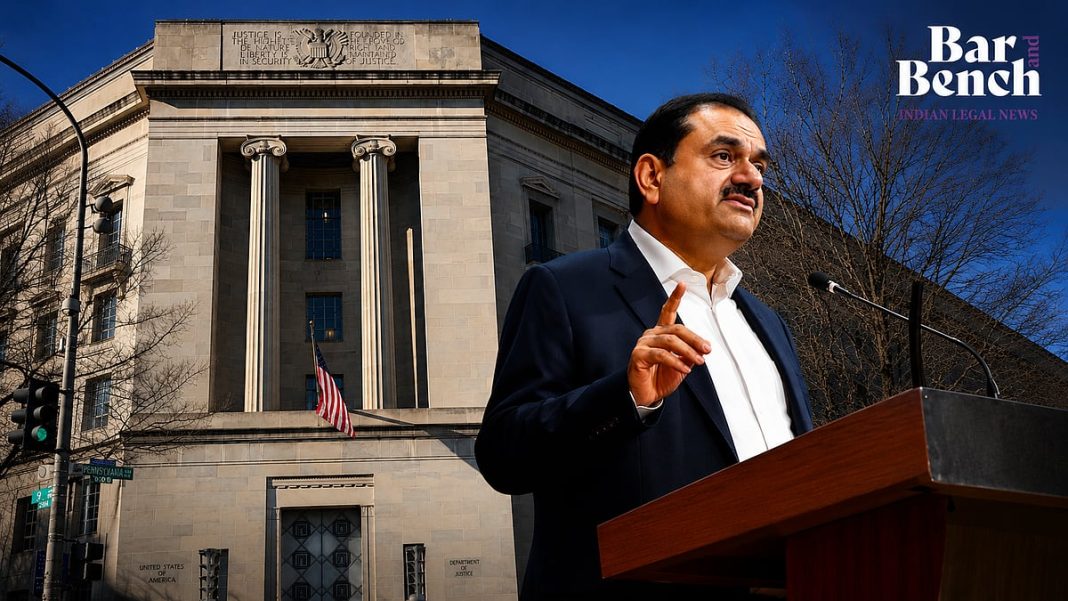
In a significant development that could reshape the narrative around one of India’s largest conglomerates, the U.S. Department of Justice (DOJ) has officially moved to drop criminal charges against Gautam Adani and other defendants involved in a high-profile corruption probe. This decision, emerging from federal courts, marks a pivotal moment for the Adani Group, offering a substantial reprieve from legal scrutiny that has loomed over certain aspects of its international operations.
The announcement signals the cessation of a case that drew considerable attention, particularly given Mr. Adani’s stature as a leading industrialist. For TrendLyric.com readers, this outcome provides crucial insights into the evolving landscape of international corporate governance and the intricate challenges global businesses face.
Halt to Proceedings: US DOJ Drops Charges Against Adani and Co.
The motion to dismiss the charges, filed recently, effectively brings an end to a long-standing investigation and prosecution. While the specifics of the DOJ’s reasoning for dropping the charges are typically detailed in court filings, such decisions often stem from factors like insufficient evidence to proceed, prosecutorial discretion, or strategic reassessments of the case’s viability. The move encompasses not just Gautam Adani but also other individuals who were named as co-defendants in the intricate legal proceedings.
This development is expected to have an immediate positive impact on the morale and strategic outlook of the Adani Group. For years, major corporations, especially those with significant international footprints, navigate a complex web of regulations, including the Foreign Corrupt Practices Act (FCPA) in the US. Allegations under such acts can carry severe reputational and financial consequences, regardless of their eventual outcome.
The dismissal means that the accused individuals and entities are no longer subject to the threat of a U.S. criminal trial, clearing their names in the eyes of the American legal system concerning these specific allegations. For a global conglomerate, this legal closure can significantly de-risk international dealings and foster greater confidence among investors and partners.
The Original Allegations: A Look Back at the Case
To fully grasp the significance of the DOJ’s decision, it is essential to revisit the genesis of the charges. The original allegations, which came to light through various reports and court documents, reportedly centered on alleged bribery and corruption related to energy projects in India and other developing nations. These charges, spanning a period that potentially covered years of business operations, had put a spotlight on the conduct of international transactions and the adherence to ethical business practices.
The case was understood to involve claims of illicit payments made to foreign officials to secure contracts or influence regulatory decisions. Such accusations, even when unproven, can cast a long shadow, affecting investor confidence, credit ratings, and partnerships. The investigative process itself is exhaustive, involving extensive data analysis, witness testimonies, and cross-border cooperation, underscoring the formidable legal challenges faced by defendants in such probes.
The detailed background of the original charges highlighted the serious nature of the claims, often prosecuted under stringent U.S. laws designed to combat global corruption. For a conglomerate like Adani Group, which has vast interests across ports, energy, infrastructure, and more, the resolution of such a case carries immense weight for its global ambitions and reputation.
Implications and the Road Ahead for Adani Group
The dismissal of criminal charges by the US DOJ is undoubtedly a significant relief for Gautam Adani and the broader Adani Group. This outcome effectively removes a major legal overhang that could have impeded the group’s expansion plans, especially in markets where compliance with international anti-corruption laws is paramount. The meticulous work of legal counsel, both in India and internationally, would have been crucial in navigating the complex U.S. legal system and presenting a robust defense or arguments for dismissal.
Industry observers and legal experts are weighing in on the broader implications. “Cases of this magnitude involving international bribery allegations are notoriously difficult and resource-intensive to prosecute,” comments a Mumbai-based corporate legal analyst. “A dismissal by the DOJ often suggests that the prosecution faced significant challenges in proving its case beyond a reasonable doubt, or that the evidence presented did not meet the high threshold required for a conviction. For Adani, this clean slate will undoubtedly bolster investor confidence and ease international banking relationships.“
For the Adani Group, this resolution provides a clearer runway for its ambitious growth strategies, both domestically and on the global stage. The group has been aggressively pursuing projects in renewable energy, infrastructure, and digital services, all of which require substantial international financing and partnerships. A clean bill of health from a prominent international prosecuting authority like the US DOJ can significantly de-risk future ventures and enhance their standing in global financial markets.
This development also serves as a critical reminder of the continuous need for robust corporate governance and compliance frameworks for Indian companies operating on an international scale. While the immediate focus is on the positive outcome for Adani, the broader lesson remains pertinent for all businesses navigating the complexities of global commerce.
The dropping of charges against Gautam Adani and his co-defendants by the U.S. Department of Justice marks a definitive conclusion to a challenging legal chapter. It not only offers substantial relief to the individuals involved but also provides a renewed impetus for the Adani Group’s strategic pursuits. As one of India’s most prominent conglomerates continues its trajectory of growth, this resolution is poised to play a crucial role in shaping its future engagements and perceptions on the world stage.

