


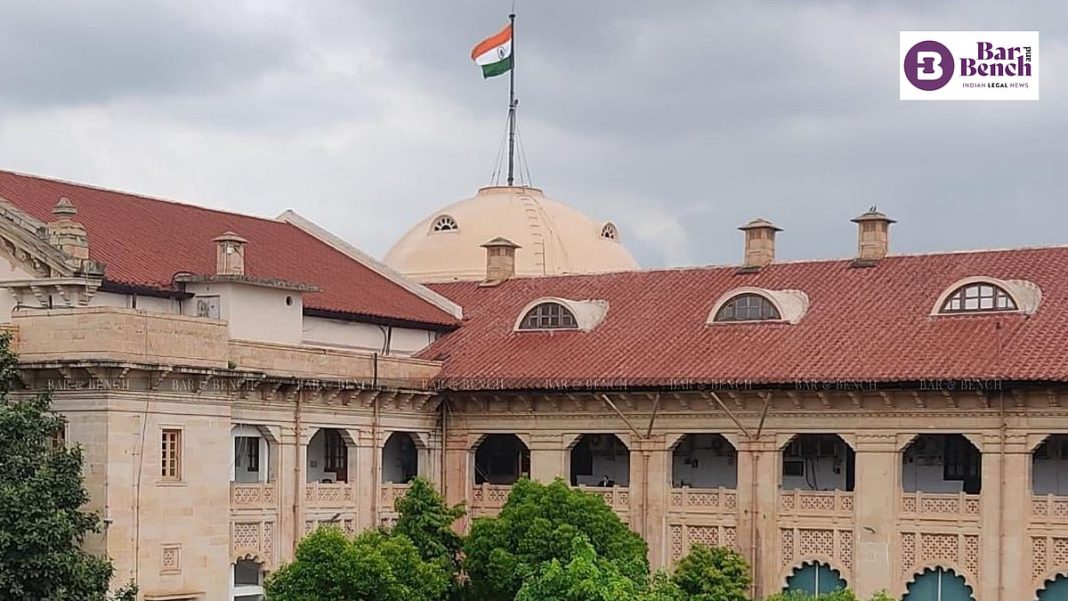
The highly debated “Ganga boat iftar” incident, which unfolded in Prayagraj earlier this year, has once again come under legal scrutiny, with the Allahabad High Court granting bail to six more individuals accused in the case. This development follows previous bail grants, further shifting the narrative around an event that sparked significant public discourse on religious freedom, communal harmony, and the use of public spaces.
The incident, which saw Muslim devotees breaking their Ramzan fast on a boat in the sacred Ganga river, quickly escalated into a controversy after a video of the gathering went viral on social media. What began as a private religious observance soon became a matter of legal contention, drawing accusations of ‘polluting’ the holy river and hurting religious sentiments, leading to arrests and a protracted legal battle.
The Controversial Ganga Boat Iftar
The incident occurred during the holy month of Ramzan when a group of individuals decided to hold an iftar on a boat cruising on the Ganga river in Prayagraj. Videos circulated widely, showing people gathered on a boat, performing iftar, the evening meal with which Muslims break their daily fast during Ramzan. While for the participants it was a simple act of religious observance, certain sections of society and social media users perceived it differently.
Following the viral spread of the video, an FIR was lodged against several individuals under various sections of the Indian Penal Code, including those related to promoting enmity between different groups on grounds of religion (Section 153A), deliberate and malicious acts intended to outrage religious feelings (Section 295A), and public mischief (Section 505). The initial arrests saw multiple individuals taken into custody, leading to protests and calls for their release from various human rights organizations and community leaders. The core of the controversy revolved around whether a private religious act could be deemed an act of public nuisance or an affront to the sentiments of another community, especially when performed on a river held sacred by millions.
Allahabad High Court’s Rationale for Bail
The recent decision by the Allahabad High Court to grant bail to six more accused individuals marks a significant turn in the ongoing legal proceedings. This follows similar bail orders issued previously for other individuals implicated in the case. The court’s decisions underscore the judiciary’s role in examining the veracity of charges and upholding personal liberty, especially in cases where prolonged incarceration might be deemed unjustified.
During the bail hearings, defence counsels argued that the accused had been falsely implicated and that there was insufficient evidence to prove the grave charges levelled against them. They highlighted that the act of iftar itself was a peaceful religious practice and did not inherently aim to provoke or offend. Furthermore, the defence contended that the accused had already spent a considerable time in judicial custody, and their continued detention was not warranted, especially when there was no apparent risk of them tampering with evidence or influencing witnesses.
A significant factor in the court’s consideration appears to be the nature of the alleged offence itself. While the incident generated considerable public outcry, the legal standard for proving charges like promoting enmity or outraging religious feelings requires concrete evidence of malicious intent. As a legal expert familiar with the case observed, “The court consistently evaluates whether the intent behind the action was truly malicious or if it was simply a religious observance misconstrued. The lack of direct evidence pointing to an intention to cause public disorder or communal disharmony often weighs heavily in favour of granting bail, especially after a period of incarceration.” This sentiment reflects the legal principle that bail is the rule and jail is the exception, particularly when the accused’s presence is not required for further investigation and the alleged crime does not involve extreme violence or threat to national security.
Broader Implications for Public and Religious Practices
The “Ganga boat iftar” case, and the subsequent legal developments, resonate deeply within India’s diverse socio-cultural fabric. It has ignited discussions about the boundaries of religious expression in public spaces, the interpretation of secularism, and the potential for misinterpretation and amplification of incidents through social media. While the judiciary works to ensure justice for the individuals involved, the broader conversation about communal sensitivities and respectful coexistence continues to unfold in society. The court’s repeated decision to grant bail to the accused signals a careful approach to such sensitive matters, prioritizing legal principles over popular sentiment.
As the legal process continues for the remaining aspects of the case, the grants of bail reinforce the importance of due process and the protection of fundamental rights. The incident serves as a poignant reminder of the complexities inherent in managing diverse religious practices within a shared public domain, underscoring the constant need for dialogue, understanding, and respect for all communities.

