


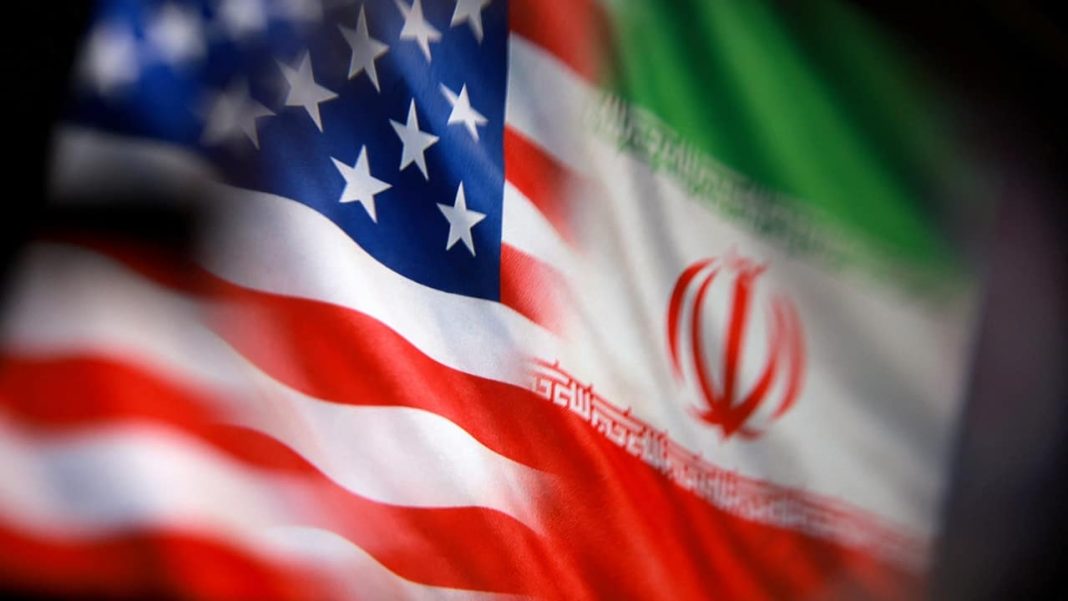
In a significant development reported by Iranian state media, the United States has reportedly offered a temporary waiver of sanctions on Iranian oil exports as part of a new negotiation text aimed at reviving the 2015 Joint Comprehensive Plan of Action (JCPOA), commonly known as the Iran nuclear deal. This potential concession, if confirmed and accepted, could mark a crucial step forward in the protracted diplomatic efforts to restore the landmark agreement, with far-reaching implications for global energy markets and particularly for energy-hungry nations like India.
The news, primarily disseminated through Iran’s state-affiliated Nournews, suggests a shift in Washington’s stance, potentially signaling a greater willingness to offer immediate, albeit temporary, economic relief to Tehran in exchange for a return to nuclear compliance. For months, negotiations in Vienna have been bogged down by disagreements over the sequencing of sanctions relief and Iran’s nuclear rollback, as well as Tehran’s demands for guarantees that a future US administration would not unilaterally withdraw from the deal again.
The Shifting Sands of Diplomacy
The alleged offer of a temporary oil sanctions waiver represents a notable departure from previous US positions, which often emphasized a “snapback” mechanism where sanctions would only be lifted upon Iran’s verifiable return to full compliance. A temporary waiver suggests a more phased, trust-building approach, allowing Iran to begin exporting oil and gain economic benefits even as the broader agreement is finalized and implemented. Such a move could be interpreted as an attempt to bridge the trust deficit that has plagued negotiations since the US withdrawal from the JCPOA in 2018 under the Trump administration.
Iranian media reports indicate that the new text outlines a framework where Iran would take initial steps to curb its advanced nuclear activities in return for limited sanctions relief. However, Tehran has consistently demanded comprehensive and verifiable removal of all sanctions imposed since 2018, arguing that anything less would not provide the economic dividends promised by the original deal. The exact duration and scope of this “temporary” waiver remain undisclosed, but its mere mention indicates a potential pathway to de-escalation and renewed economic engagement, which could significantly impact global crude supply amidst volatile market conditions.
India’s Crucial Stake in Iranian Oil
For India, the potential return of Iranian oil to global markets holds immense strategic and economic significance. Historically, India was Iran’s second-largest oil customer after China, valuing Iranian crude for its competitive pricing, attractive payment mechanisms (including rupee-rial trade), and geographical proximity, which reduces shipping costs and transit times. India’s decision to halt Iranian oil imports in 2019 due to the threat of US secondary sanctions led to increased reliance on other suppliers, primarily Saudi Arabia, Iraq, and the United States, often at higher costs.
Resuming oil imports from Iran would offer India several benefits. Firstly, it would significantly enhance India’s energy security by diversifying its crude sources, reducing over-reliance on a few Middle Eastern producers. This diversification is critical for India, which imports over 85% of its oil requirements. Secondly, Iranian crude could potentially come at a more competitive price, easing India’s substantial import bill, which has ballooned amid surging global energy prices. Furthermore, a stable supply from Iran would bolster India’s strategic investments in the Chabahar Port, a crucial gateway for trade with Afghanistan and Central Asia, bypassing Pakistan. The port project has often faced hurdles due to the uncertainty surrounding US sanctions.
As Dr. Priya Sharma, an independent energy policy expert, observed, “This potential waiver signals a crucial shift, offering a glimmer of hope for the JCPOA’s revival. For India, it’s a moment to watch closely, as a return of Iranian oil could significantly reconfigure our energy import strategy, offering both cost benefits and geopolitical leverage.” India has consistently advocated for a diplomatic resolution to the Iranian nuclear issue and has maintained its strategic relationship with Tehran despite the sanctions regime, understanding the long-term benefits of a stable and accessible energy partner in its extended neighbourhood.
The Road Ahead: Cautious Optimism
While the reports from Iranian media offer a glimmer of hope, the path to a fully restored JCPOA remains fraught with challenges. Both Washington and Tehran face domestic political pressures, and deep mistrust persists. The “temporary” nature of the proposed waiver might still fall short of Iran’s demands for absolute and verifiable sanctions relief. Furthermore, the devil will be in the details regarding verification mechanisms, guarantees against future US withdrawal, and the sequencing of commitments.
Nevertheless, this reported offer marks a significant milestone in the arduous negotiations. Should an agreement be reached, it would not only inject stability into a volatile global energy market but also reopen important trade avenues for India, allowing it to once again tap into a reliable and geographically proximate source of crude. For now, the world, and particularly India, watches with cautious optimism as diplomatic efforts continue to unfold in the intricate dance between two global powers and a strategically vital nation.

