


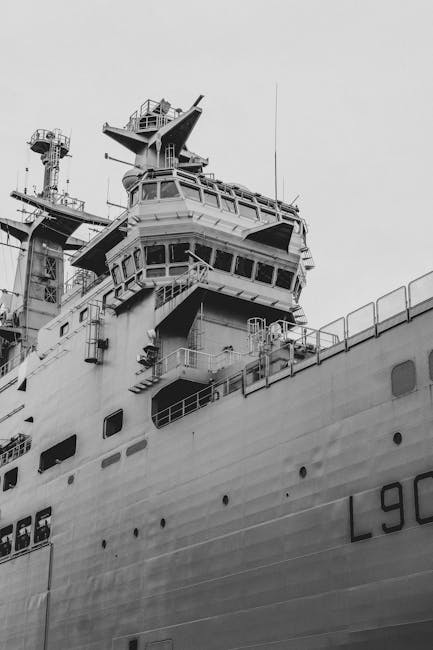
The Strait of Hormuz, a narrow waterway connecting the Persian Gulf with the Arabian Sea, finds itself once again at the epicentre of escalating geopolitical tensions. In a recent development that has sent ripples across global energy markets and diplomatic circles, the US military has issued a stark warning: any ship passing through the Strait of Hormuz without authorisation will be subject to capture. This assertive stance comes amidst heightened friction between the United States and Iran, underscoring the precarious security situation in one of the world’s most vital maritime chokepoints. For nations like India, heavily reliant on the Strait for its energy imports, this development presents a complex challenge demanding careful diplomatic navigation.
The Strait of Hormuz: A Volatile Chokepoint
Geographically, the Strait of Hormuz is exceptionally critical. At its narrowest point, it is only 39 kilometres wide, yet it serves as the sole sea passage from the Persian Gulf to the open ocean for a significant portion of the world’s crude oil. Approximately one-third of all global seaborne oil, along with considerable volumes of liquefied natural gas (LNG), transits through this waterway daily. This makes its security paramount for global economic stability.
The latest US warning, reportedly communicated through naval channels and statements, reiterates Washington’s commitment to freedom of navigation while simultaneously challenging what it perceives as Iran’s aggressive actions in the region. The US Central Command (CENTCOM) has previously accused Iran’s Revolutionary Guard Corps (IRGC) of harassing and seizing commercial vessels in international waters, claims that Tehran often dismisses as provocations or asserts are within its sovereign rights. The threat of “capture” by the US military escalates the rhetoric considerably, suggesting a proactive and potentially confrontational approach to enforcing maritime security and deterring Iranian actions.
Past incidents, including the seizure of oil tankers and cargo ships by Iran, have routinely spiked oil prices and raised insurance premiums for vessels operating in the region. The current warning from the US introduces an additional layer of complexity, essentially drawing a red line for what it considers unauthorised passage, thereby increasing the risk of miscalculation or accidental escalation between naval forces operating in close proximity.
Geopolitical Chessboard and India’s Stake
The backdrop to this latest development is the enduring and often frosty relationship between Washington and Tehran. Sanctions against Iran’s oil exports, the collapse of the Joint Comprehensive Plan of Action (JCPOA) nuclear deal, and regional proxy conflicts have consistently fuelled animosity. The US warning in the Strait of Hormuz can be seen as part of a broader strategy to exert pressure on Iran, curb its maritime activities, and ensure the unimpeded flow of international commerce through the Strait.
For India, the situation is particularly delicate. The Middle East is India’s primary source of crude oil, with a substantial portion of these imports transiting through the Strait of Hormuz. Any prolonged disruption or escalation of conflict in the region would have immediate and severe repercussions on India’s energy security, leading to potential price surges and supply chain vulnerabilities. Furthermore, India maintains significant trade relations with countries in the Gulf, and millions of Indian expatriates reside and work there, making regional stability a crucial national interest.
New Delhi has historically maintained a policy of strategic autonomy, balancing its ties with both the US and Iran. However, the current situation forces India into a precarious position. While advocating for freedom of navigation and maritime security, India also seeks to avoid entanglement in geopolitical rivalries that could jeopardise its economic interests or its diaspora. “For India, this escalating rhetoric in the Strait of Hormuz is particularly concerning. Our energy lifeline runs through this chokepoint, and any disruption could have severe economic repercussions, forcing New Delhi to walk an even finer diplomatic line,” observes Dr. Rhea Sharma, a prominent geopolitical analyst.
Escalation Risks and Future Outlook
The direct warning from the US military introduces significant risks. The possibility of an inadvertent clash, a misinterpretation of intent, or an escalation from a minor incident cannot be discounted. Such an event would not only jeopardise global oil supplies but could also destabilise the entire region, impacting international trade routes, aviation, and diplomatic efforts for de-escalation. The global community, including India, has consistently called for restraint and a diplomatic resolution to the tensions in the Gulf.
As the situation remains fluid, diplomatic channels are likely to be working overtime. The international community’s focus will be on de-escalation and ensuring the unimpeded flow of legitimate maritime traffic. While the US asserts its right to defend freedom of navigation, the imperative remains to prevent a flashpoint that could ignite a broader conflict with far-reaching global consequences. For TrendLyric readers, understanding these intricate geopolitical manoeuvres is key to grasping the dynamics shaping global energy, trade, and peace.

