


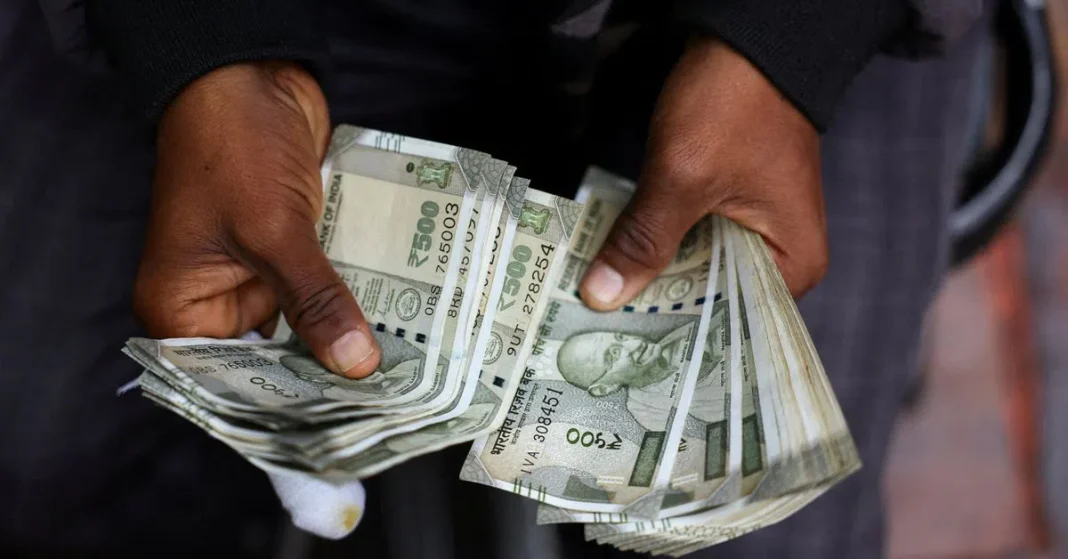
India is on the cusp of a significant transformation in its monetary landscape as the Reserve Bank of India (RBI) revives a long-standing proposal to introduce plastic currency notes. This move, which dates back over a decade, signals a potential shift from the traditional cotton-based paper notes to more durable and secure polymer currency, aligning India with a growing number of countries globally that have embraced this modern solution.
The re-energized plan by the RBI comes after years of deliberation, pilot projects, and a careful study of international practices. While the initial trials faced their share of hurdles, the renewed impetus suggests a stronger resolve to integrate advanced currency technology into the Indian financial system, promising a host of benefits from enhanced longevity to improved hygiene.
The Imperative for Change: Durability and Security
One of the primary drivers behind the push for plastic currency notes is their inherent superior durability. India’s diverse climate, characterized by varying humidity levels and extensive daily handling, places immense stress on traditional paper notes, leading to rapid wear and tear. Plastic notes, made from polymer, are significantly more robust, resistant to moisture, dirt, and general abuse, thereby extending their lifespan considerably. This longevity translates into reduced printing costs for the RBI over time, as notes would need to be replaced less frequently.
Beyond durability, plastic notes offer enhanced security features. The polymer substrate allows for the incorporation of advanced anti-counterfeiting measures that are more difficult to replicate than those on paper notes. These can include transparent windows, holographic images, intricate micro-printing, and raised tactile features that are harder for counterfeiters to mimic, thereby bolstering the integrity of the currency system and protecting the public from fraudulent notes. Moreover, in an era increasingly conscious of public health, plastic notes are less porous than their paper counterparts, making them potentially more hygienic and easier to clean, which could reduce the transmission of germs.
From Pilot Projects to a National Rollout
The journey towards plastic currency notes in India has been a gradual one. The concept was first explored in the early 2010s, with the RBI initiating a pilot project in 2014-15. Under this trial, one billion ₹10 plastic notes were intended to be introduced in five cities – Kochi, Mysore, Shimla, Jaipur, and Bhubaneswar – chosen for their diverse climatic conditions. The aim was to assess the notes’ performance in terms of durability and public acceptance. While the full-scale rollout faced delays, the insights gathered from these initial attempts have been crucial in refining the current strategy.
The revival of the plan indicates that the RBI has likely addressed some of the previous concerns, including the availability of raw materials and manufacturing capabilities. This move aligns India with over 50 countries, including Australia (the pioneer in plastic currency), Canada, the United Kingdom, and New Zealand, which have successfully adopted polymer notes. The experience of these nations provides a valuable blueprint for India, helping to mitigate potential challenges during implementation.
Navigating the Challenges Ahead
While the benefits are compelling, the introduction of plastic currency notes is not without its challenges. The initial manufacturing cost of polymer notes is typically higher than that of paper notes, although this is often offset by their longer lifespan. Public acceptance is another critical factor. Indians are accustomed to the feel and texture of paper currency, and a shift to plastic notes will require extensive public awareness campaigns to educate citizens about their features, handling, and benefits. There might be initial apprehension or even resistance, which the RBI will need to address effectively.
Furthermore, the existing infrastructure, including ATMs and note-sorting machines, may require calibration or upgrades to handle the different properties of plastic notes. Environmental considerations also play a role; while polymer notes are durable and can be recycled, the environmental footprint of their production and disposal needs careful management. As one RBI official, speaking on condition of anonymity, reportedly stated, “This move reflects the RBI’s ongoing commitment to enhancing the quality and security of India’s currency, adapting to global best practices while addressing local challenges of durability and hygiene.”
The re-initiation of the plastic currency note plan by the RBI marks a forward-looking step for India. While challenges persist, the potential benefits in terms of durability, security, and hygiene are substantial. As the RBI moves closer to a potential national rollout, India’s currency system could soon join the ranks of modern economies embracing innovative solutions for a more resilient and secure financial future.

