


Remember the electric hum of a Game Boy Advance SP, the satisfying click of a Nintendo DS clamshell, or the sleek, multimedia promise of a PlayStation Portable? There was a distinct era when dedicated handheld gaming devices weren’t just popular; they were cultural touchstones, defining moments in many a childhood and commute. We had a portable world of pixels and polygons, meticulously crafted for screens no bigger than a deck of cards. But as we look around today, that golden glow seems to have softened, if not entirely faded. Could it be that the golden age of handheld gaming is truly behind us?
The Smartphone’s Silent Conquest
The most obvious challenger, and arguably the victor in this narrative, sits in virtually every pocket: the smartphone. Once, if you wanted a quick game on the go, a Game Boy or a similar dedicated device was your only real option. Now, app stores overflow with titles ranging from simple puzzles to graphically intensive RPGs, many of them free or costing mere dollars. The convenience is undeniable.
There’s no extra device to charge, no additional gadget to remember. Your phone is already there, always connected, always ready. “My phone does everything now,” remarked avid gamer, Sarah Chen. “Why carry another device just for a quick puzzle game when my smartphone is always there, and usually free?” This sentiment perfectly encapsulates the shift. The casual market, once the bread and butter of handhelds, was almost entirely absorbed by the mobile phone, leaving dedicated devices to fight for a much smaller, more hardcore niche.
The Hybrid Era and The Blurring Lines
While smartphones chipped away at the low-end, the high-end of handheld gaming began to evolve into something entirely different. The resounding success of the Nintendo Switch demonstrates that people still crave portable gaming. However, the Switch isn’t just a handheld; it’s a hybrid console, designed to seamlessly transition between a TV dock and a portable mode. It’s powerful enough to run games that previously felt exclusive to home consoles, effectively blurring the line between traditional handhelds and full-fledged gaming systems.
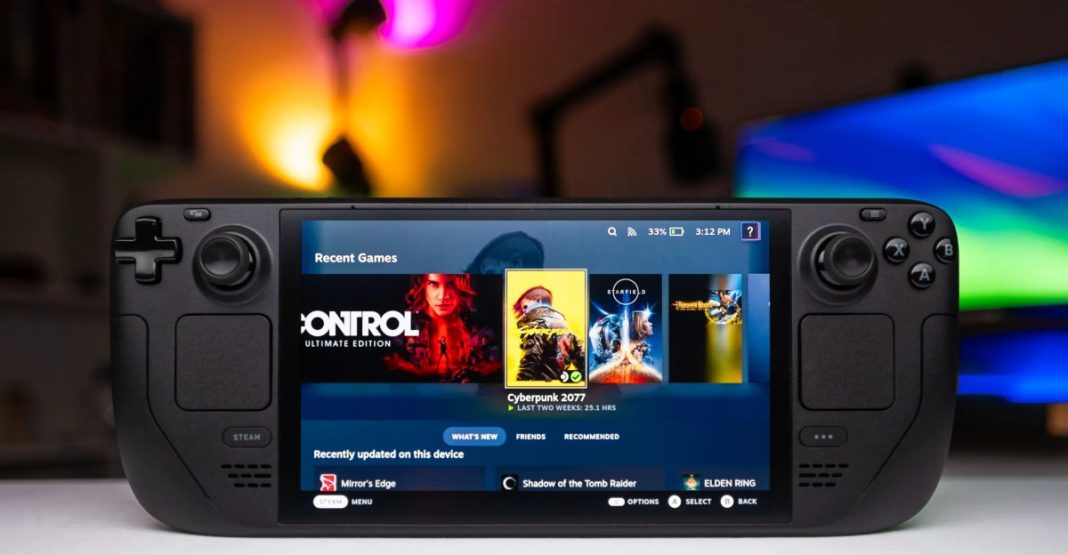
This trend continues with devices like the Steam Deck and various portable gaming PCs. These are not ‘handhelds’ in the classic sense; they are full-blown gaming computers shrunk down, capable of playing PC titles on the go. While incredibly impressive and powerful, they occupy a premium, enthusiast segment, far removed from the mass-market appeal and accessibility of a Game Boy Color or a Nintendo 3DS. They cater to a different need, a different demographic, and signify a departure from the unique, simpler identity that defined the traditional handheld experience.
The golden age of handheld gaming, characterized by unique, accessible, and purpose-built devices that stood distinctly apart from home consoles and filled a specific niche, has indeed passed. What remains is not a wasteland, but a transformed landscape. We now have a spectrum of portable gaming experiences: the ubiquitous smartphone for casual play, and powerful hybrid or PC-gaming devices for the dedicated enthusiast. While the magic of those simpler, dedicated machines might be a memory, the spirit of gaming on the go lives on, albeit in a more fragmented and evolved form. Perhaps it’s not an end, but a metamorphosis into something entirely new.

