


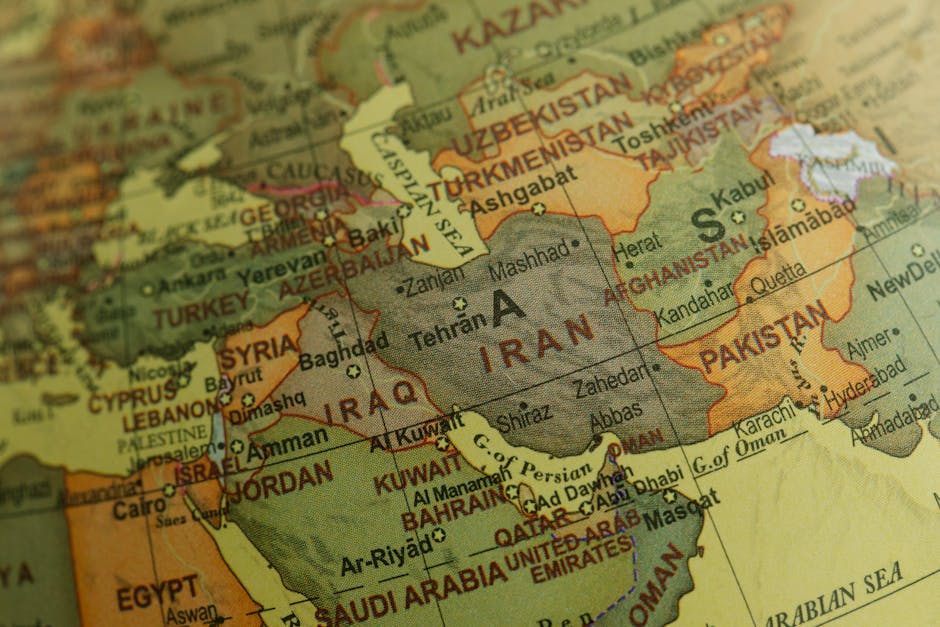
The intricate geopolitical tapestry of the Middle East continues to unravel with significant implications for global stability and economies. At the heart of the current drama lies the fraught relationship between the United States and Iran, a standoff that has kept international observers, including India, on tenterhooks. Amidst escalating rhetoric and tangible incidents, a recent statement from US President Donald Trump has offered a glimmer of a potential de-escalation, indicating a pause in what he termed “Project Freedom” to explore avenues for a peace deal with Tehran.
The Volatile Dance on the Edge of Conflict
For months, the US and Iran have been engaged in a dangerous game of brinkmanship. The Trump administration’s withdrawal from the Joint Comprehensive Plan of Action (JCPOA), commonly known as the Iran nuclear deal, in 2018, and its subsequent imposition of stringent economic sanctions, ignited the current phase of heightened tensions. These sanctions, aimed at crippling Iran’s oil exports and financial lifelines, have been met with Iranian defiance and strategic retaliations, often leading to critical flashpoints.
Incidents such as attacks on oil tankers in the Gulf of Oman, strikes on Saudi Arabian oil facilities, and the downing of a US surveillance drone have underscored the region’s fragility. Each event pushed the two nations closer to an outright military confrontation, prompting global calls for restraint. The rhetoric from both Washington and Tehran has often been incendiary, with Iran vowing to resist “maximum pressure” and the US asserting its readiness to protect its interests and allies.
For India, a major energy importer, this volatility in the Persian Gulf is a direct threat to its economic stability. The Strait of Hormuz, a critical choke point for global oil shipments, is indispensable for India’s energy security. Any disruption translates directly into higher crude oil prices, impacting the Indian economy and the everyday consumer. Furthermore, the region hosts a significant Indian diaspora, whose safety and well-being are paramount concerns for New Delhi.
“Project Freedom” Paused: A Calculated Overture?
It is against this backdrop of escalating tensions that President Trump’s recent comments have resonated across diplomatic circles. Speaking on the situation, Trump stated that a particular initiative, which he dubbed “Project Freedom,” had been temporarily halted. The specifics of “Project Freedom” remain ambiguous, widely interpreted as a euphemism for potential military action or a comprehensive strategic response. However, the President framed this pause as an opportunity for diplomacy.
“We had ‘Project Freedom’ ready to go,” Trump reportedly said, “but I’ve paused it to see if we can actually get a good, fair peace deal with Iran. We don’t want war, but we are prepared if necessary.”
This statement, while retaining the characteristic Trumpian blend of assertiveness and unpredictability, signals a potential willingness to return to the negotiating table. It suggests that despite the bellicose posturing, there remains an appetite for a diplomatic resolution, or at least a de-escalation, within the US administration. The emphasis on a “peace deal” implies a desire for a comprehensive agreement that addresses not only Iran’s nuclear programme but also its regional activities and missile development, issues that the US believes were not sufficiently covered by the original JCPOA.
The challenge lies in finding common ground. Iran has consistently stated it will not negotiate under duress, demanding the lifting of sanctions as a precondition for any talks. Third-party mediators, including European nations and Japan, have been actively engaged in shuttle diplomacy, attempting to bridge the seemingly insurmountable gap between Washington and Tehran. Trump’s recent remarks might embolden these efforts, providing a new window, however narrow, for dialogue.
India’s Hopes for Regional Stability
India’s foreign policy towards the US-Iran dynamic has been one of careful neutrality, urging de-escalation and dialogue from both sides. With significant investments in Iran, such as the Chabahar Port, which provides India with a crucial trade route to Afghanistan and Central Asia, stability in the Persian Gulf is not merely desirable but essential. India cannot afford to see the region descend into widespread conflict, given its profound implications for energy prices, trade routes, and the safety of its expatriate community.
While Washington has exerted pressure on New Delhi to reduce its economic ties with Tehran, India has consistently advocated for diplomatic solutions, recognizing Iran’s strategic importance. President Trump’s recent statement, therefore, offers a glimmer of hope that diplomacy might yet prevail, averting a larger conflict that would have devastating consequences for the region and the global economy, including India’s developmental aspirations.
The path to a peace deal, if one is truly on the horizon, will be fraught with complexities and mistrust built over decades. However, the indication from the US President that military options are, for now, on hold in favour of exploring diplomatic avenues, provides a much-needed pause for reflection and potential negotiation. The world watches keenly, hoping that this latest development steers the region away from the precipice of war and towards a stable, lasting resolution.
The coming weeks will be crucial in determining whether this pause in “Project Freedom” leads to substantive talks or if the cycle of escalation resumes. For now, the prospect of a peace deal, however distant, offers a collective sigh of relief for nations like India, which bear a significant stake in the tranquillity of the Persian Gulf.

