


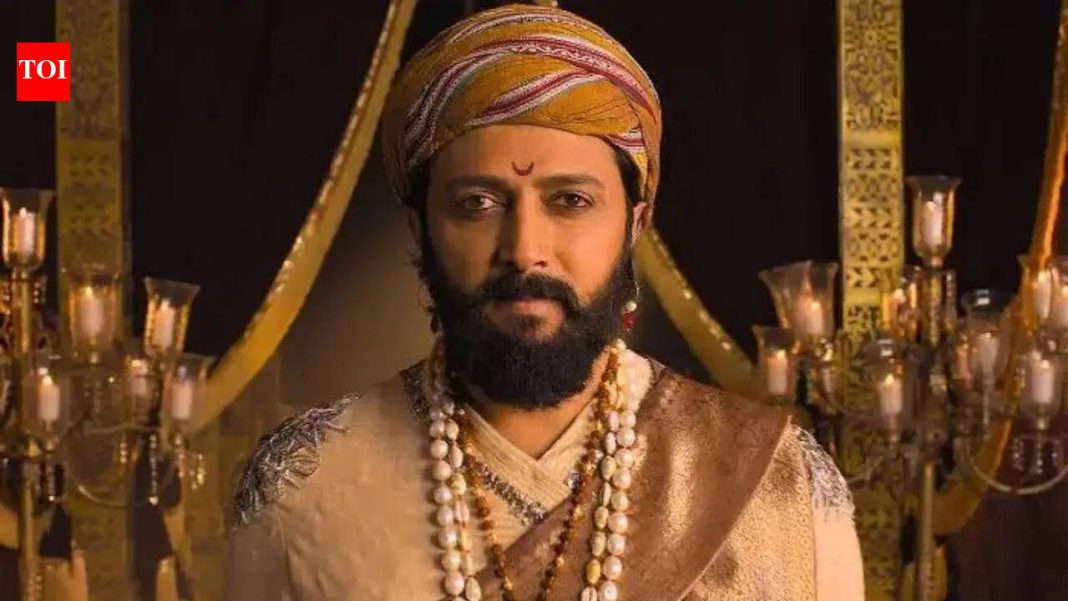
Riteish Deshmukh, a prominent figure in Indian cinema, has expressed his profound satisfaction with the overwhelming public response to his latest cinematic venture, Raja Shivaji. The film, which has captivated audiences across the nation, is not just breaking box office records but is also drawing families—children and grandparents alike—to theatres, a phenomenon Deshmukh describes as truly heartwarming and indicative of its deeper cultural resonance. This multi-generational appeal underscores the film’s success in connecting with the heart of Indian households.
A Unified Audience for a Historical Epic
The remarkable success of Raja Shivaji extends beyond mere commercial numbers; it signifies a powerful connection with the collective Indian consciousness. Deshmukh, known for his versatile roles and his deep-rooted commitment to Marathi cinema and heritage, has keenly observed a unique trend in the film’s theatrical run. Unlike many contemporary releases that often cater to specific age demographics, Raja Shivaji has emerged as a multi-generational magnet. Families, often comprising three generations—young children, their parents, and their grandparents—are making a concerted effort to experience the historical epic together.
This unified audience speaks volumes about the film’s ability to transcend age barriers and ignite a shared sense of pride and curiosity about one of India’s most revered historical figures, Chhatrapati Shivaji Maharaj. The sight of diverse age groups congregating to watch a film rooted in national history is a testament to its broad appeal and effective storytelling. It underscores the enduring power of narratives that celebrate valor, leadership, and cultural heritage, particularly when presented with authenticity and grandeur. For many, it’s not just a film; it’s an educational and emotional journey, a chance to connect with roots and share stories across generations, fostering a renewed appreciation for their shared history.
Beyond the Box Office: Reigniting Cultural Pride
Riteish Deshmukh’s observation highlights a critical aspect often overlooked in the race for box office supremacy: the profound cultural impact of cinema. The family-centric attendance for Raja Shivaji indicates a successful bridging of the entertainment gap between generations, often a challenge in today’s fast-paced, fragmented media landscape. It suggests that the film has struck a chord, not merely as a piece of entertainment, but as a significant cultural touchstone.
Deshmukh emphasized the profound joy he feels witnessing this trend. “To see families, from young children to their grandparents, coming to the theatres together for Raja Shivaji is truly humbling,” he stated. “It’s not just about the numbers; it’s about the shared experience, the conversations that happen afterwards, the stories being passed down. This film was made with the intention of bringing our history to life for everyone, and seeing this multi-generational attendance tells us we’ve achieved something truly special. It shows that the legacy of Chhatrapati Shivaji Maharaj continues to inspire and unite.”
This statement encapsulates the film’s broader mission: to educate, inspire, and foster a collective appreciation for history. The film’s success, therefore, isn’t solely defined by its financial earnings but by its ability to reignite discussions about history, leadership, and Marathi identity within households. It becomes a powerful vehicle for cultural transmission, allowing younger generations to engage with historical narratives in an accessible and engaging format, often guided by the perspectives and stories of their elders.
The Vision Behind the Spectacle
The enthusiastic reception of Raja Shivaji also reflects the meticulous effort and profound vision behind its creation. Riteish Deshmukh, who has often expressed his deep admiration for Chhatrapati Shivaji Maharaj, has likely poured significant personal and professional dedication into this project. His involvement, whether as a lead actor, producer, or director, signals a deep understanding of the subject matter and a commitment to presenting it with historical accuracy and cinematic brilliance. The decision to invest in a historical epic, particularly one centered on such a revered figure, comes with immense responsibility to both historical fact and public sentiment.
The film’s ability to resonate with diverse audiences, attracting families who might otherwise opt for more contemporary fare, underscores its quality and authenticity. It also solidifies Deshmukh’s position not just as a versatile actor but as a filmmaker with a keen sense of cultural narratives and their inherent power to unite. This success paves the way for more such projects that celebrate Indian history and heritage, presented with the grandeur they deserve, and reaffirms the commercial viability of content that appeals to a wide demographic rooted in national pride.
Riteish Deshmukh’s reaction to the unprecedented family attendance for Raja Shivaji offers a compelling narrative beyond mere box office figures. It speaks to the film’s success in weaving a historical tale that resonates deeply with Indians across all age groups, fostering a collective experience of pride and connection to heritage. As families continue to flock to theatres, Raja Shivaji stands as a powerful example of how cinema can serve not just as entertainment, but as a vital bridge between generations, celebrating and preserving the rich tapestry of Indian history for years to come.

