


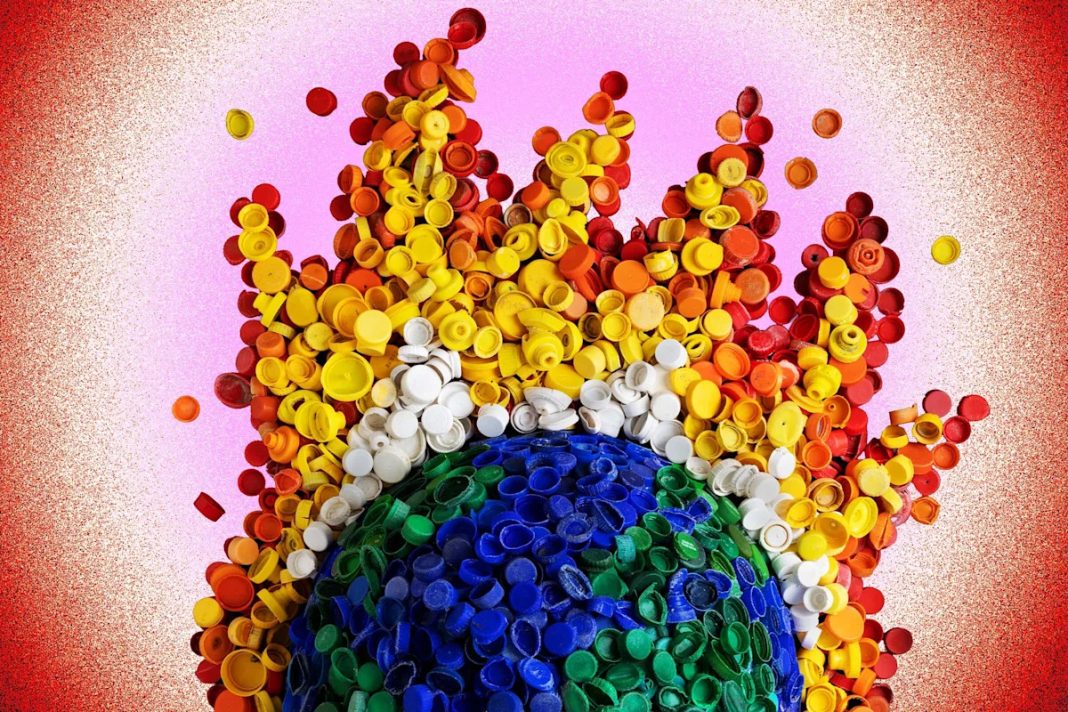
The ubiquitous presence of plastic has reshaped human life, offering convenience that often overshadows its environmental toll. From packaging to apparel, this versatile material is deeply embedded in our daily existence. However, a darker truth is now emerging: the microscopic fragments of this very plastic, known as microplastics, are not just polluting our planet but actively exacerbating the global climate crisis. What was once seen primarily as a waste management problem is now revealing itself as a profound contributor to global warming, adding another layer of urgency to India’s significant environmental challenges.
The Invisible Invasion: Microplastics Everywhere
Microplastics, defined as plastic particles smaller than five millimetres, are an insidious pollutant. Born from the degradation of larger plastic items under the sun, wind, and waves, or shed directly from synthetic textiles during washing, they are now virtually inescapable. These tiny fragments permeate every corner of our planet – from the deepest ocean trenches and remote Arctic ice to the soil of our agricultural fields and the air we breathe. Studies have consistently found microplastics in tap water, bottled water, sea salt, and even in the food chain, indicating a pervasive contamination that directly impacts human health and biodiversity.
In India, the problem is particularly acute. Our vast river systems, including the Ganges and Yamuna, act as conduits, carrying immense quantities of plastic waste into the oceans. Landfills overflow, often unmanaged, allowing plastic to break down into microplastics that leach into soil and groundwater. The sheer volume of plastic consumption, coupled with inadequate waste collection and recycling infrastructure in many urban and rural areas, means that India is a significant source and receptor of this microscopic menace. The sight of plastic waste choking urban drains or littering natural landscapes is a stark reminder of the challenge we face.
A Vicious Cycle: Microplastics Accelerating Atmospheric Warming
The link between microplastics and global warming is a relatively recent, yet alarming, discovery. Scientists are uncovering several mechanisms through which these tiny particles contribute to the Earth’s heating. One significant pathway involves their interaction with vital cryospheric elements – snow and ice. When dark-coloured microplastics settle on glaciers, snowcaps, or Arctic ice, they reduce the albedo effect, meaning they absorb more solar radiation instead of reflecting it. This increased absorption accelerates the melting process, contributing to rising sea levels and disrupting critical ecosystems.
Furthermore, microplastics themselves are not inert. As they degrade, particularly when exposed to sunlight and heat, they release greenhouse gases such as methane and ethylene. These gases trap heat in the atmosphere, directly contributing to the greenhouse effect. Research indicates that different types of plastics, and their various additives, can emit these potent gases at varying rates, creating a complex atmospheric feedback loop.
The ecological impact also extends to crucial carbon sinks. Microplastics found in agricultural soils can alter soil microbial communities and their ability to sequester carbon, a process vital for mitigating climate change. Similarly, their presence in marine environments can affect plankton and other marine organisms that play a role in the ocean’s carbon cycle. Mr. Alok Sharma, a leading environmental policy analyst based in Delhi, recently commented, “For too long, we viewed plastic pollution and climate change as separate battles. We now understand they are deeply intertwined, with microplastics forming a critical, invisible bridge between them. Addressing one without the other is futile.”
The Path Forward: A Collective Responsibility
The discovery that microplastics are actively accelerating global warming adds a critical dimension to the ongoing climate crisis. It underscores the profound interconnectedness of environmental issues and demands an integrated approach to solutions. For India, a nation already grappling with the twin challenges of rapid development and environmental protection, this revelation necessitates stronger policy measures, enhanced waste management infrastructure, and aggressive promotion of sustainable alternatives.
Individual action, though seemingly small, collectively holds immense power. Reducing plastic consumption, choosing reusable alternatives, and supporting brands committed to sustainable packaging are vital steps. Governments must enforce stricter regulations on plastic production and disposal, invest in robust recycling and waste-to-energy initiatives, and champion research into biodegradable materials that truly degrade without harming the environment. The Earth is indeed screaming in agony, and it is imperative that we listen and act decisively to safeguard our planet for future generations.

