


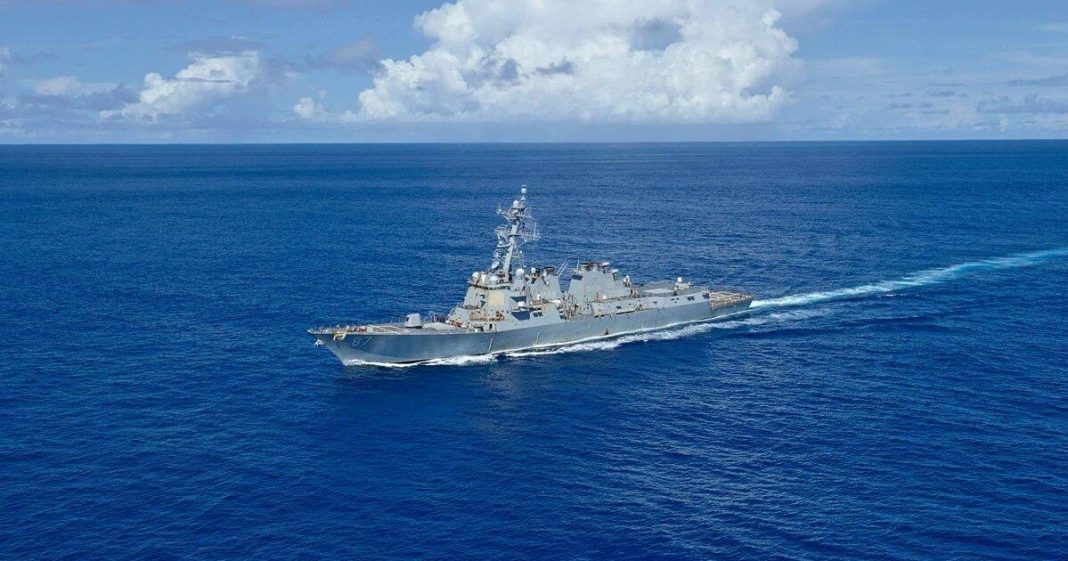
The Strait of Hormuz, a narrow choke point connecting the Persian Gulf to the open ocean, frequently finds itself at the epicenter of geopolitical tensions. Recent reports detailing alleged Iranian attacks on UAE interests and shipping, swiftly followed by a robust U.S. counter-action, underscore the volatile dynamics at play in this critical waterway. This series of events demands a closer look, not just at the immediate actions, but at the intricate web of motivations and potential repercussions.
Escalation in a Vital Waterway
The alleged attacks attributed to Iran — targeting the UAE and commercial vessels navigating the Strait — represent a significant escalation. Such actions, if confirmed, could be interpreted as a clear signal of defiance, possibly in response to perceived external pressures or an attempt to assert regional influence. The methods reportedly used, potentially involving small, agile craft, align with strategies often employed to harass and disrupt. For the global economy, especially the energy sector, any disruption in the Strait of Hormuz is a severe concern, given that a substantial portion of the world’s seaborne oil passes through it daily. These incidents inherently elevate insurance premiums for shipping, introduce delays, and foster an atmosphere of instability that directly impacts supply chains worldwide.
The choice to target commercial shipping and a neighboring state like the UAE could be seen as an attempt to project power and demonstrate the capacity to inflict economic pain. It forces international attention and tests the resolve of powers committed to maintaining free navigation and regional security.
The U.S. Response and Its Implications
In response to the reported Iranian aggression, U.S. forces reportedly engaged and sank seven small Iranian boats. This decisive action signals a clear intent to protect international shipping and deter further assaults. From the U.S. perspective, such a response is likely framed as a necessary measure to uphold freedom of navigation and ensure the safety of vital maritime corridors. It’s a demonstration of capability and resolve, aimed at preventing a slide into unchecked aggression.
However, swift military responses in such a sensitive region always carry inherent risks. While intended to deter, they can also inadvertently fuel a cycle of retaliation, pushing the situation closer to a broader conflict. The immediate impact is a temporary restoration of order, but the underlying tensions remain. Regional security analysts are quick to point out the delicate balance. “When you have such high stakes in a crowded waterway, every action, every response, reverberates,” notes maritime security expert, Dr. Lena Khan. “Maintaining deterrence without triggering a full-blown confrontation is the constant tightrope walk.” The international community watches closely, hoping for de-escalation while recognizing the sovereign rights of nations to protect their interests and allies.
The events in the Strait of Hormuz underscore the fragile balance of power and the ever-present potential for miscalculation in one of the world’s most critical strategic zones. While the U.S. response aimed to re-establish deterrence and safeguard global commerce, the fundamental issues driving regional instability persist. Moving forward, sustained diplomatic efforts, alongside continued vigilance, will be crucial in preventing further escalation and securing this vital maritime artery for the benefit of all nations. The world holds its breath, hoping for a return to calmer waters.

