


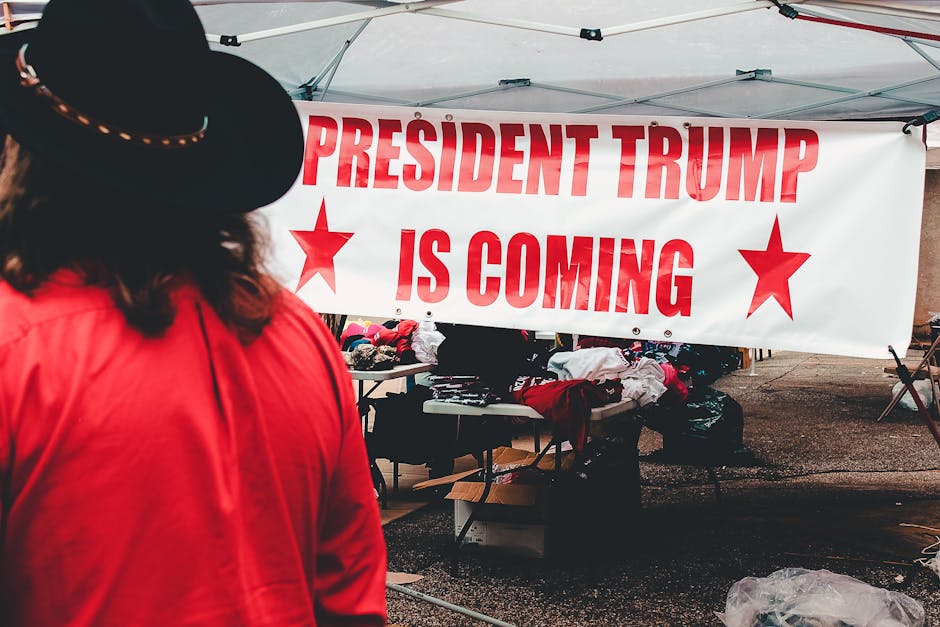
The political currents surrounding any figure in power are perpetually shifting, but for someone as perennially scrutinized as Donald Trump, the tides often seem to churn with particular intensity. While his political resilience has become a hallmark, even the most robust ship can face headwinds from multiple directions. Lately, a confluence of domestic electoral battles and complex international challenges, specifically concerning gerrymandering and the enduring complexities with Iran, appears to be creating a notable period of increased pressure.
The Domestic Chessboard: Gerrymandering’s Unintended Consequences
At home, the ongoing discourse around electoral fairness and the very architecture of representation is casting a long shadow. Gerrymandering, the practice of manipulating district boundaries for political advantage, has long been a contentious issue. While often seen as a tool for consolidating power, its repercussions can be far more intricate than simply guaranteeing seats. For many, it creates a feeling of disenfranchisement, fostering a sense that their vote matters less in the grand scheme. This isn’t just a philosophical concern; it has tangible political implications. When districts are drawn to be hyper-partisan, it can lead to primaries becoming the real battleground, pushing candidates further to the extremes and potentially complicating efforts to appeal to a broader general electorate.
Critics argue that such practices, while sometimes yielding short-term gains, can ultimately erode trust in democratic institutions and create a political environment ripe for challenges. As one veteran political strategist recently observed, “While gerrymandering can secure a significant number of seats, it often does so at the cost of genuine competitive elections, leading to a brittle political structure that struggles to adapt when national sentiment shifts even slightly. It’s a short-term fix that creates long-term fragility for the entire system, not just the opposing party.” This fragility can manifest in unexpected ways, making it harder to govern effectively or build consensus, even within one’s own party.
The International Front: Iran’s Unfolding Saga
Meanwhile, on the global stage, the enduring tensions with Iran present a foreign policy quagmire that shows little sign of resolution. The strategy of “maximum pressure” has certainly kept Iran in a precarious economic position, but it hasn’t necessarily yielded the desired shifts in behavior or brought about stability in the region. Instead, we’ve witnessed a cycle of escalations, retaliations, and a heightened sense of unpredictability.
The challenge for any administration dealing with Iran is immense, balancing regional security concerns with the imperative to avoid outright conflict. The current stance, however, has drawn criticism for its perceived lack of a clear off-ramp and for potentially isolating allies who favor a more diplomatic approach. The continued need for vigilance against Iranian proxies, the threats to shipping, and the broader implications for energy markets all contribute to a complex international picture that constantly demands attention and resources. These are not easily “won” battles; they are prolonged engagements that test diplomatic resolve and strategic foresight, adding another layer to the political pressures faced at home.
Navigating a Turbulent Landscape
From the intricate lines of a voting district to the volatile currents of the Persian Gulf, the challenges converging on Trump’s political standing are multifaceted and deeply interconnected. These aren’t isolated incidents but rather significant threads woven into the larger tapestry of his political narrative. Navigating these turbulent waters will require considerable political dexterity, as the outcomes of these domestic and international pressures could profoundly shape the political landscape. The resilience that has defined his political journey is once again being tested, not by a single adversary, but by the relentless complexities of governance itself.

