


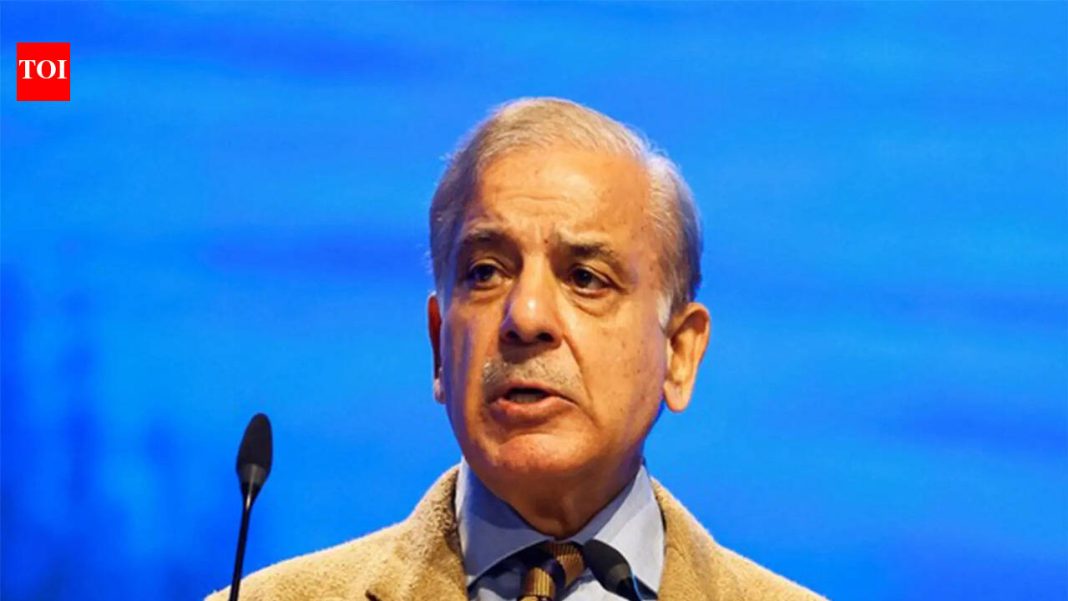
In a landscape marked by shifting geopolitical alliances and persistent regional challenges, Pakistan’s Prime Minister Shehbaz Sharif recently reiterated, “Pakistan remains committed,” following a series of high-level engagements with the United States. This statement, emerging after what has been termed the “second round” of renewed diplomatic efforts, underscores Islamabad’s intent to strengthen ties with Washington amidst its own economic vulnerabilities and regional security imperatives. For India, a steadfast observer, these developments prompt a careful analysis of their implications for regional stability, counter-terrorism efforts, and the broader strategic balance.
Renewed Diplomatic Overtures and Pakistan’s Commitments
The recent engagements between Pakistan and the US signify a discernible uptick in diplomatic activity, following a period often characterized by fluctuating relations. While specific details of the “second round” meetings remain largely behind closed doors, it is understood that discussions encompassed a wide spectrum of issues including economic cooperation, regional security, counter-terrorism, and Afghanistan. Pakistan, currently grappling with a severe economic crisis and striving to secure crucial International Monetary Fund (IMF) bailouts, views US support as vital. Washington, in turn, eyes Islamabad as a necessary partner for stability in a volatile region, particularly concerning Afghanistan and ongoing counter-terrorism efforts.
Prime Minister Sharif’s assertion of Pakistan’s commitment likely pertains to these multifaceted areas. On the economic front, it signals a dedication to structural reforms and fiscal discipline, crucial for attracting foreign investment and stabilizing its economy. In security matters, the commitment is often interpreted as a pledge to continue counter-terrorism cooperation, addressing concerns about extremist groups, and contributing to regional peace. However, from an Indian standpoint, the efficacy and sincerity of these commitments, especially regarding action against cross-border terrorism, remain paramount and subject to close scrutiny.
India’s Watchful Stance on Regional Security
For India, any deepening of US-Pakistan ties is viewed through a prism of its own national security interests and regional stability. Decades of experience have taught New Delhi to remain vigilant about Pakistan’s assurances, particularly concerning its commitment to dismantling terror infrastructure operating from its soil. India has consistently highlighted the presence of UN-designated terrorist organizations within Pakistan and called for verifiable, irreversible action against them. The Financial Action Task Force (FATF) placing Pakistan on its ‘grey list’ for several years further underscored international concerns about its counter-terrorism financing mechanisms.
Therefore, while the US may be keen to engage Pakistan for its strategic value in the region, India’s expectation remains firm: that any US engagement with Pakistan must include a strong emphasis on genuine counter-terrorism action. India understands that a stable, economically viable Pakistan is preferable to a failed state, but not at the cost of its security. The balancing act for the United States involves maintaining its strong strategic partnership with India, a key Indo-Pacific ally, while engaging Pakistan on specific regional issues. The effectiveness of Pakistan’s “commitment” will ultimately be judged by tangible actions on the ground rather than diplomatic rhetoric, especially concerning groups that continue to pose a threat to India.
The Geopolitical Chessboard and Future Prospects
The renewed US-Pakistan engagements also unfold within a broader geopolitical context. China’s growing influence in Pakistan through the China-Pakistan Economic Corridor (CPEC) adds another layer of complexity. The US seeks to counter Chinese assertiveness in the region, and maintaining a degree of influence in Pakistan serves this strategic objective. Furthermore, the situation in Afghanistan, particularly after the Taliban’s takeover, necessitates cooperation from regional players like Pakistan to prevent the resurgence of transnational terror groups.
Prime Minister Sharif’s statement, therefore, can be seen as an effort to reassure Washington of Pakistan’s reliability as a partner, even as Islamabad navigates its multifaceted foreign policy objectives. The coming months will reveal the true extent of these commitments and their impact on Pakistan’s internal policies and external relations. For India, the focus will remain on whether these diplomatic overtures translate into concrete steps by Pakistan to address long-standing security concerns, particularly those related to terrorism. The test of commitment, as always, lies in consistent and verifiable action rather than mere declarations.
In conclusion, while Pakistan’s leadership reiterates its commitment to the US, the intricate web of regional security, economic stability, and counter-terrorism measures means that India will continue to monitor these developments with discerning eyes. The efficacy of these renewed ties will be measured not just in diplomatic warmth, but in their tangible contribution to a more secure and stable South Asia.

