


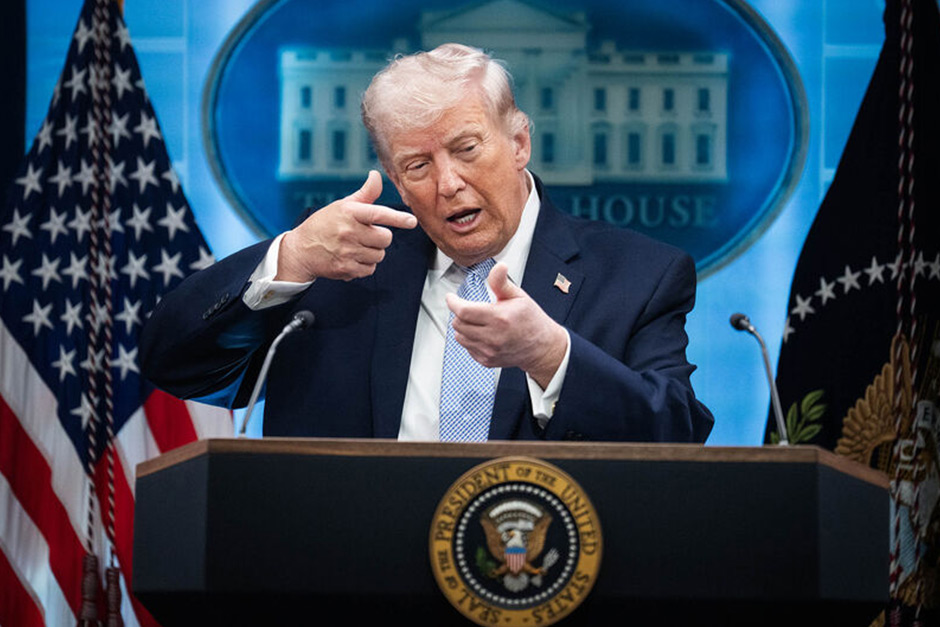
The diplomatic chessboard just got a lot more… volatile. In a move that has sent ripples across international relations, former President Trump issued a stark ultimatum to Iran: agree to a peace deal, or face consequences described chillingly as “much higher level” bombing. This isn’t just a tough stance; it’s a direct, unfiltered challenge that strips away layers of traditional diplomatic nuance, replacing them with a stark choice between the negotiating table and an unprecedented escalation of force. The implications are enormous, not just for the Middle East, but for the very future of how global power dynamics are navigated.
The High-Stakes Ultimatum: Peace or Unfathomable Escalation
This “deal or bomb” dichotomy is a quintessential example of coercive diplomacy, amplified to an almost unparalleled degree. When a leader warns of “much higher level” bombing, it suggests a strategic shift beyond targeted strikes or limited punitive measures. It implies a readiness to inflict widespread damage, fundamentally altering Iran’s capabilities and infrastructure. The underlying message is clear: the cost of non-compliance will be catastrophic, designed to force a capitulation rather than facilitate a traditional negotiation.
What kind of “peace deal” is envisioned in this scenario? It’s unlikely to be one born of mutual compromise. Instead, it seems to demand Iran’s acceptance of terms largely dictated by external powers, likely addressing its nuclear program, regional influence, and missile development. The very act of presenting such an ultimatum redefines the boundaries of international pressure, raising questions about the efficacy and ethics of leveraging such a severe threat to achieve political aims. Is this a shrewd, albeit brutal, path to stability, or a dangerous gamble that could backfire spectacularly?
Regional Ripples and Global Redefinitions
The immediate consequence of such a warning is, of course, a surge in tension across the Middle East. Iran’s internal dynamics will be tested: will hardliners double down on resistance, or will pragmatists push for de-escalation? The choices made in Tehran will reverberate through every proxy conflict and alliance in the region, from Iraq to Yemen, Lebanon to the Gulf states. Allies like Israel and Saudi Arabia would view this with a mix of apprehension and potentially, support, while adversaries would likely prepare for a dramatic reshaping of the regional power balance.
Beyond the immediate geographical impact, this approach sends a potent message to the wider world. It suggests a willingness to bypass traditional diplomatic frameworks and international norms in favor of raw displays of power. As Dr. Anya Sharma, a political analyst, recently observed, “This isn’t just about Iran; it’s a stark redefinition of the boundaries of international pressure. The world watches not just for the outcome, but for the playbook being written.” The precedent set could influence how other nations perceive their own vulnerabilities and diplomatic strategies in the face of overwhelming force. It challenges the very idea of multilateralism, pushing towards a more unilateral and confrontational model of foreign policy.
Navigating the Precipice of Peace
Ultimately, the choice facing Iran is unenviable, fraught with immense consequences regardless of the path taken. To agree to a peace deal under such duress could be seen internally as a capitulation, yet defiance risks a devastating conflict. For the world, this moment represents a dangerous tightrope walk. The pursuit of peace is paramount, but the means by which it is pursued can determine its durability and legitimacy. Will this ultimatum lead to a genuine, albeit enforced, peace, or will it sow the seeds of deeper resentment and future conflict?
The coming period will undoubtedly be defined by intense speculation, nervous anticipation, and strategic maneuvering. What remains clear is that the landscape of international diplomacy has been dramatically altered, presenting both immense risks and the potential for a profoundly different future for a volatile region.

