


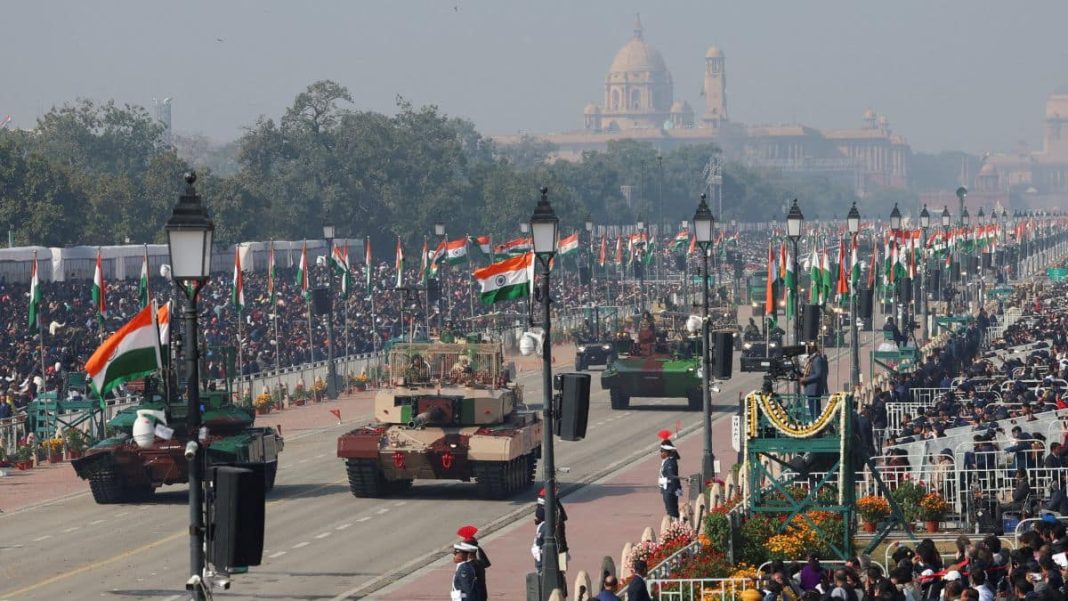
As the nation marks the anniversary of ‘Operation Sindoor’, a strategically significant military operation that captured headlines for its decisive execution and demonstration of operational prowess, a pertinent question echoes through India’s defence corridors: Did the success on the battlefield directly fuel the nation’s remarkable Rs 24,000-crore defence export boom? India, once a dominant importer of defence hardware, has emerged as a formidable exporter, registering an astonishing 23-fold increase in exports over the last decade. This transformation is a testament to a multifaceted strategy, but the role of proven battlefield performance in building international confidence remains a critical aspect to explore.
Operation Sindoor: A Catalyst or a Confidence Builder?
The success of ‘Operation Sindoor’, though specific details remain classified, undoubtedly sent a strong message about India’s operational readiness and the efficacy of its indigenously developed defence platforms. In an increasingly volatile global security landscape, military successes serve as powerful testimonials. When a nation’s forces achieve strategic objectives using its own equipment, it naturally enhances the credibility and marketability of those systems on the international stage.
However, attributing the entire export surge solely to a single operational triumph might be an oversimplification. While ‘Operation Sindoor’ showcased India’s defence capabilities under real-world conditions, its contribution is likely more indirect – bolstering confidence, demonstrating reliability, and validating the performance of Indian-made arms. Potential buyers often look for proven track records, and successful deployments can significantly influence procurement decisions. It creates a narrative of robust, combat-ready equipment, which is invaluable for a budding defence exporter.
Decades of Indigenous Push: The Foundation for Exports
The foundations for India’s current defence export success were laid much earlier, through decades of sustained efforts towards self-reliance. Initiatives like ‘Make in India’ in defence, coupled with significant investments in research and development by organisations such as the Defence Research and Development Organisation (DRDO) and various public sector undertakings (PSUs), have created a robust manufacturing ecosystem. The government’s proactive policies, including the liberalisation of foreign direct investment (FDI) in defence and the establishment of defence industrial corridors, have further spurred innovation and production capabilities within the private sector.
The export boom is a cumulative result of this long-term vision. Products ranging from the Prahari surveillance system and Dornier 228 maritime patrol aircraft to the Akash missile system and Pinaka multi-barrel rocket launchers are now finding markets globally. Components for major platforms like the LCA Tejas fighter jet are also being supplied internationally. These are products refined over years, benefitting from extensive testing and upgrades, rather than emerging solely from a single operational success. The focus has been on developing cost-effective, high-quality solutions tailored to the needs of friendly nations, particularly in Southeast Asia, Africa, and the Middle East.
Dr. Aarti Sharma, a senior defence analyst at the Delhi-based Centre for Strategic Studies, observes, “While a visible operational success like ‘Operation Sindoor’ can certainly provide a psychological boost and a powerful marketing narrative, India’s defence export growth is fundamentally driven by its persistent commitment to indigenous development, quality manufacturing, and strategic diplomacy. It’s a testament to our long-term vision for strategic autonomy, not just a reaction to a single event.”
From Buyer to Seller: India’s Evolving Global Stance
India’s journey from being one of the world’s largest arms importers to a significant exporter marks a pivotal shift in its global strategic posture. This transformation is not merely economic but also diplomatic. By providing defence equipment to partner nations, India strengthens bilateral ties, enhances regional security cooperation, and projects itself as a responsible global player capable of contributing to international peace and stability.
The Rs 24,000-crore figure reflects not just the sale of hardware but also the export of services, maintenance, and training. It underscores a growing trust in India’s technological prowess and manufacturing reliability. While ‘Operation Sindoor’ undeniably highlighted India’s enhanced operational capabilities, the enduring success of the defence export sector is rooted in a much broader strategy encompassing consistent policy support, technological advancements, a growing private sector role, and a clear vision for strategic autonomy on the global stage.
In conclusion, while the anniversary of ‘Operation Sindoor’ serves as a timely reminder of India’s evolving military strength, the nation’s impressive defence export boom is a complex phenomenon. It is powered by a confluence of sustained indigenous development, strategic government policies, and a concerted push towards becoming a reliable global defence partner, with battlefield successes like ‘Operation Sindoor’ acting as powerful, albeit one of many, confidence multipliers.

