


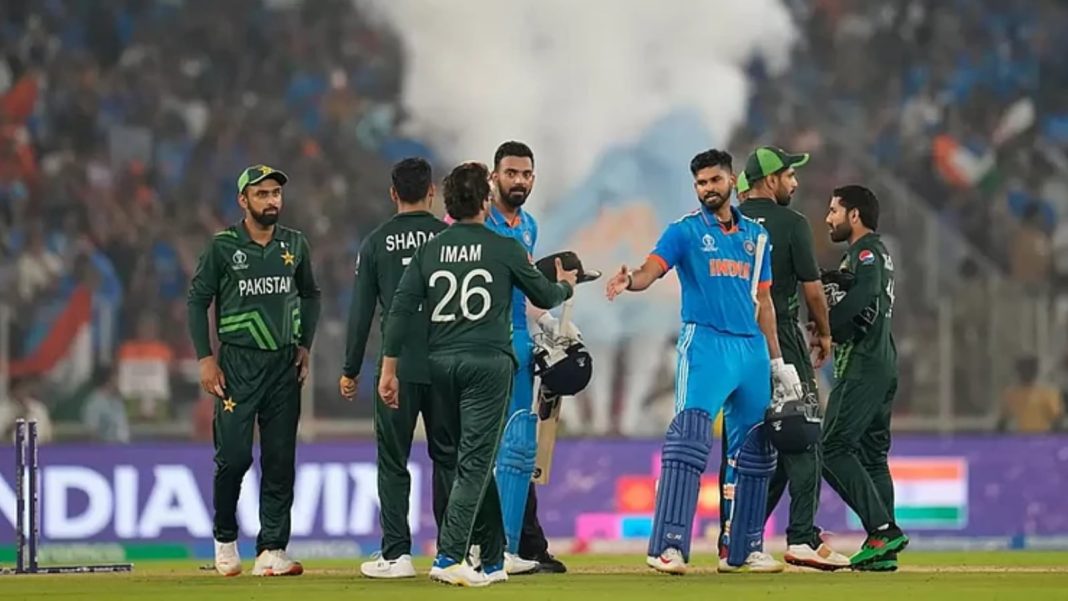
In a significant articulation of its sporting foreign policy, the Indian government has formalized a clear and nuanced stance regarding athletic engagement with neighboring Pakistan. This new framework effectively draws a line between bilateral encounters and multilateral international events, reflecting India’s broader diplomatic and security concerns. The policy, while rooted in existing practices, now provides an explicit directive: no bilateral sporting ties with Pakistan will be entertained, even as India remains committed to hosting global sporting events that may include Pakistani participation.
India’s Firm Stance on Bilateral Sporting Ties
For decades, sporting events, particularly cricket, have often been held hostage to the volatile political relationship between India and Pakistan. Periods of tension have consistently led to the suspension of bilateral series, much to the dismay of fans on both sides of the border. The newly formalized policy, however, leaves no room for ambiguity. It unequivocally states that India will not engage in any bilateral sporting contests – be it cricket, hockey, or any other sport – with Pakistan. This decision is deeply rooted in India’s concerns over cross-border terrorism and the prevailing geopolitical climate.
The government’s position underscores the principle that normal sporting relations cannot thrive in an environment where diplomatic ties are strained due to security threats. This directive is not a sudden shift but rather an official codification of a long-standing practice that has seen numerous planned bilateral series cancelled or postponed. It signals a clear message that until there is a significant improvement in the political and security landscape, and a cessation of state-sponsored terrorism, sporting diplomacy will not be used as a means to normalize relations.
This approach prioritizes national security and sovereign concerns over the emotional appeal of sporting rivalries. Indian sporting federations and organizations are now bound by this directive, ensuring a unified and consistent national policy on this sensitive matter. The implications are far-reaching, especially for sports like cricket, where India-Pakistan matches are some of the most watched and commercially lucrative fixtures globally. Fans, while perhaps disappointed by the absence of these direct contests, generally understand the underlying reasons driven by the nation’s security imperatives.
Open Doors for Global Events on Indian Soil
While the door is firmly shut on bilateral engagements, India’s new sports policy distinctly separates this from its commitment to international sporting federations and its ambition to be a global sporting hub. The policy explicitly states that India will continue to host major global and multilateral sporting events, even if these tournaments involve the participation of Pakistani athletes or teams. This pragmatic approach highlights India’s dedication to its international sporting obligations and its desire to promote sports on a global platform.
This means that events organized under the aegis of the International Cricket Council (ICC), the Olympic Council of Asia, or various other global sporting bodies will proceed as planned on Indian soil, irrespective of Pakistan’s participation. India has a robust track record of successfully hosting major international tournaments, demonstrating its capabilities in infrastructure, organization, and security. The government assures that all participating nations, including Pakistan, will be provided with the necessary security and logistical support required for their smooth participation, in line with international protocols.
A senior official from the Ministry of Youth Affairs and Sports, speaking on the condition of anonymity, emphasized the distinction: “Our commitment to upholding international sporting standards and obligations remains unwavering. While bilateral ties are dictated by our national security concerns, multilateral events are governed by the rules of global federations. India is a proud sporting nation, and we will continue to welcome athletes from all countries, including Pakistan, to participate in global tournaments hosted here, ensuring their safety and a fair playing field.” This statement encapsulates the government’s dual approach – firm on bilateral issues, yet accommodating on multilateral platforms.
This strategy allows India to maintain its standing in the international sporting community, bid for prestigious events like the Olympics or major World Cups, and showcase its growing soft power through sports, without compromising its core national security principles. It’s a testament to India’s maturing foreign policy, capable of navigating complex geopolitical landscapes with strategic clarity.
Conclusion: A Clear Path Forward
The Indian government’s newly articulated sports policy regarding Pakistan represents a clear, consistent, and strategically informed approach. By drawing a distinct line between bilateral and multilateral sporting engagements, India reaffirms its commitment to national security while simultaneously asserting its role as a responsible and capable host on the global sporting stage. This framework ensures that while political tensions will continue to dictate direct sporting encounters, India’s doors remain open for the universal spirit of sport to flourish within international tournaments hosted on its vibrant soil. It’s a policy designed to safeguard national interests without sacrificing India’s growing influence in the world of sports.

